




The Protein Promise
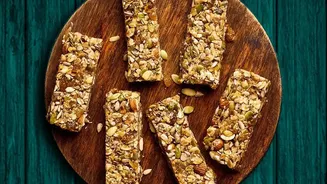
When it comes to protein, the numbers vary significantly. A typical serving of nuts like almonds delivers a substantial amount of protein, around 21 grams per 100g, making them a powerhouse for muscle repair and satiety. Many protein bars are designed
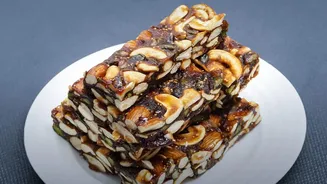
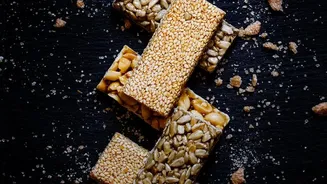
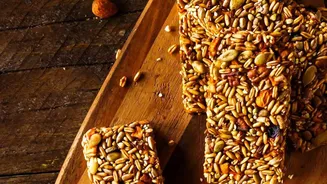
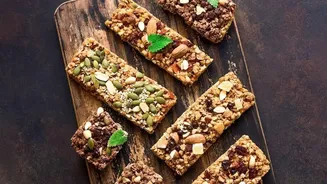
to match or exceed this, often containing 20 grams or more per serving, frequently from sources like whey or soy protein. Makhana (fox nuts), while a healthy option, is more modest in its protein content, offering about 9-15 grams per 100g. While nuts and bars lead in sheer quantity, the quality of protein in makhana is noteworthy, with a high essential amino acid profile. For a quick post-workout recovery, a protein bar or a handful of almonds might be more effective, but for general snacking, makhana provides a respectable protein boost.
The Calorie Question
Here, the differences are stark. Nuts are calorie-dense due to their high content of healthy fats. Almonds, for instance, contain around 579 calories per 100g. While these fats are beneficial, portion control is key. Protein bars can also be high in calories, often ranging from 200-400 calories per bar, depending on the ingredients. Makhana is the clear winner for low-calorie snacking. At approximately 347 calories per 100g, you can eat a much larger, more satisfying volume of makhana for the same calorie cost as a small handful of nuts. This makes makhana an excellent choice for those managing their weight or who enjoy more voluminous snacks.
The Sugar and Additives Trap
This is where the line between healthy and unhealthy becomes blurred, especially with protein bars. Many commercial bars are packed with hidden sugars, syrups, and artificial sweeteners like maltitol to improve taste. A recent audit of protein bars in India found that very few were genuinely sugar-free, with many using misleading labels. Nuts and makhana, in their natural, unflavoured state, contain no added sugars or artificial ingredients. They are whole foods, which is their biggest advantage. When you choose plain roasted makhana or raw nuts, you know exactly what you are getting. Flavoured varieties of both can contain added sugars and high levels of sodium, so it's always crucial to read the label.
Fibre and Healthy Fats
Fibre is essential for digestive health and feeling full. Makhana is a fibre champion, with about 14.5g per 100g, which aids in stable energy release and satiety. Nuts are also a good source of fibre and are rich in heart-healthy monounsaturated and polyunsaturated fats. These fats are crucial for overall health but contribute to the high calorie count of nuts. Protein bars can be a mixed bag; some are fortified with fibre, while others contain very little. Their fat content often comes from processed oils rather than the beneficial fats found naturally in nuts.
Convenience and Cost-Effectiveness
All three options are convenient, portable snacks. Protein bars are arguably the easiest to consume on the go, requiring no portioning. However, they are often the most expensive option on a per-serving basis. Nuts are also easy to carry but can be easy to overeat. Makhana is lightweight and offers a large serving size for its weight, which can make it feel more substantial. In terms of cost, plain makhana and nuts like peanuts can be more budget-friendly than heavily marketed protein bars and premium nuts like almonds or walnuts.