




Beyond the Eco-Friendly Purchase
For years, sustainable decorating has focused on the point of purchase: choosing furniture made from reclaimed wood, buying organic cotton textiles, and opting for non-toxic paints. While these are crucial steps, a deeper, more thoughtful trend is emerging.
It argues that true sustainability isn't a one-time transaction but an ongoing relationship with the items in our homes. This philosophy shifts the focus from simply acquiring eco-friendly things to actively preserving them for the long haul. It’s a direct response to the culture of “fast furniture”—cheaply made pieces not designed to last. Instead of asking only “What is it made of?” the new question is “How can I make it last a lifetime?” This integrated approach involves understanding how to clean items properly, control their environment, and ensure they can be repaired rather than replaced.
The Dust and Cleaning Connection
It may sound mundane, but how you clean your furniture—and how easy it is to clean—is a cornerstone of this new sustainable mindset. Regular dusting and cleaning do more than keep up appearances; they are acts of preservation. Dust and grime, if left to accumulate, can cause micro-scratches on surfaces and degrade fabrics over time. This trend encourages us to consider maintenance at the buying stage. Is a sofa upholstered in a material that can be easily vacuumed or wiped down? Does a bookshelf have an overly intricate design that will become a permanent dust trap? Choosing items with easy-to-clean surfaces or those made of materials like leather that can be wiped are practical sustainable choices. This isn't about avoiding cleaning, but about making conscious choices that make proper care easier, thereby extending the life of our possessions and improving indoor air quality.
Why Humidity and Environment Matter
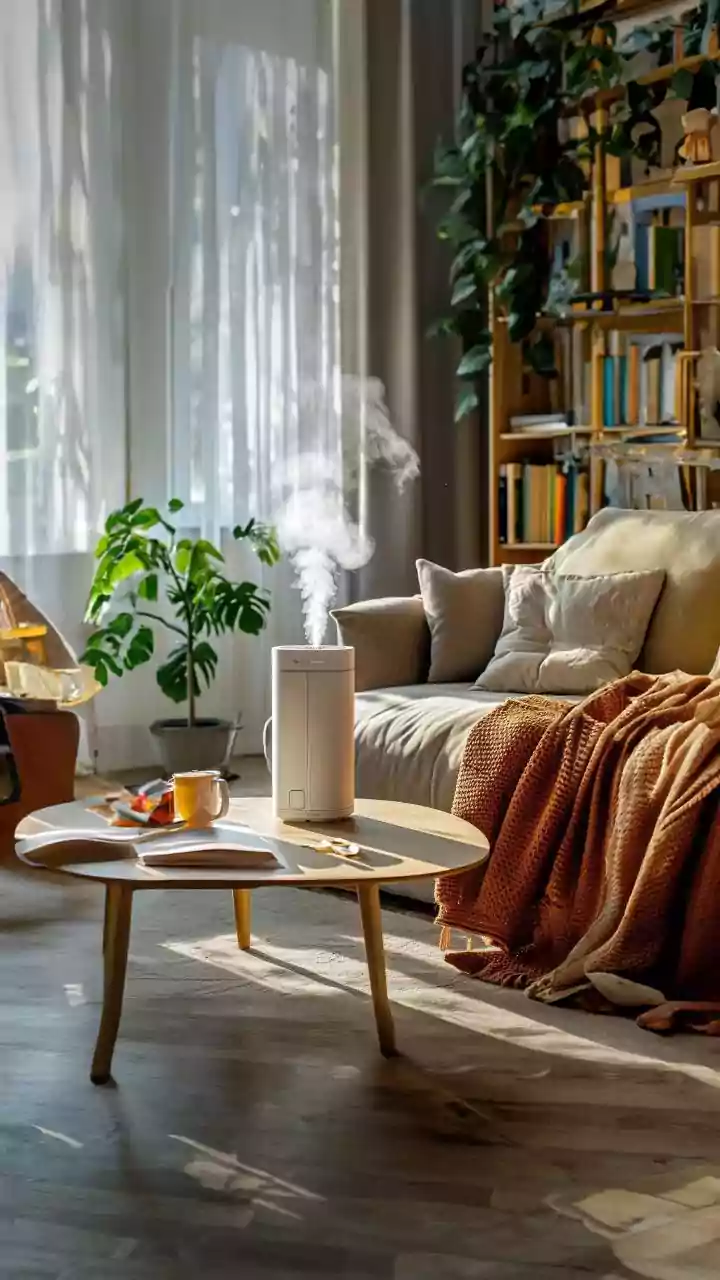
You can buy the most beautifully crafted, sustainably sourced solid wood table, but if your home environment works against it, its lifespan will be cut short. This is where humidity care enters the checklist. Wood, being a natural material, is hygroscopic, meaning it absorbs and releases moisture from the air. Too much humidity can cause it to swell and warp, while too little can make it shrink and crack. The ideal indoor humidity level for wood furniture is generally between 35% and 50%. Keeping an eye on your home's humidity with a simple tool called a hygrometer and using humidifiers in dry winters or dehumidifiers in damp summers can prevent irreversible damage. This principle extends beyond wood; high humidity can cause rust on metal furniture and damage leather. Controlling your home's environment is a proactive form of sustainable care.
The Rise of Repairability
The final, and perhaps most critical, element of this trend is repairability. The “right to repair” movement is expanding from electronics to home goods. A truly sustainable item is one that can be fixed. This means favouring solid wood, which can be sanded and refinished, over particle board that chips and swells. It means choosing furniture with visible, standard joinery like dovetail joints over glued-together pieces. When shopping, we should ask: Can these chair cushions be re-stuffed and reupholstered? Can this table leg be re-attached? Can this lamp be rewired? Many items are designed to be thrown away at the first sign of failure. This trend champions a return to quality craftsmanship and transparent construction, where an item's components are accessible and replaceable, ensuring it can serve a family for generations, not just a few seasons.
Your Sustainable Care Checklist
Adopting this holistic approach is easier than it sounds. It’s about building new habits and asking better questions. Here’s a simple checklist to guide you: 1. At the Point of Purchase: Ask about the materials and their care instructions. Prioritise durable, natural materials. Ask, “How can this be repaired?” Look for modular designs or items with available replacement parts. 2. Ease of Cleaning: When you bring an item home, establish a simple, regular cleaning routine. For upholstery, vacuum regularly. For wood, dust with a soft cloth. Avoid harsh, abrasive chemicals that can damage finishes over the long term. 3. Environmental Control: Invest in a small, inexpensive hygrometer to monitor your home’s humidity. Position delicate furniture away from direct sunlight and heat sources like radiators, which can cause fading and damage. 4. Embrace Repair: When something breaks, your first thought should be “Can this be fixed?” before “Where can I buy a new one?” Learn basic repair skills or identify local artisans who can help you reupholster, refinish, and restore your beloved pieces.