








The Promise vs. The Plan
Let's define our terms. A 'crash diet' is any eating plan that promises dramatic weight loss in a short time through severe calorie restriction. Think juice cleanses, single-food diets, or any regimen that cuts your intake to dangerously low levels. They
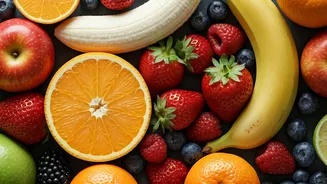
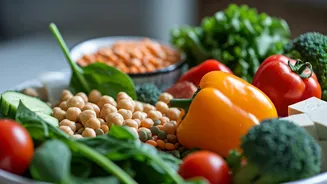
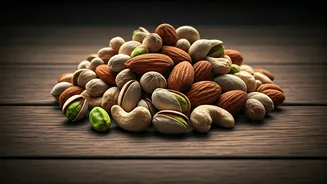
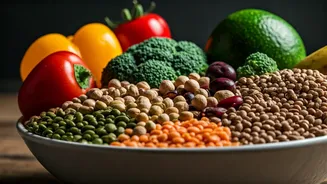
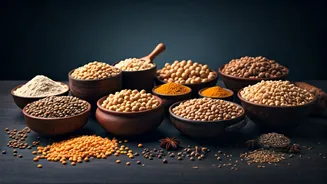
operate on a principle of short-term deprivation. In contrast, a 'balanced vegetarian diet' isn't a temporary fix; it's a long-term lifestyle. It focuses on whole foods like fruits, vegetables, legumes, whole grains, nuts, and seeds. The key word here is 'balanced'. This approach isn't about restriction but about building meals that are rich in fibre, vitamins, minerals, and plant-based protein, ensuring your body gets the fuel it needs to thrive.
Sustainability: A Sprint vs. a Marathon
The biggest failing of any crash diet is its lack of sustainability. The extreme hunger, low energy, and social isolation that come with severe restriction are simply not liveable long-term. Your body and mind will eventually rebel, often leading to binge eating and a rapid regain of any weight lost. This is the classic 'yo-yo' effect, which can be more damaging to your metabolism over time than staying at a stable weight. A balanced vegetarian diet, however, is designed for the long haul. Because it includes a wide variety of satisfying and delicious foods, it doesn't feel like a punishment. It's an enjoyable way of eating that you can adapt to social situations, holidays, and daily life. The goal is not a quick result but a lasting change in your relationship with food and your overall health.
Nutrition: Starvation vs. Nourishment
Crash diets are nutritional nightmares. By drastically cutting calories or eliminating entire food groups, you inevitably miss out on essential nutrients. This can lead to hair loss, fatigue, a weakened immune system, and loss of muscle mass. Your body, sensing a famine, starts to break down muscle tissue for energy, not just fat. This is counterproductive, as muscle is metabolically active and helps burn calories. A well-planned vegetarian diet is the polar opposite. It’s typically higher in fibre, which aids digestion and promotes feelings of fullness. It is also rich in vitamins, minerals, and powerful antioxidants found in plant foods. Studies consistently link balanced vegetarian eating patterns with lower risks of heart disease, type 2 diabetes, and certain types of cancer. You're not just losing weight; you're actively building a healthier body from the inside out.
Your Metabolism: Sabotage vs. Support
When you drastically slash calories, your body's survival instincts kick in. Your metabolism slows down to conserve energy because it thinks you're starving. This means you burn fewer calories at rest. When you eventually stop the crash diet and return to normal eating, your slower metabolism can't keep up, leading to swift weight regain, often with more fat and less muscle than before. It’s a biological trap. A balanced diet supports a healthy metabolism. Providing your body with a steady supply of energy and nutrients from whole foods keeps your metabolic engine running smoothly. The high fibre and protein content in many vegetarian staples, like lentils and beans, also require more energy to digest, giving your metabolism a gentle, consistent boost.
Making the Switch Smartly
Transitioning to a vegetarian diet doesn't have to be an overnight overhaul. Start with 'Meatless Mondays' or by swapping one animal-based meal a day for a plant-based one. Focus on adding, not just subtracting. Instead of thinking 'I can't have chicken,' think 'I get to try a delicious chana masala or a hearty lentil soup.' Ensure you're getting key nutrients like iron (from lentils, spinach), calcium (from fortified plant milks, tofu), and protein (from beans, quinoa, nuts). For vitamin B12, which is primarily found in animal products, a supplement or fortified foods are essential for long-term health.