






What Exactly is FD Laddering?
Imagine you have a lump sum to invest, say ₹5 lakh. Instead of putting it all into a single five-year Fixed Deposit (FD), the laddering strategy involves splitting that amount into multiple smaller FDs with different maturity dates. For instance, you could
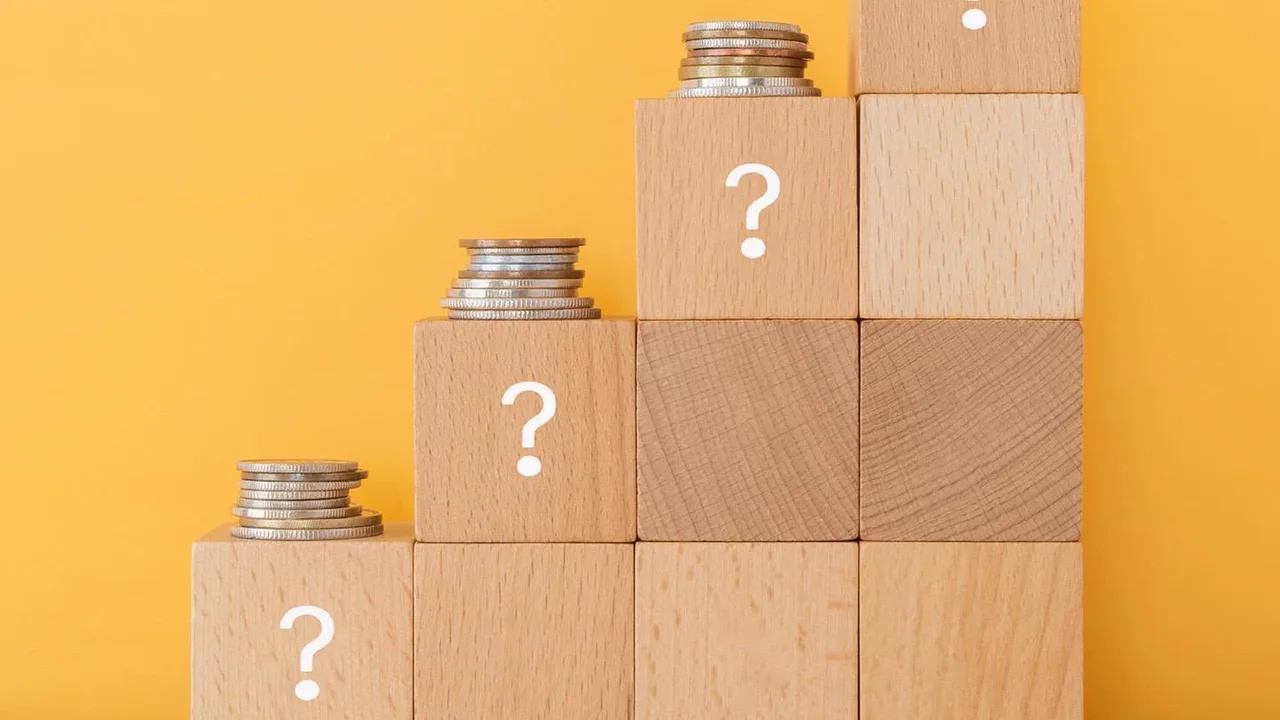
create five FDs of ₹1 lakh each, with tenures of one, two, three, four, and five years respectively. This technique of staggering your investments across various maturity periods is called FD laddering. The core idea is to create a 'ladder' of investments, where each FD represents a rung that matures at a different time, giving you a predictable and periodic flow of funds.
Unlocking Liquidity and Cash Flow
The primary advantage of this approach is enhanced liquidity. Once your ladder is set up, you have an FD maturing every single year. After the first year, your one-year FD matures. You can choose to use this cash for any expense or reinvest it. The following year, the two-year FD matures, and so on. This structure ensures you are never too far away from accessing a portion of your capital without having to break an FD prematurely and incur a penalty. It provides a consistent, predictable cash flow, which is especially useful for retirees needing regular income or anyone planning for recurring annual expenses.
A Smart Way to Manage Interest Rate Risk
Interest rates are not static; they rise and fall based on economic conditions. If you lock all your money in a single long-term FD and interest rates go up, you miss out on earning higher returns. Conversely, if rates fall, you might be hesitant to invest. FD laddering helps you navigate this uncertainty. Since a part of your portfolio matures every year, you get the opportunity to reinvest that sum at the prevailing interest rates. If rates have gone up, you benefit by locking in a higher return. If rates have fallen, only a portion of your total investment is affected, as your other, longer-term FDs are still earning at the older, higher rates. This helps in averaging out your returns over time.
How to Build Your Own FD Ladder
Creating an FD ladder is straightforward. First, determine the total amount you wish to invest and your investment horizon. Second, divide this amount into several equal parts, typically between three to five, to create the 'rungs' of your ladder. Third, invest each part into an FD with a different tenure. For a five-rung ladder, you would invest in FDs with one, two, three, four, and five-year tenures. As each FD matures, you can reinvest the principal and interest into a new five-year FD. After a few years, you will have a rolling ladder where a five-year FD matures every year, consistently giving you access to funds while your money works for you at longer-term rates.
Important Considerations for Indian Investors
While FD laddering offers stability and liquidity, it's essential to be aware of a few key points. Firstly, the returns might be lower compared to market-linked investments like equities. Secondly, the interest earned on FDs is fully taxable in India. It is added to your 'Income from Other Sources' and taxed according to your income tax slab. If your total interest income from all FDs in a bank exceeds ₹40,000 in a financial year (₹50,000 for senior citizens), the bank will deduct Tax at Source (TDS). Also, consider the impact of inflation, which can erode the purchasing power of your returns over time.