



Beyond Grams: What is Protein Quality?
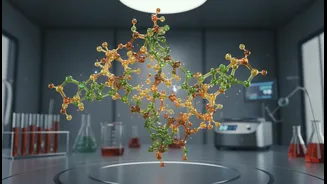
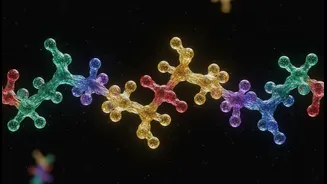
We often hear about the grams of protein in food, but the story doesn't end there. The quality of that protein is just as important. Think of protein as a necklace made of beads called amino acids. Our bodies need 20 different amino acids, nine of which
are 'essential' because we can't make them ourselves and must get them from food. Protein quality depends on two things: having all nine essential amino acids in the right proportions, and how easily our bodies can digest the protein to absorb those amino acids. Not all protein sources are created equal in this regard. This is where a digestibility score becomes a crucial guide.
The Alphabet Soup of Protein Scores
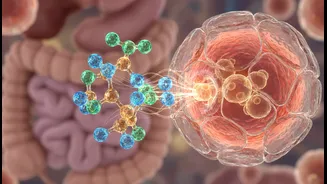
To measure protein quality, scientists use specific rating systems. The most well-known is the Protein Digestibility Corrected Amino Acid Score (PDCAAS). It assesses a protein based on its amino acid profile and our ability to digest it, giving a score from 0 to 1. A more recent and accurate method is the Digestible Indispensable Amino Acid Score (DIAAS), recommended by the Food and Agriculture Organization (FAO) in 2013. Unlike PDCAAS which measures digestibility at the end of the digestive tract, DIAAS measures the absorption of each individual amino acid in the small intestine, where most nutrient absorption happens. This provides a more precise picture of a protein's value to our bodies.
The Plant-Based Protein Puzzle
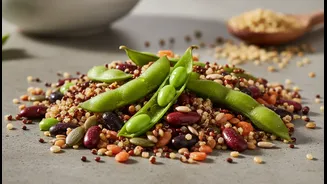
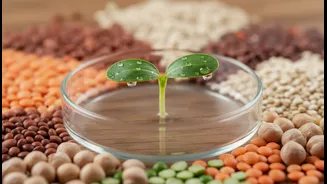
Plant-based proteins are fantastic, but they can present a nutritional puzzle. Many individual plant sources are considered 'incomplete', meaning they are low in one or more of the nine essential amino acids. For example, lentils (dal) are often low in the amino acid methionine, while grains like rice are low in lysine. Furthermore, plant foods contain fibre and compounds sometimes called 'anti-nutrients' that can slightly reduce the body's ability to absorb the protein. This is why simply swapping meat for a single vegetable or grain might not provide the same quality of protein, even if the total grams seem sufficient.
Unlocking Synergy with Smart Pairings
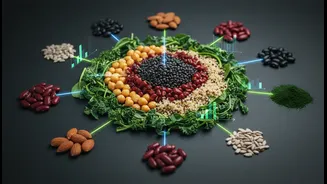
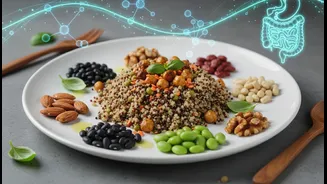
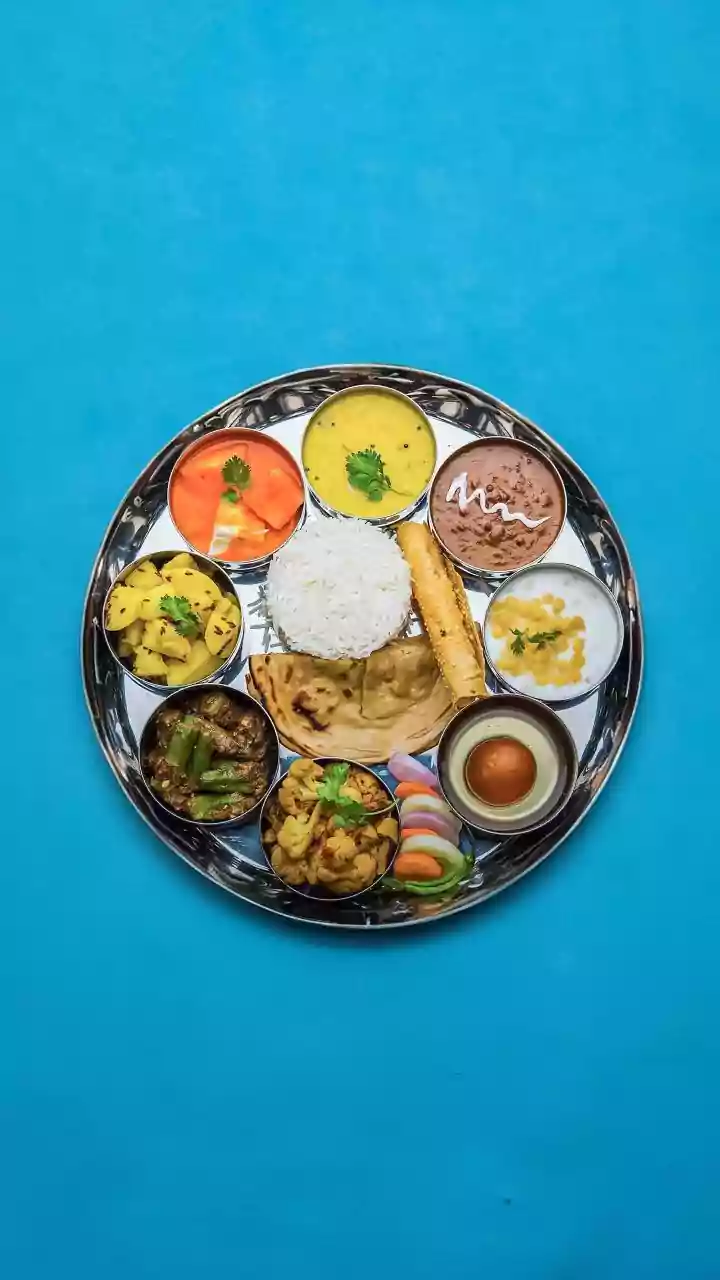
This is where traditional Indian food wisdom shines and where digestibility scores can guide modern menu creation. The concept of 'protein complementation' is the solution to the puzzle. By combining different plant foods, you can create a meal that provides all essential amino acids, forming a 'complete' protein. The classic Indian meal of dal and rice is a perfect example. The lysine from the dal complements the methionine from the rice, creating a high-quality protein profile. The same principle applies to rajma-chawal, roti with dal, or idli with sambar. When creating a menu, think in these pairs. A dish featuring chickpeas can be served with whole wheat bread or quinoa. A peanut chutney served with a dosa enhances the overall protein quality. By knowing which amino acids are limited in one ingredient, you can pair it with another that is rich in them.
From Index to a Delicious, Balanced Menu
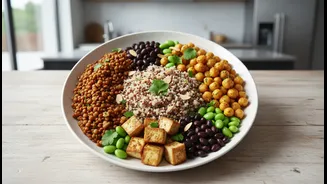
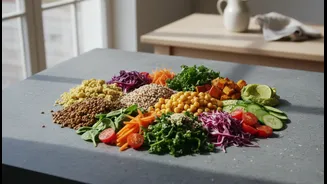
Using this knowledge, chefs and home cooks can move beyond just offering meat-free options to crafting truly nourishing plant-forward menus. Focus on diversity. Instead of relying on a single protein source, build dishes that incorporate a mix of legumes, grains, nuts, and seeds. Soya, including tofu and tempeh, is one of the few plant sources that is a complete protein on its own and has a high digestibility score, similar to animal proteins. Menu items like a mixed bean and vegetable curry, a tofu bhurji with multigrain roti, or a salad with quinoa, chickpeas, and pumpkin seeds ensure a robust amino acid profile. Sprouting lentils or beans can also improve their digestibility. The goal is to ensure that every meat-free dish is not just a substitute, but a thoughtfully constructed, delicious, and nutritionally complete meal.