





A Humble Meal's New Dawn
In a world of expensive superfoods and complicated wellness fads, a quiet revolution is taking place in Indian kitchens. The hero of this story isn't a newly discovered Amazonian berry, but a dish many of our grandparents would find deeply familiar: fermented
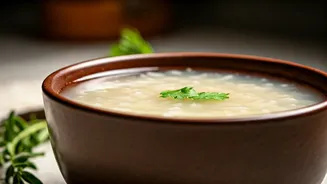
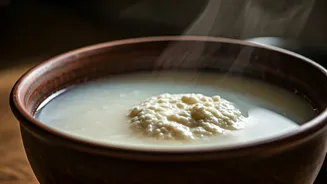
rice water soup. Known by various regional names like Pazhamkanji in Kerala, Panta Bhat in Bengal and Odisha, or Kambu Koozh in Tamil Nadu, this simple, rustic meal is shedding its 'poor man’s food' label and being embraced by a new generation of health-conscious urbanites. It’s a comeback story rooted in science, culture, and a collective desire to return to simpler, wiser ways of eating.
What Exactly Are These Soups?
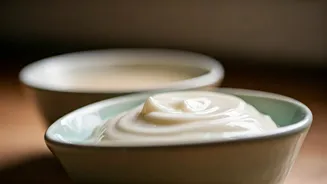
At its core, the dish is startlingly simple. It begins with leftover cooked rice, which is submerged in water (often in a traditional clay pot) and left to ferment overnight at room temperature. The next morning, this slightly tangy, fermented liquid and softened rice form the base of the meal. This is then typically mixed with fresh curd or buttermilk, seasoned with salt, and accompanied by simple sides like raw onions, green chillies, pickles, or a piece of fried fish. The result is a cooling, comforting, and soupy concoction that is both a drink and a meal, perfectly designed for India's hot climate.
From Farmer's Fuel to Wellness Trend
For centuries, this dish was the go-to breakfast for farmers, labourers, and rural communities. Its purpose was purely functional: to provide hydration, sustained energy for a day of hard work, and to make use of leftovers in an age before refrigeration. The fermentation process not only preserved the rice but also made its nutrients more bioavailable. It was considered a source of strength, not a delicacy. Today, that very functionality is what makes it so appealing. As we learn more about the critical role of gut health in our overall well-being, the traditional wisdom embedded in a simple bowl of fermented rice water suddenly seems incredibly advanced.
The Science of Simplicity
The magic of this dish lies in fermentation. The overnight soak allows beneficial bacteria to proliferate, turning the simple rice water into a potent, natural probiotic. Probiotics are live microorganisms that are crucial for maintaining a healthy gut microbiome, which is linked to everything from digestion and immunity to mental health. Nutritionists point out that the fermentation process also increases the levels of B-complex vitamins, especially Vitamin B12, which is often lacking in vegetarian diets. Furthermore, the combination of fermented rice and curd makes it a powerhouse of gut-friendly bacteria. Its high water content helps in hydration, and it's renowned for its body-cooling properties, making it an ideal summer meal.
Why The Sudden Revival?
Several factors are driving this comeback. The post-pandemic era has seen a heightened awareness around immunity and gut health, leading many to seek natural, food-based solutions. Simultaneously, there's a growing global trend celebrating fermented foods like kimchi, kombucha, and kefir, which has opened people’s minds to the benefits of our own indigenous fermented dishes. Social media has played a huge role, with food bloggers and wellness influencers championing the dish, sharing beautiful pictures and modern recipes. This revival is also part of a larger cultural movement of rediscovering and taking pride in traditional Indian food systems, which are often inherently sustainable and incredibly healthy.