






The Theatre of the Mind
Before a champion cricketer like Virat Kohli walks out to bat, he has often played the innings a hundred times in his head. This technique, known as visualization or mental rehearsal, is a cornerstone of elite sports psychology. It involves creating a detailed
mental movie, using all the senses to imagine success—the sound of the ball hitting the sweet spot of the bat, the sight of it racing to the boundary, the feeling of confidence in a high-pressure moment. This isn't just daydreaming; it's a deliberate practice that trains the brain's neural pathways, making the real-life scenario feel familiar and reducing anxiety. By mentally rehearsing everything from their walk to the crease to facing a specific bowler, players build a blueprint for success before the first ball is even bowled.
Mastering the Present Moment
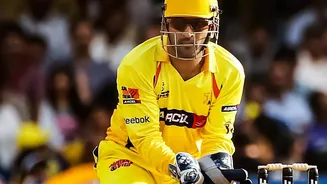
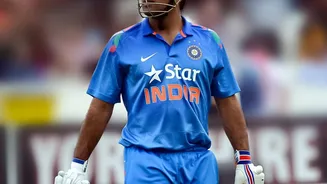
Cricket is a game filled with long pauses, giving the mind ample time to wander to past mistakes or future fears. Champions possess the superpower of staying in the present. Perhaps no one exemplifies this more than MS Dhoni, whose legendary calmness under pressure stems from a simple philosophy: focus on the process, not the outcome. Instead of worrying about the required run rate or the possibility of losing, he breaks the situation down to its smallest component: the next ball. This principle, a form of mindfulness, helps players conserve mental energy and maintain absolute focus when it matters most. By anchoring themselves to the present, they prevent the weight of the occasion from clouding their judgment, allowing them to make clear, instinctive decisions.
The Routine as an Anchor
Watch any top batter prepare to face a delivery. You'll likely see a sequence of familiar actions: a tap of the bat, an adjustment of the gloves, a deep breath. This is more than just a habit; it's a pre-performance routine designed to lock in focus and create a sense of control. In a chaotic and unpredictable game, routines provide a psychological anchor, a moment of stability that quiets the mind and signals it's time to perform. These rituals help players transition from a relaxed state to intense concentration in a split second. It’s a personal trigger that blocks out external distractions and internal doubts, allowing the player to enter their performance bubble and focus solely on the task at hand: the next ball.
Turning Pressure into a Privilege
For many athletes, pressure is a threat that causes anxiety and leads to 'choking'. For champions, pressure is a privilege—an opportunity to do something special. This shift in mindset is crucial. Players like Virat Kohli are known for their aggression and unmatched self-belief, thriving in high-stakes situations where others might crumble. This mentality comes from relentless preparation, which builds an unshakeable confidence in one's abilities. They reframe a tense run chase not as a daunting task, but as a challenge to be enjoyed. By viewing pressure as an exciting part of the game rather than something to be feared, they unlock their best performance when it matters most.
Embracing Failure as Feedback
In cricket, failure is unavoidable. Even the best batters in the world fail more often than they succeed. What sets champions apart is their resilience—the ability to bounce back from a duck or an expensive over without letting it define their performance. They possess a growth mindset, viewing setbacks not as a reflection of their worth but as valuable data for improvement. After a dismissal, they don't dwell on the mistake; they analyse it, learn from it, and move on. This emotional regulation prevents one bad moment from spiralling into a complete loss of confidence. They understand that the true test of a player isn't whether they get knocked down, but how quickly they get back up, ready for the next challenge.