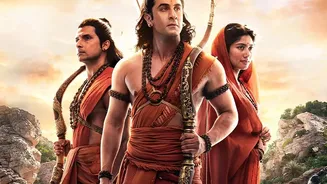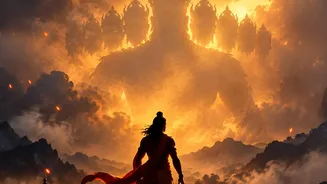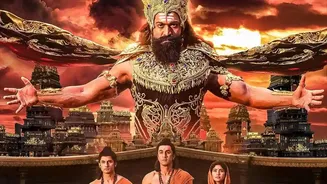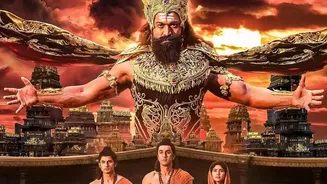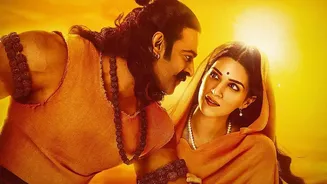







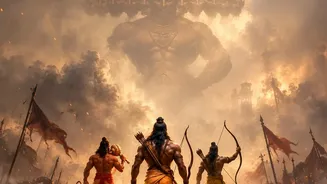

The box office success of a mega-film like 'Ramayana' isn't just about ticket sales, but how those tickets are sold. The growing reliance on premium formats like IMAX and 3D reveals a major shift in the business of Indian cinema.
The New Face of Cinema-Going
For decades, a movie ticket
was a simple proposition. Today, audiences face a menu of options: 2D, 3D, IMAX, 4DX, and more. These 'premium formats' offer enhanced viewing experiences with larger screens, superior sound, and immersive effects, and they come with a higher price tag. A standard 2D ticket might cost between ₹300-₹400 in a metro, but an IMAX 3D seat for the same film can soar to ₹700-₹800 or even higher for special recliner seats. This price difference is at the heart of a strategic shift for big-budget productions. It’s no longer just about filling seats, but about maximising revenue from each seat filled.
The Blockbuster Blueprint
Spectacle-driven films are increasingly leveraging this model. For a film like Nitesh Tiwari's 'Ramayana', designed for visual grandeur, the push for premium formats is a calculated business decision. These formats may account for a smaller percentage of a film's total screens, but they can contribute a disproportionately large share of the revenue. For instance, reports indicate that for some Hollywood blockbusters, premium formats with only 8% of the shows can account for around 10% of total gross advance sales. The IMAX release of a movie can contribute up to 25% of a film's total box office revenue in some cases. For 'Ramayana', the results have been historic; the film has reportedly become the highest-grossing Indian film in IMAX domestically, earning over ₹70 crore from the format alone and significantly surpassing previous records.
Why Audiences Pay More
The success of this strategy hinges on a simple factor: audiences are willing to pay for a better experience, especially for films they perceive as 'events'. When a movie promises massive scale, cutting-edge visual effects, and a story that demands immersion, many viewers see the premium ticket as a justifiable expense. This creates a sense of urgency and makes the theatrical viewing feel distinct from waiting for the film to arrive on a streaming platform. The growing appetite for these experiences is driving exhibitors like PVR INOX and others to expand their premium screen footprint across India, with more IMAX and other large-format screens planned for the coming years.
A Tale of Two Prices
However, this premium-focused strategy is not without its complexities. The initially high ticket prices for 'Ramayana', with some premium seats costing thousands of rupees, sparked a debate among moviegoers. After the initial surge, as the film's collections began to slow in its third week, the makers strategically slashed prices for standard 2D shows to as low as ₹99 to boost footfalls. This created a dual-market approach: premium formats retained higher prices for enthusiasts seeking the best experience, while discounted standard tickets made the film accessible to a wider audience. This dynamic pricing illustrates a broader industry tug-of-war between making films accessible and maximising revenue from high-demand formats.
The Future of Indian Epics
The box office journey of 'Ramayana' serves as a powerful case study. While local films have traditionally accounted for a smaller share of premium format business compared to Hollywood blockbusters, that is rapidly changing. The success of 'Ramayana' in IMAX demonstrates that Indian productions, when mounted on a grand scale, can command premium prices and dominate these formats. This success provides a financial incentive for producers to invest more in the visual and technical aspects of filmmaking, knowing there is a specific, high-revenue market waiting for it. The growth in 4DX format box office, which outpaced the general market in 2025, further underscores this trend.