



Understanding the Dairy Benchmark
To understand the plant-based solution, you first need to appreciate the original. Traditional Italian gelato gets its signature dense and creamy texture from a precise balance of ingredients. The key players are milk fat (butterfat), milk proteins (casein
and whey), sugar, and a small amount of air. Unlike American ice cream, gelato has less fat and is churned at a slower speed, incorporating less air, which makes it denser. The milk proteins are crucial; they act as natural emulsifiers, helping to bind the fat and water, and contribute to a stable, smooth structure that resists large ice crystals. The sugar doesn't just add sweetness; it lowers the freezing point, ensuring the final product is scoopable and not a solid block of ice.
The Challenge of Replacing Fat
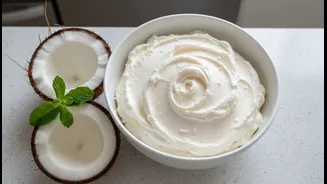
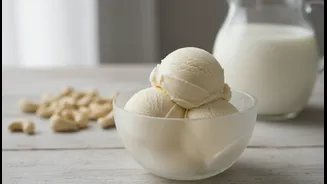
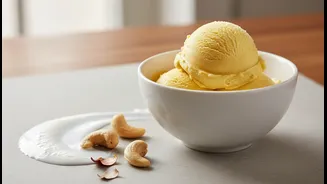
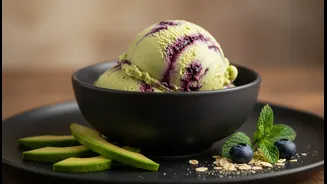
Fat is arguably the most important factor for a creamy mouthfeel. In dairy-free gelato, creators must find a plant-based fat that can mimic the behaviour of butterfat. Early vegan ice creams were often icy because many plant oils form hard, unpleasant crystals when frozen. The solution was found not in a single substitute, but in clever blends. Full-fat coconut milk is a popular and effective choice because its high saturated fat content provides a richness and body similar to dairy cream. This is why it forms the base of many rich-tasting vegan gelatos. Other fats from sources like cashews, avocados, and even specific oils can be combined to create a complex fat structure that stays smooth and creamy at freezing temperatures, replicating dairy's luxurious texture.
The Search for Plant-Based Proteins
Milk proteins like casein and whey are structural powerhouses, helping to trap air and stabilise the entire mixture. Plant-based milks from oats, almonds, or soy don't have this same built-in functionality. To overcome this, gelato makers often rely on the natural proteins and solids found in ingredients like cashews or add specific plant protein isolates. For instance, proteins from peas can help trap air during churning, creating structure much like their dairy counterparts do. Some recipes also use nut butters, which contribute both protein and fat, adding to the overall creaminess and stability of the final product.
The Unsung Heroes: Stabilizers and Emulsifiers
If fat and protein are the stars, stabilizers and emulsifiers are the essential supporting cast, especially in plant-based recipes. Emulsifiers help keep fat and water molecules happily blended, preventing separation. Think of them as peacemakers in the mixture. Common plant-based emulsifiers include lecithin derived from soy or sunflower. Stabilizers, such as guar gum or locust bean gum, work by binding with water molecules. This crucial job prevents the water from forming large, crunchy ice crystals as the gelato freezes and during storage, which is the number one enemy of a smooth texture. Starches like cornstarch or arrowroot can also be used to thicken the base and improve its final consistency.
Balancing Sweetness and Texture
In dairy gelato, the milk sugar (lactose) plays a role in the final texture. Plant-based versions lack lactose, so the types of sugars used are carefully selected for more than just taste. A blend of different sugars, such as glucose syrup, dextrose, or even natural sweeteners like maple syrup, is often used. This is because different sugars have different effects on the freezing point of the mixture. By engineering the right sugar blend, makers can ensure the gelato remains soft and scoopable straight from the freezer. It’s a delicate balancing act to achieve the perfect sweetness while also managing the all-important texture and preventing it from becoming an icy brick.