







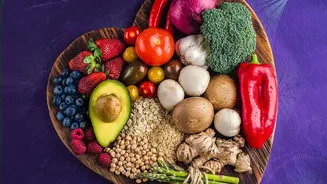
Embrace Seasonal and Local Produce
One of the most effective ways to save money is to build your meals around seasonal vegetables and fruits. Produce that is in season is not only fresher and more nutritious but also significantly cheaper because it's abundant. A kilogram of tomatoes,
for example, might cost ₹20 in season but jump to ₹80 when it's not. Shopping from your local sabzi mandi instead of large supermarkets often yields better prices and fresher goods. Since India has distinct growing seasons—summer, monsoon, and winter—aligning your menu with them ensures variety and affordability. In October, for instance, vegetables like spinach, onions, and peas are good choices.
Make Pulses and Lentils Your Best Friends
Indian vegetarian cuisine is built on a foundation of dals, pulses, and legumes, which are nutritional powerhouses and incredibly budget-friendly. Ingredients like moong dal, chana (chickpeas), and rajma (kidney beans) offer the best value for protein, often costing much less per gram than paneer or processed alternatives. Planning for a few dal-based meals each week, like a simple 'dal-chawal' dinner, can significantly lower your grocery spending. Soya chunks are another exceptionally cheap and high-protein option, with 100 grams (dry) containing about 52 grams of protein. They easily absorb the flavours of any curry, making them a versatile addition to your meals.
Plan Your Meals for the Week
A little planning goes a long way. Before you shop, create a simple meal plan for the week. This doesn't need to be rigid, but having a general idea of what you'll cook prevents impulse buys and ensures you only purchase what you need. A shopping list is your best tool against overspending. By sticking to your list, you avoid buying items that you 'might' use but often end up wasting. Meal planning also reduces the stress of deciding what to cook every day, which is a common challenge in busy households. A well-thought-out plan simplifies your week and brings a rhythm to your kitchen.
Master the Art of Smart Shopping
Buying in bulk can lead to significant savings, but only for items with a long shelf life. Staples like rice, flour, dals, and whole spices are often cheaper when purchased in larger quantities. However, avoid buying perishable items like vegetables in bulk unless you're sure you can use them before they spoil. For many families, buying smaller quantities of fresh produce more frequently reduces waste. Also, consider store brands over well-known name brands for staples, as they often offer similar quality at a lower price. Comparing prices between your local kirana store and online platforms can also help you find the best deals on different items.
Reduce and Repurpose Kitchen Waste
Food waste is essentially money thrown in the bin. Adopting a 'zero-waste' approach in the kitchen can make a noticeable difference. Use all parts of your vegetables—stems from coriander can go into chutneys, and peels from carrots or potatoes can be used to make a flavourful broth. Get creative with leftovers. Last night's dal can be used to make parathas, and extra rice can be turned into a tasty fried rice or pulao for the next day's lunch. Proper storage is also key; keep leafy greens in airtight containers and store onions and potatoes in a cool, dark place to extend their life. Implementing the 'First In, First Out' (FIFO) rule ensures you use older items before they expire.