

The Main Event: A Dazzling Perseid Meteor Shower
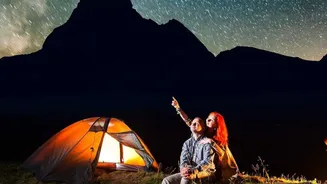
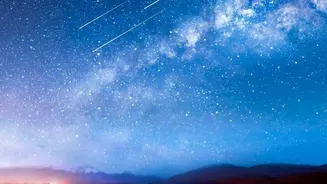
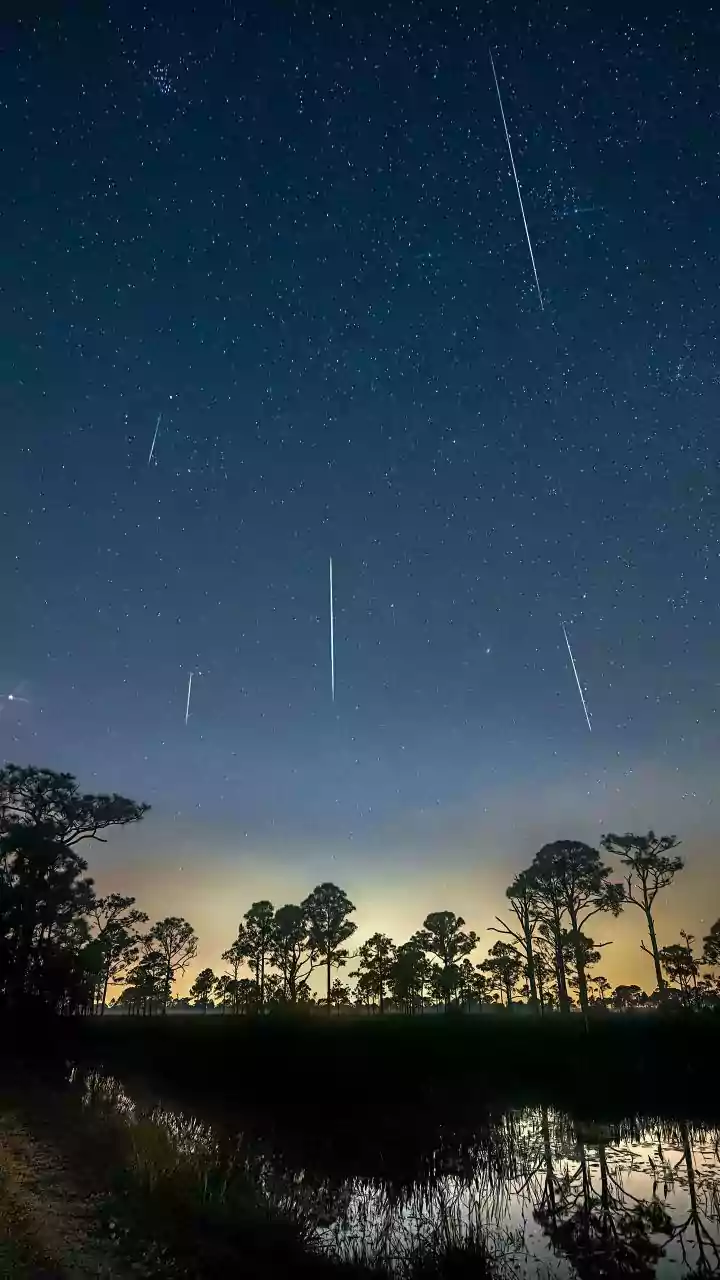
The celestial highlight of August is undoubtedly the Perseid meteor shower, and 2026 is shaping up to be a spectacular year for it. The shower peaks on the night of August 12 and into the pre-dawn hours of August 13. What makes this year special is that
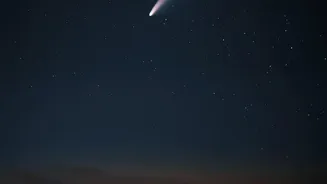
the peak coincides perfectly with a New Moon, meaning the sky will be exceptionally dark, free from moonlight that would otherwise wash out fainter meteors. Under ideal, clear conditions, you could see between 50 and 100 meteors per hour. These fast, bright meteors are actually tiny debris particles left behind by Comet Swift-Tuttle, which burn up as they enter our atmosphere. For the best views in India, find a dark spot away from city lights and look toward the northeastern sky after midnight. The prime viewing window is between 2:00 AM and 4:30 AM IST on the morning of August 13.
Planets on Parade and Other Sights
Beyond the Perseids, August 2026 has more to offer. On the morning of August 13, just before sunrise, a rare planetary parade will be visible. Six planets—Mercury, Mars, Jupiter, Saturn, Uranus, and Neptune—will be spread across the sky. With clear skies and an unobstructed horizon, you should be able to spot Mars, Jupiter, and Saturn with the naked eye, though binoculars will help. Throughout the month, these planets remain key features of the night sky. Keep an eye out on August 9, when the Moon will appear close to Mars, making the Red Planet easier to locate for beginners. While there is a total solar eclipse on August 12 and a partial lunar eclipse on August 28, it's important to note that neither of these events will be visible from India.
Navigating the Monsoon Challenge
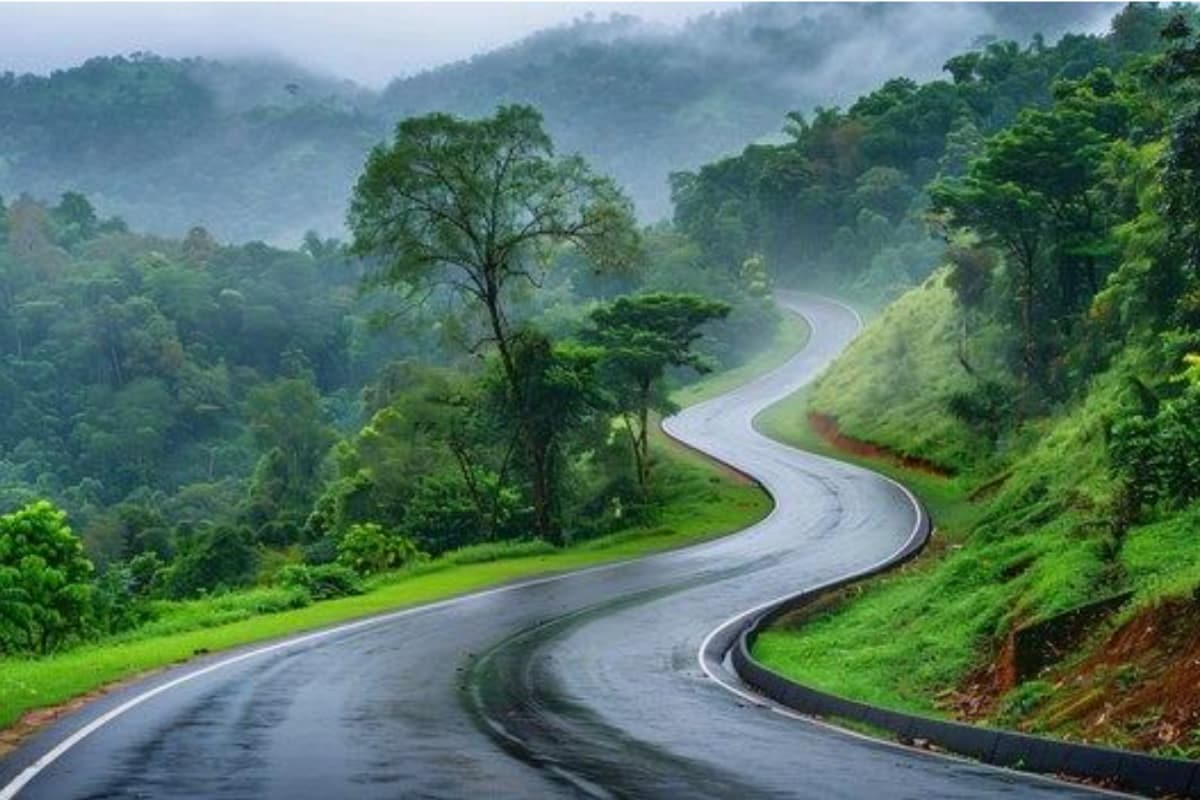
The biggest hurdle for stargazing in August across most of India is the monsoon. Heavy cloud cover can easily spoil a planned session. However, it doesn't make stargazing impossible. The key is to be flexible and opportunistic. Keep a close eye on local weather forecasts for any breaks in the rain. The air is often at its clearest and free of dust just after a spell of rain, offering stunningly crisp views if the clouds part. This post-rain clarity can turn a seemingly lost night into a memorable one. If you live in a region with heavy monsoon activity, consider planning a trip to an area that is less affected. Rain-shadow regions offer the most reliable bet for clear August skies.
Finding Your Dark Sky Haven
To truly experience the night sky's splendour, escaping city light pollution is a must. For the most dedicated skywatchers, high-altitude desert regions are the best bet during the monsoon. Locations like the Spiti Valley in Himachal Pradesh or Ladakh—home to India's first official Dark Sky Reserve in Hanle—receive very little rainfall and offer some of the darkest skies in Asia. The Thar Desert around Jaisalmer is another excellent option. If a long trip isn't feasible, there are more accessible spots. Hill stations can often rise above the worst of the low-lying haze and light pollution. Places like Malshej Ghat in Maharashtra, Coorg in Karnataka, and Yercaud in Tamil Nadu are known to offer good stargazing opportunities during monsoon breaks. Many homestays and resorts in these areas are situated away from town centres, providing a darker setting.
Your Essential Stargazing Toolkit
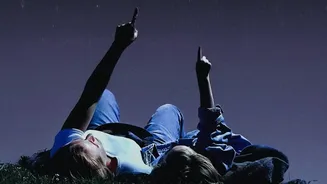
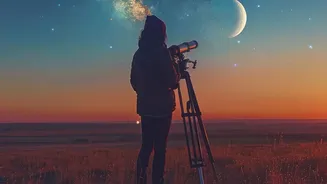
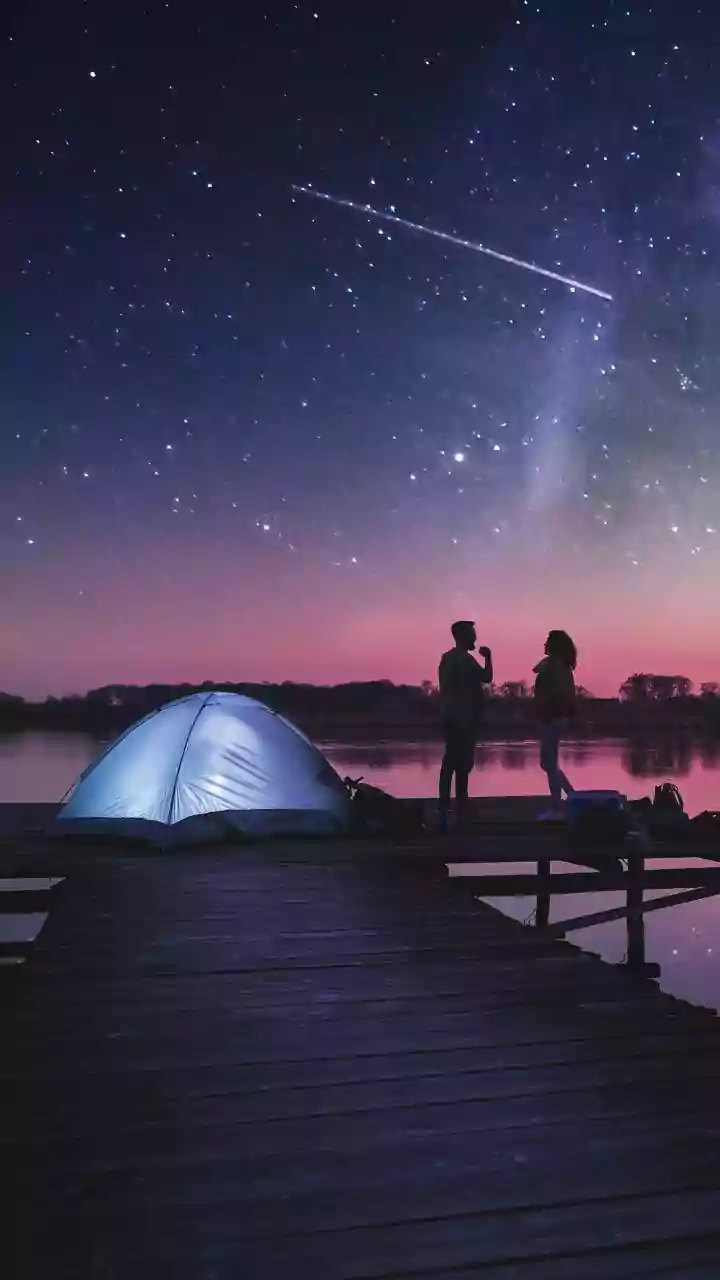
You don't need expensive equipment to enjoy the show. Your most important tool is patience—allow your eyes at least 20-30 minutes to fully adapt to the darkness. To make your session comfortable, bring a reclining chair or a blanket to lie on. While a telescope is great, a simple pair of binoculars can dramatically enhance your view of star clusters and the planets. For navigating the sky, your smartphone is a powerful ally. Apps like Stellarium, SkyView, or Star Walk 2 can identify stars, constellations, and planets in real-time. For a uniquely Indian perspective, the Bhagol app helps you identify celestial objects using nakshatras and Indian astronomical traditions. Lastly, use a red-light torch if you need light, as it preserves your night vision far better than a standard white flashlight.