





Why Your Plants Prefer Rain
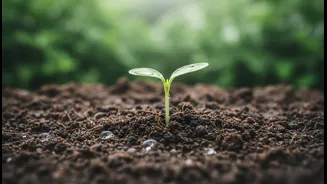
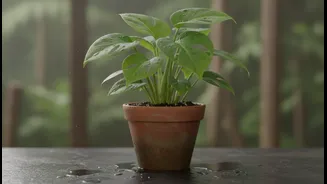
Plants don't just tolerate rainwater; they thrive on it. Unlike treated tap water, which often contains chlorine and mineral salts that can accumulate in soil over time, rainwater is naturally soft and pure. Its slightly acidic pH is perfect for most
plants, helping to unlock and make available essential soil nutrients like iron and manganese. Rainwater also contains nitrates, a form of nitrogen that plants can easily absorb, which encourages lush, green foliage. When rain washes over leaves, it cleans away dust and pollutants, allowing the plant to breathe and photosynthesize more efficiently. Think of it as a nutrient-rich, perfectly balanced drink delivered straight from nature, without any of the additives found in municipal water supplies. This is why gardens often look particularly vibrant and green after a good shower.
The Danger of Drowning Roots
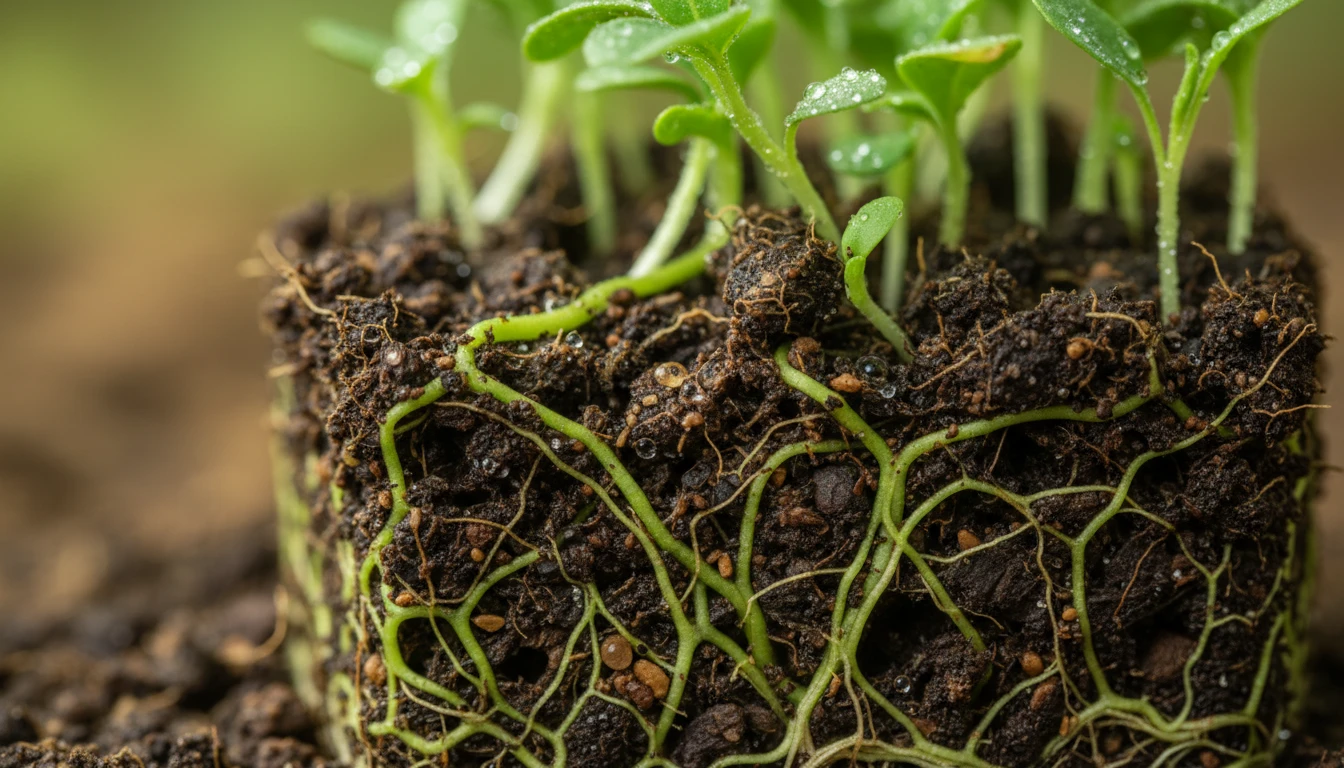
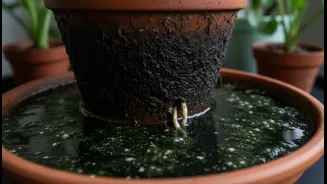
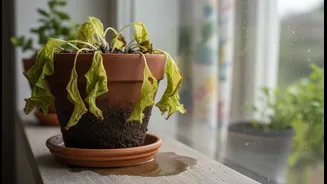
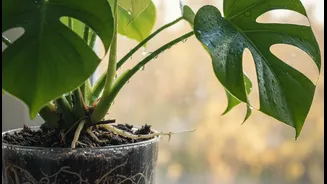
The problem isn't the rainwater itself, but the quantity and frequency. The headline’s warning comes into play when roots are left sitting in water. Plant roots need oxygen to survive and function, which they absorb from small air pockets in the soil. When soil becomes waterlogged, these pockets fill with water, effectively cutting off the oxygen supply. Without oxygen, the roots begin to suffocate, weaken, and die. These weakened, decaying roots become a prime target for fungus-like organisms and bacteria that thrive in soggy, anaerobic conditions. This leads to root rot, a disease that destroys the plant's ability to absorb both water and nutrients. Paradoxically, a plant suffering from root rot will often wilt and look thirsty, leading well-intentioned gardeners to water it even more, which only accelerates its decline.
Signs You're Overwatering
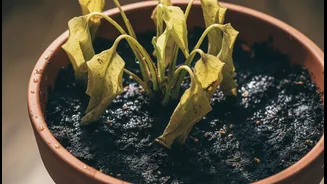
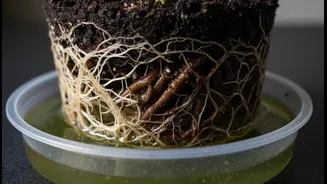
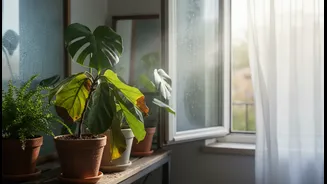
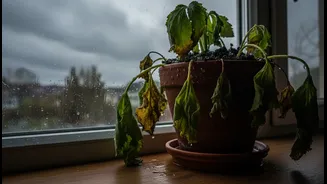
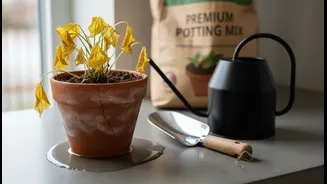
Distinguishing an overwatered plant from an underwatered one can be tricky, as both can cause wilting. The key is to check the soil. If the leaves are wilting but the soil is damp or soggy, overwatering is the likely culprit. Other classic signs include yellowing leaves, especially on the lower parts of the plant, and leaves that feel soft or mushy. You might also notice a sour or musty smell coming from the pot, which indicates decaying organic matter and root rot. In some cases, you may see mould or fungus growing on the surface of the soil or find small pests like fungus gnats hovering around the plant, as they are drawn to constantly moist conditions. If you suspect a problem, gently ease the plant out of its pot. Healthy roots are firm and whitish, while rotten roots will be brown, black, and soft to the touch.
The Golden Rules of Watering
Proper watering is a skill, not a schedule. The most reliable method is the finger test: stick your index finger about two inches into the soil. If it comes out dry, it's time to water. If you feel moisture, wait another day or two and check again. When you do water, do it thoroughly until water runs out of the drainage holes at the bottom of the pot. This ensures the entire root ball is hydrated. After a few minutes, discard any excess water that has collected in the saucer. Allowing a pot to sit in a pool of water is one of the fastest ways to induce root rot. Remember that a plant's water needs change with the seasons, temperature, and humidity, so always check the soil before reaching for the watering can.
Set Your Plants Up for Success
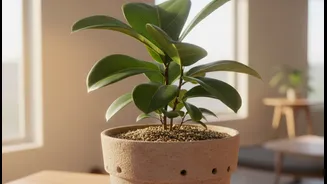
Good drainage is your best defence against overwatering. Always use pots with drainage holes. If you fall in love with a decorative pot that doesn't have them, use it as a cachepot—a decorative outer container—and keep your plant in a simple plastic nursery pot with holes inside it. When it's time to water, you can remove the inner pot, water it in the sink, let it drain completely, and then return it to the cachepot. The type of soil you use is also critical. Avoid using heavy garden soil for containers, as it compacts easily and retains too much water. Instead, choose a quality potting mix designed for containers. These mixes are lighter and contain ingredients like perlite or vermiculite that improve aeration and drainage, creating a healthier environment for plant roots to thrive.