



The Gut Under Siege
When you're prescribed antibiotics, you're waging a necessary war against a bacterial infection. But these powerful drugs are not precision weapons. In the process of killing off the bad bacteria, they often cause significant collateral damage, wiping
out many of the beneficial bacteria that live in your gut. This community of microorganisms, known as the microbiome, is crucial for everything from digestion to immune function. For years, doctors have known that this disruption can lead to side effects like diarrhoea and can leave you vulnerable to other infections. The big question has always been whether we can do anything to protect this delicate internal ecosystem during treatment.
A Surprising Link to Sugar
New research published in the journal Nature has unearthed a powerful and unexpected connection between diet and the microbiome's resilience during antibiotic treatment. In a large-scale study, researchers from City of Hope, NYU Langone, and Memorial Sloan Kettering meticulously tracked the diets of hospitalised cancer patients who were receiving antibiotics. The findings were stark: patients who consumed more sugary foods and drinks while on antibiotics experienced a much more dramatic loss of microbial diversity in their gut. The data, gathered from over 9,400 meals, showed that for every 100-gram increase in sugar—about the amount in a large milkshake or two cans of soda—bacterial diversity dropped by an additional 24%. This effect wasn't seen in patients eating sugar without being on antibiotics, indicating a harmful synergy between the two.
How Sugar Fuels the Wrong Crowd
So what's actually happening in the gut? Antibiotics clear out a wide range of bacteria, creating a vacuum. The research suggests that the bacteria left behind that can thrive on simple sugars get a significant advantage. In the study, high-sugar diets combined with antibiotics led to a bloom of a particularly troublesome species called Enterococcus faecium. This bacterium is known for its resilience and is often linked to hard-to-treat hospital-acquired infections. When it takes over, it crowds out other beneficial strains, further degrading the microbiome. Experiments in mice confirmed these findings, showing that a high-sucrose diet alongside antibiotics caused a massive increase in Enterococcus populations in the gut within days.
What About 'Good' Sugars?
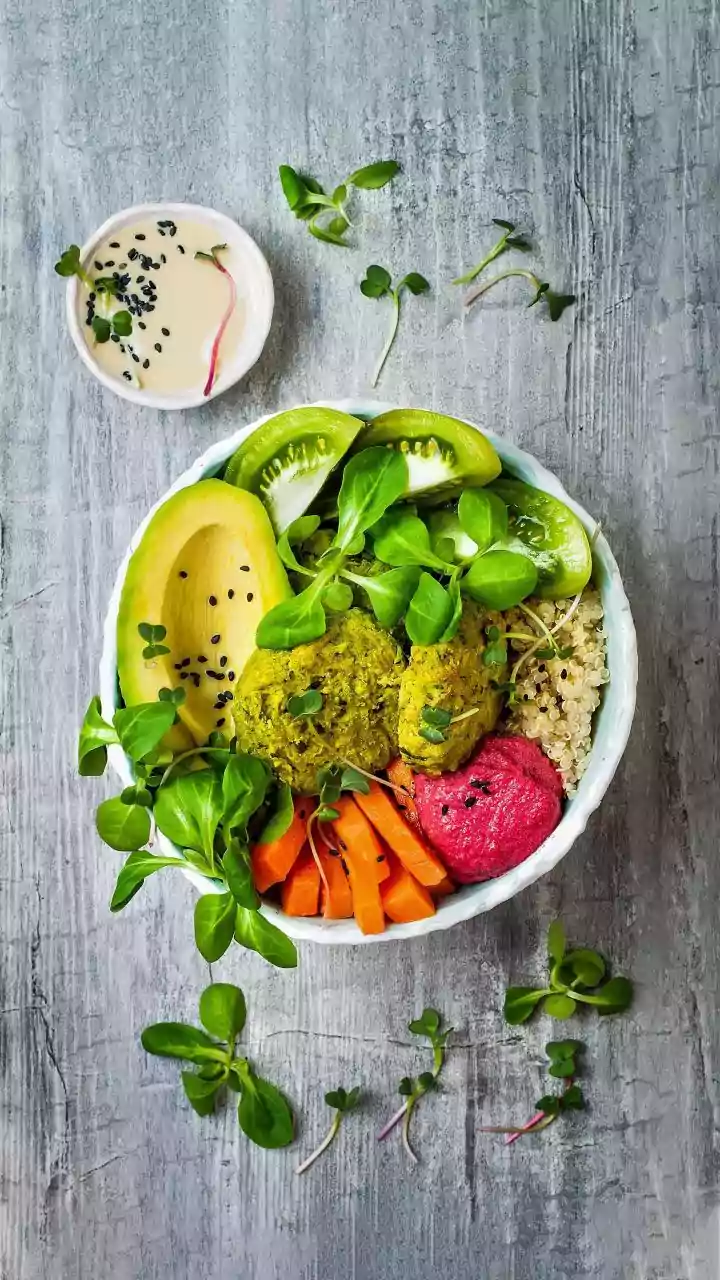
It's important to distinguish between different types of foods. The study focused on simple sugars and sucrose—the kind found in sweets, sodas, and even some seemingly healthy options like sports drinks and nutritional shakes that are often recommended to patients who are unwell. This is different from the complex carbohydrates and fibres found in fruits, vegetables, and whole grains. In fact, other research has highlighted that a high-fibre diet can do the opposite, helping the microbiome recover more quickly after a course of antibiotics. While the science on sugar and antibiotics is still developing, the evidence points toward simple, added sugars being the primary concern during treatment.
Your Action Plan During Treatment
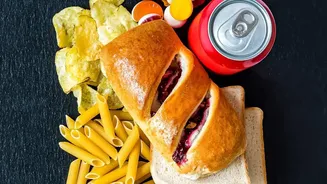
Based on this emerging science, the advice is becoming clearer. While taking antibiotics, it may be wise to limit your intake of sugary foods and drinks. This doesn't mean you need to eliminate all sugar, but being mindful of sweets, desserts, sodas, and processed foods with high sugar content could help protect your gut health. Instead, focus on a balanced diet rich in fibre from diverse plant sources to support the good bacteria. While the human study was focused on hospitalised patients who are particularly vulnerable, the researchers believe the findings could have broader implications for anyone taking antibiotics. Clinical trials are still needed to confirm these findings and create formal dietary guidelines, but for now, easing up on the sugar appears to be a sensible step.