






Plant Quick-Growing Vegetables
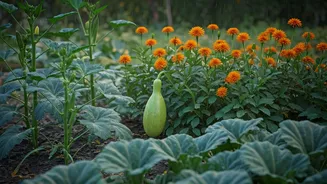
The monsoon is the perfect time for a fast and rewarding vegetable patch. The consistent moisture helps seeds germinate quickly. Focus on leafy greens and fast-growing gourds. Spinach (palak), amaranth (chaulai), and fenugreek (methi) are excellent choices
that can be harvested within weeks. For something more substantial, plant gourds like bottle gourd (lauki), ridge gourd (tori), and cucumber (kheera). These climbers love the humidity and will quickly cover a trellis, providing shade and produce. Radish (mooli) and lady's finger (bhindi) also perform exceptionally well in the rainy season. Start them in well-draining pots or raised beds to avoid waterlogging.
Embrace Rainy Day Blooms
While some flowers wilt in the heavy rain, others thrive. Monsoon is the season for vibrant, hardy blooms that add a splash of colour to grey days. Hibiscus, with its large, dramatic flowers, is a classic choice. Balsam (often called the 'monsoon flower'), marigolds (genda), and zinnias are incredibly easy to grow from seed and will provide a continuous display of colour. For a touch of fragrant elegance, consider planting tuberose (rajnigandha) bulbs. Their intoxicating scent is particularly strong on humid evenings. Another beautiful option is the Rangoon Creeper (Madhumalti), a vine that produces clusters of flowers that change colour from white to pink to red.
Start a Kitchen Herb Garden
There’s nothing better than fresh herbs for your monsoon pakoras and chai. Many herbs thrive in the moderate temperatures and high humidity of the season. Mint (pudina) is almost foolproof and will grow vigorously. Holy basil (tulsi) is another must-have, revered for its medicinal properties and aromatic leaves. Lemongrass is a fantastic addition, perfect for flavouring teas and soups, and it also helps repel mosquitoes. Coriander (dhania) can be tricky due to 'damping off' disease, so it's best grown in a pot with excellent drainage and some protection from the heaviest downpours. These can be grown in small pots on a windowsill or balcony, making them accessible to everyone.
Master Your Drainage
The single biggest challenge of monsoon gardening is not a lack of water, but an excess of it. Waterlogged soil suffocates plant roots, leading to root rot and fungal diseases. The solution is excellent drainage. If you're using containers, ensure they have plenty of drainage holes. Add a layer of broken pot pieces or gravel at the bottom before filling with soil. For garden beds, consider creating raised beds by mounding up soil. This elevates the root zone above the surrounding water level. Amending your soil with sand and organic compost also improves its structure and ability to drain freely. Never let your pots sit in trays full of water for extended periods.
Watch for Pests and Fungi
The warm, wet conditions that plants love are also a paradise for pests and fungal diseases. Be vigilant. Slugs and snails are common, so check your plants in the morning and evening, especially after a heavy shower. Fungal issues like powdery mildew and black spot can spread quickly. Ensure good air circulation around your plants by spacing them properly and pruning any overcrowded foliage. A preventive spray of neem oil solution (a mix of neem oil, mild liquid soap, and water) every 10-15 days can work wonders. It's an organic way to deter pests and prevent fungal spores from taking hold. If you see an infected leaf, remove it immediately to stop the spread.
Get Creative with Containers
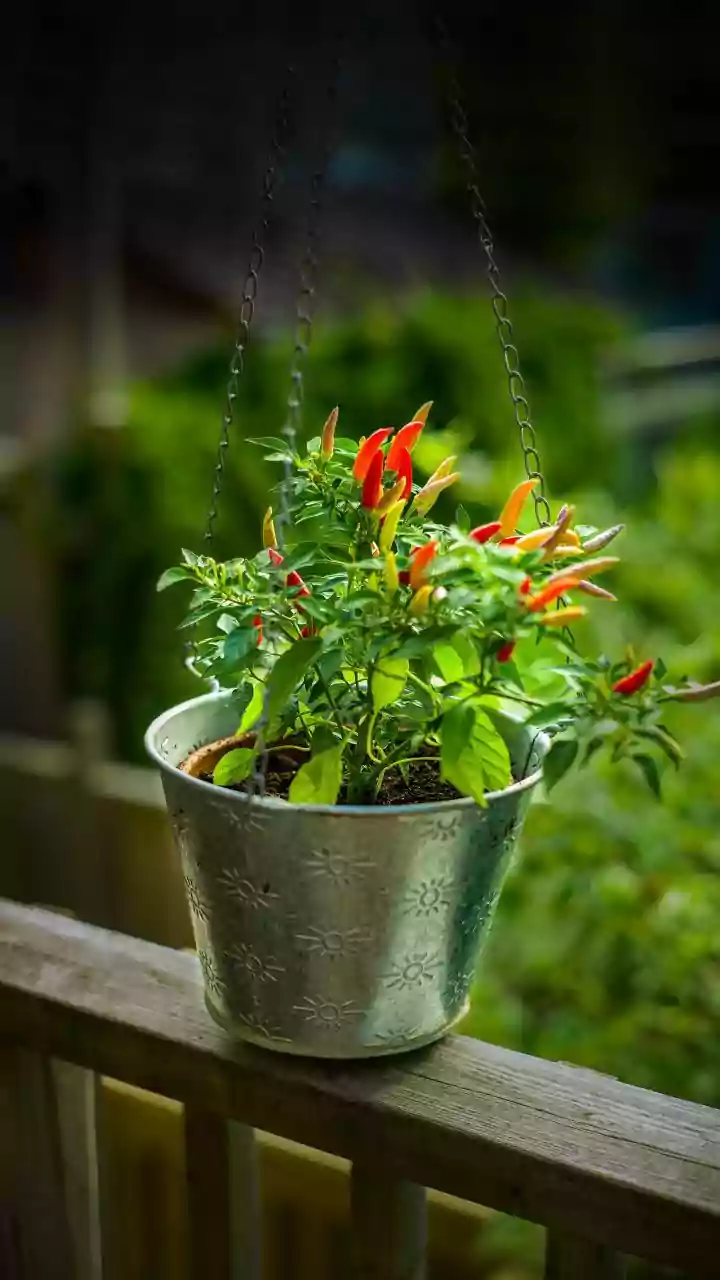
The monsoon is a great time to experiment with your garden setup. Vertical gardening is particularly effective, as it promotes air circulation and saves space. You can use stacked pots, wall-mounted planters, or even repurposed plastic bottles to create a green wall. This is ideal for growing herbs and leafy greens. Hanging baskets are another excellent option, especially for flowering plants like petunias and portulaca (office time). The baskets ensure perfect drainage and lift the beautiful blooms to eye level. Choosing the right container and placement can solve many common monsoon gardening problems before they even start.