




A New Watchdog for Cleanliness
Maintaining hygiene on long-distance train journeys has long been a monumental task for Indian Railways and a frequent pain point for passengers. From dirty washrooms to uncleaned coaches, complaints are common. Now, the Northeast Frontier Railway (NFR)
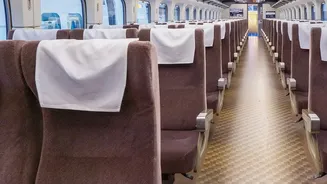
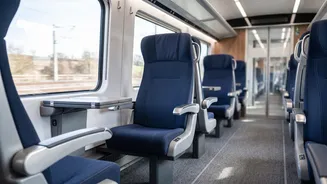
is introducing a high-tech solution to supervise and improve housekeeping standards. The system uses Artificial Intelligence to assess the cleanliness of coaches and lavatories, moving beyond manual checks to a more data-driven and accountable process. This initiative aims to provide real-time oversight and ensure that cleaning tasks are not just performed, but performed well. The rollout is part of a broader push to modernize railway operations and elevate the passenger experience, making journeys more comfortable and hygienic.
How AI Is Tackling the Dirt
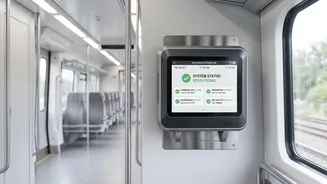
The new AI-based system integrates several layers of technology to create a comprehensive monitoring workflow. Housekeeping staff will use geo-tagged attendance and QR codes to log their presence and access coaches, ensuring accountability from the start. After cleaning, they must upload time-stamped photographs of their work. This is where the AI comes in. The system analyzes these images to assess whether the cleaning meets prescribed standards, flagging any subpar work for immediate attention. This creates a transparent loop of task assignment, execution, verification, and reporting. In addition to the AI-powered photo analysis, the system allows for real-time passenger feedback and star ratings, giving railway officials a direct line to the customer experience and helping them pinpoint recurring issues. This digital tracking not only enforces standards but also provides valuable data to improve services system-wide.
The Five Routes Getting the Upgrade
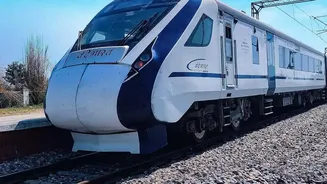
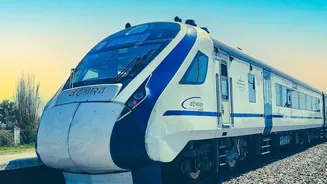
This enhanced service has been implemented on five key long-distance trains operated by the Northeast Frontier Railway. The selection includes two popular Vande Bharat Express services and three other superfast trains connecting major hubs. The services with the new AI-powered cleaning and support systems are: the New Jalpaiguri–Patna Vande Bharat Express, the New Jalpaiguri–Guwahati Vande Bharat Express, the Guwahati–Kolkata Garib Rath Express, the Dibrugarh–Mumbai LTT Express, and the Kamakhya–SMVT Bengaluru Express. The rollout for these trains began in mid-October 2026, making NFR the second zonal railway in the country to launch such an initiative.
More Than Just AI Checks
Beyond the AI assessments, the upgrade includes a commitment to faster and more responsive service. A key feature of the new initiative is a two-hour target for resolving passenger complaints related to housekeeping and other basic technical issues. Dedicated, multi-skilled teams will be on board to handle everything from cleaning requests to minor mechanical or electrical repairs. Any complaints that cannot be resolved within this two-hour window will be escalated to senior railway authorities for prompt action. This structured approach to complaint resolution aims to replace ad-hoc fixes with a reliable and time-bound system, significantly improving the onboard experience. The initiative also covers other aspects of the journey, including better maintenance of washrooms and overall coach upkeep, ensuring a holistic improvement in passenger comfort.
The Bigger Picture for Indian Railways
This pilot program is a clear signal of Indian Railways' direction for the future. While this specific initiative focuses on five trains, similar AI-based technology is also being tested in railway laundries to automate the inspection of washed linen for stains and tears. These efforts are part of a larger strategy to integrate technology into every facet of railway operations, from safety and punctuality to passenger comfort. Past initiatives like 'Project Swarn', which focused on upgrading Rajdhani and Shatabdi trains, laid the groundwork for such service enhancements. By leveraging AI, geo-tagging, and real-time feedback, Indian Railways is building a more transparent, accountable, and passenger-centric service model. The success of this rollout in the Northeast Frontier Railway could pave the way for a nationwide deployment, potentially transforming the daily travel experience for millions of people across the country.