





The Problem with Refined Carbs
Refined carbohydrates, like those in white bread, maida-based items, and many packaged cereals, have been stripped of their fibre and nutrients. When you eat them, your body breaks them down into sugar very quickly. This causes a rapid increase in blood
glucose levels, often called a 'sugar rush'. Your body releases a large amount of insulin to manage this spike, which soon leads to a sharp drop in blood sugar. This 'crash' is what leaves you feeling tired, irritable, and hungry long before lunchtime. Over time, this cycle can affect everything from your mood and concentration to your weight.
The Whole Grain Advantage
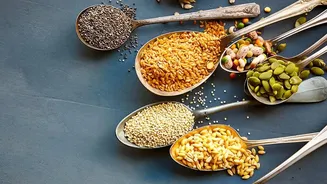
Whole grains, on the other hand, contain all parts of the grain kernel: the bran, germ, and endosperm. The bran is particularly important as it is rich in fibre. This fibre slows down digestion, meaning the sugar from the carbohydrates is released into your bloodstream much more gradually. Instead of a sharp spike and crash, you get a slower, more sustained release of energy. This helps keep your blood sugar levels stable, providing consistent fuel for your brain and body, which can improve focus and reduce cravings.
Swap 1: Dalia or Millet Upma
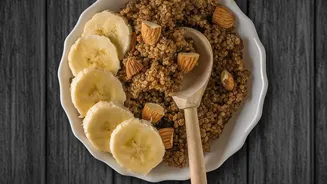
Instead of a standard upma made from refined semolina (suji), consider using broken wheat (dalia) or millets like foxtail or bajra. Dalia is a whole grain that is packed with fibre, digests slowly, and helps prevent energy crashes. Millets are also nutrient-dense grains rich in fibre and minerals. To make a quick and savoury porridge, simply dry roast the dalia or millet to enhance its nutty flavour, then cook it with double the quantity of vegetables like peas, carrots, and beans. This not only boosts the fibre content but also makes for a filling and satisfying start to the day.
Swap 2: Overnight Oats or Savoury Oats
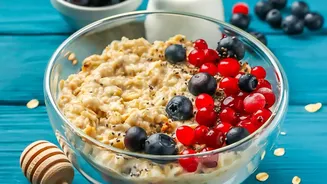
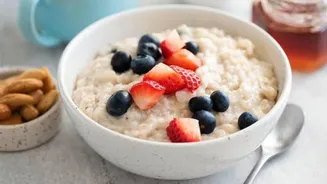
Oats are a fantastic source of a soluble fibre called beta-glucan, known for its ability to help manage blood sugar and cholesterol. For a breakfast that’s ready when you are, try overnight oats. Simply combine rolled oats (not instant, which can have a high glycemic index) with milk or curd, and a pinch of cinnamon in a jar the night before. In the morning, top with nuts or seeds for protein and healthy fats. If you prefer a savoury start, cook oats with vegetables and a few spices, similar to upma, and top with a sprinkle of peanuts.
Swap 3: Stuffed Whole Wheat Roti or Cheela
A paratha or roti made from whole wheat (atta) is a far better choice than one made from refined flour (maida). To make it a complete meal, stuff it with a protein-rich filling like crumbled paneer, spiced lentils (dal), or mixed vegetables. Another excellent option is a cheela, or savoury pancake. Instead of using refined flour, make a batter from gram flour (besan) or ground moong dal, which are naturally high in protein and fibre. You can add grated vegetables like spinach or carrots directly into the batter for an extra nutrient boost. Serve with a side of plain curd for a balanced meal.
Swap 4: Wholegrain Smoothie
For mornings when you need a breakfast you can drink on the go, a smoothie can be a great option if built correctly. The key is to avoid making it a sugar bomb with too much fruit juice or sweeteners. Instead, create a balanced blend. Combine a handful of rolled oats, a scoop of plain yogurt or a splash of milk, a portion of fruit like a banana or berries, and a spoonful of nut butter or seeds for healthy fats and protein. The oats and seeds provide fibre that will help slow the absorption of sugar from the fruit, keeping you full and energized.