



Start with the Source: Understanding Origin
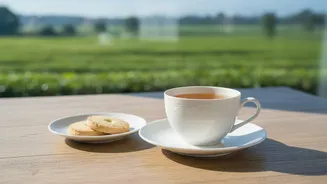
All true teas come from the same plant, Camellia sinensis. Where that plant is grown, however, dramatically changes the flavour in your cup. The soil, climate, and traditional processing methods of a region create a unique taste profile. While tea is grown worldwide,
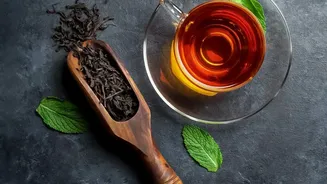
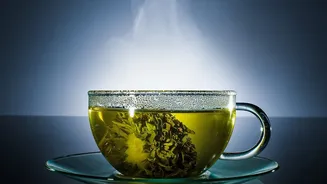
a few key origins offer a helpful starting point. Chinese green teas, for example, are often pan-fired, resulting in a milder, nuttier flavour. In contrast, Japanese green teas are typically steamed, which gives them a grassier, more marine-like character. For black teas, those from Assam in India are known for being bold, malty, and robust, holding up well to milk and sugar. Teas from Sri Lanka (formerly Ceylon) are often described as brighter and more refreshing. Understanding these basic regional differences allows you to start narrowing your search based on the fundamental flavour you enjoy most.
Decoding the Blend: Ingredients Matter
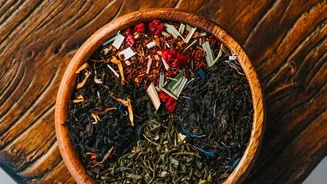
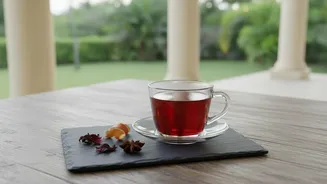
Beyond single-origin teas, you'll find an endless variety of blends that incorporate other ingredients to create unique flavours. These additions are what make a classic black tea into a floral Earl Grey or a spicy Chai. When looking at a blend, consider what kind of flavour profile you're in the mood for. Floral ingredients like jasmine, lavender, and chamomile often provide calming aromas and delicate tastes. Spices such as cinnamon, ginger, and cardamom add warmth and a pleasant kick, perfect for a cozy feeling. Dried fruits, from citrus peels to berries, can add sweetness, tartness, and complexity. Reading the ingredient list is the best way to predict the final taste. If you enjoy warm, sweet notes, look for blends with cinnamon. If you want something soothing before bed, a blend featuring chamomile is an excellent choice.
Managing the Buzz: The Caffeine Question
The final piece of the puzzle is caffeine. All teas from the Camellia sinensis plant contain caffeine, but the amount can vary significantly. As a general rule, black teas tend to have the highest caffeine content, typically ranging from 40-70 milligrams per cup, making them a popular morning choice. Oolong and green teas fall in the middle, usually containing 20-50 milligrams. White tea, made from the youngest buds, generally has the least caffeine of the true teas, around 15-40 milligrams. It's also important to distinguish true teas from herbal infusions, or tisanes. Herbal options like peppermint, rooibos, and chamomile are made from various plants, not the tea plant, and are naturally caffeine-free, making them ideal for any time of day, especially in the evening.
Your Three-Step Shopping Strategy
With this framework, you can walk into any tea shop with a clear plan. First, decide on your desired energy level. Do you need a morning boost or a relaxing evening cup? This will guide your caffeine choice—black or green for energy, herbal for calm. Second, think about flavour. Do you prefer a straightforward, pure tea taste? Focus on single-origin options from China or India. Are you craving something more complex? Look at the ingredients list for blends with fruits, spices, or flowers that appeal to you. Third, don't be afraid to ask for a recommendation or a sniff of the dry leaves. Tell the shopkeeper you're looking for a low-caffeine green tea with a nutty profile, or a bold black tea with spicy notes. By knowing what to ask for, you transform a confusing wall of choices into an exciting and manageable exploration.