



Our Robotic Detective to an Ocean World
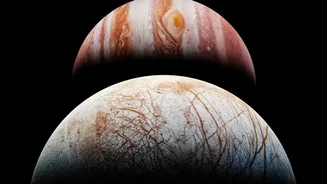
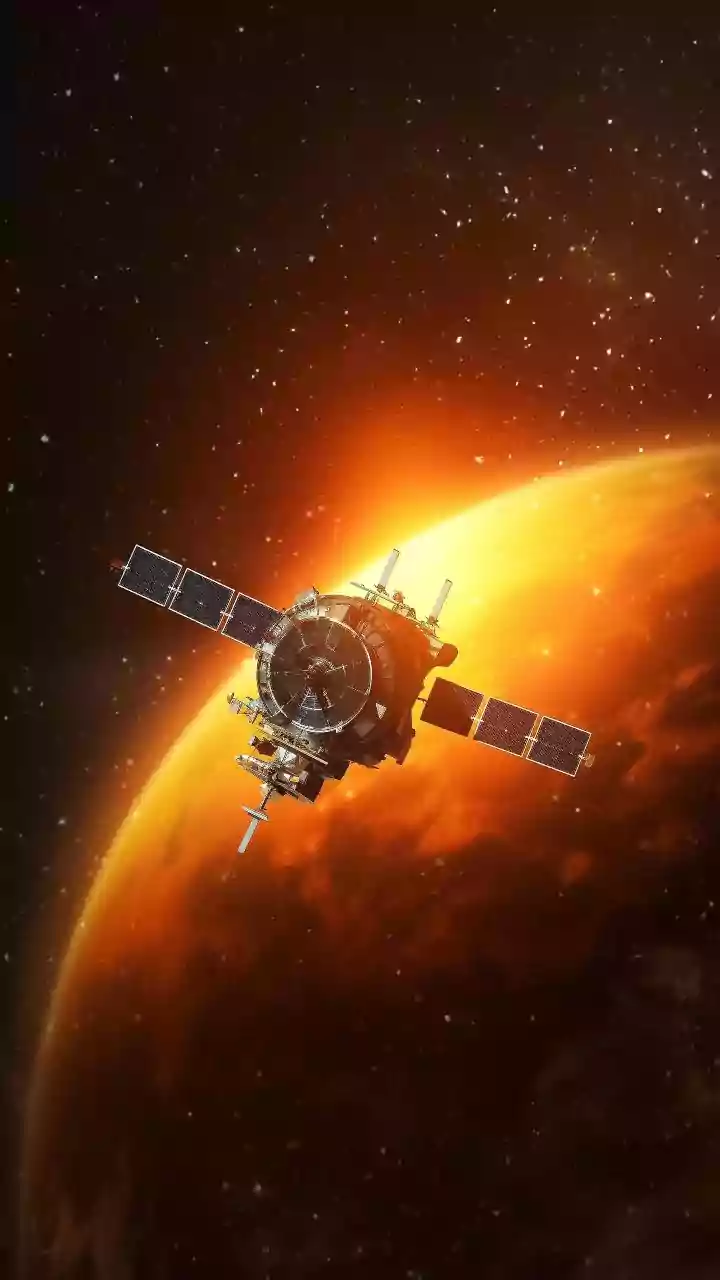
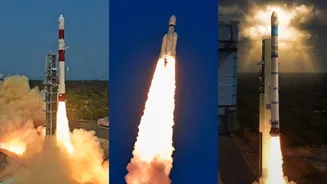
Launched in October 2024, the Europa Clipper is NASA's largest-ever interplanetary spacecraft, a sophisticated explorer on a multi-billion-mile journey to Jupiter. Its destination is Europa, a moon slightly smaller than our own but believed to contain
more than twice the amount of water as all of Earth’s oceans combined. The spacecraft isn't landing; instead, it will enter a long, looping orbit around Jupiter and perform nearly 50 close flybys of Europa, some as low as 25 kilometers above the surface. This path allows the craft to gather detailed data while minimizing exposure to Jupiter's intense radiation. Currently on its way, the Clipper is scheduled for a crucial Earth gravity assist in December 2026 before it's flung toward Jupiter, with arrival expected in April 2030.
Peering Beneath the Ice
The key to understanding Europa is getting a look beneath its icy shell, which could be 10 to 20 miles thick. To do this, the Clipper is equipped with a powerful instrument called the Radar for Europa Assessment and Sounding: Ocean to Near-surface, or REASON. This ice-penetrating radar is the only instrument on the mission that can look directly into the ice shell. It works by sending out radio waves at two different frequencies (9 and 60 MHz) that can pass through ice but bounce off liquid water or other materials. By measuring the time it takes for these signals to return, scientists can map the thickness of the ice, search for the definitive boundary of the ocean below, and even identify potential pockets of water trapped within the shell.
Why Europa Is a Prime Suspect
For decades, scientists have considered Europa one of the most promising places in the solar system to search for extraterrestrial life. Life as we know it requires three main ingredients: liquid water, essential chemical elements, and an energy source. Evidence strongly suggests Europa has all three. Previous missions confirmed the likely existence of a massive saltwater ocean. Scientists believe the necessary chemical building blocks for life, like carbon and hydrogen, are present from the moon’s formation and impacts from comets and asteroids. The energy could come from Jupiter's immense gravity, which squeezes and flexes the moon, possibly creating heat and driving chemical reactions on the seafloor, similar to hydrothermal vents on Earth.
Searching for Habitability, Not Aliens
It’s important to clarify that Europa Clipper is not a life-detection mission; it won't be looking for alien organisms. Instead, its primary goal is to determine if Europa has habitable environments—places that could potentially support life. The mission's nine science instruments will work together to build a complete picture of the moon. Cameras will map the fractured surface in unprecedented detail, while spectrometers analyze the composition of surface materials and its thin atmosphere. These instruments will search for clues about the ocean's chemistry and look for areas of recent geologic activity, such as plumes of water vapor that might be venting from the ocean into space. Flying through one of these plumes would give Clipper a direct sample of the ocean's contents.