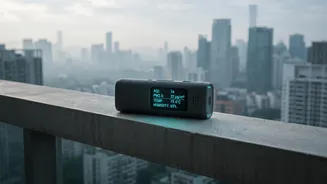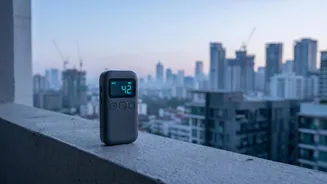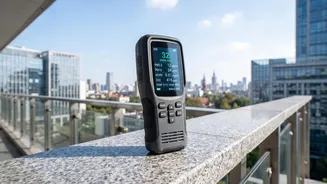








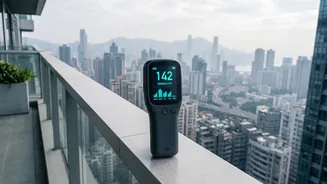
As smog and haze become a recurring health concern across India, knowing the quality of the air you breathe is no longer optional. Having real-time, hourly Air Quality Index (AQI) data on your phone is the first step toward protecting your health.
Understanding the Air Quality Index (AQI)
Before
diving into the apps, it's crucial to understand what the numbers mean. The AQI is a tool that translates complex pollutant data into a single number, a colour, and a health advisory. Launched by the Central Pollution Control Board (CPCB), it simplifies air quality communication for everyone. The index runs from 0 to 500, grouped into six categories: Good (0-50), Satisfactory (51-100), Moderate (101-200), Poor (201-300), Very Poor (301-400), and Severe (401-500). Each category corresponds to a different level of health risk, particularly for sensitive groups like children, the elderly, and individuals with respiratory or heart conditions. The primary pollutants measured are particulate matter (PM2.5 and PM10), which are tiny, harmful particles that can penetrate deep into the lungs.
SAMEER: The Official Source
Developed by the CPCB, the SAMEER app is the government's official tool for disseminating air quality information. Its biggest advantage is credibility; the data comes directly from the National Air Quality Monitoring Programme's network of stations across the country. The app provides hourly AQI updates for over 100 cities, a colour-coded breakdown of pollutant levels, and potential health impacts associated with the current reading. A standout feature is the ability for the public to register complaints about air pollution incidents like garbage burning or vehicular emissions, complete with pictures. While its interface has been described as basic, its direct pipeline to official data makes it an essential and reliable tool for anyone wanting government-verified readings.
IQAir AirVisual: Global Data, Local Detail
IQAir AirVisual is a globally recognised platform known for its comprehensive and user-friendly presentation. It provides real-time AQI data for a vast number of locations in India, often with more granular, neighbourhood-level detail than other apps. Its strength lies in combining data from government monitors, its own community sensors, and satellite imagery to provide highly accurate readings and seven-day forecasts. The app offers detailed information on specific pollutants, tracks trends, and provides a world map to visualise the flow of pollution. It also includes actionable health recommendations, advising when to wear a mask or avoid outdoor exercise. For users who want deep data, historical context, and reliable forecasts, IQAir AirVisual is a top contender.
AQI India: Community-Powered Monitoring
AQI.IN is taking a unique, community-driven approach to air quality monitoring. The platform is building a nationwide network by distributing air quality monitors, aiming to fill data gaps in areas not covered by official government stations, particularly in smaller towns and semiurban regions. This grassroots effort provides hyperlocal data on PM2.5, PM10, temperature, and humidity, all accessible through its app and web dashboard. For users in areas with limited official monitoring, this app can offer the most relevant and immediate air quality readings for their specific locality. It empowers citizens not just to consume data but to contribute to a wider understanding of pollution hotspots.
Integrated Weather Apps: Convenience First
For those who prefer an allinone solution, many popular weather apps now integrate AQI data. AccuWeather, for instance, acquired Plume Labs, a company specialising in air quality analytics, to fold hyperlocal pollution maps and forecasts directly into its weather reports. This means you can check the temperature, chance of rain, and air quality in a single glance. While these integrated apps might not offer the same depth of pollutant breakdown or historical data as specialised platforms like SAMEER or IQAir, they provide excellent convenience for a quick daily check. They are a great starting point for becoming more aware of the air you breathe during your daily commute or while planning outdoor activities.