





The Great Protein Awakening
For decades, the typical Indian diet, while rich in many nutrients, has often been quietly deficient in protein. Studies have consistently pointed to a national protein gap, with a significant portion of the population unaware of their daily protein needs
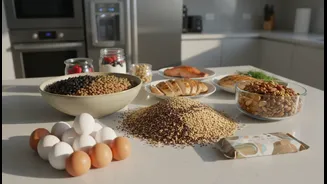
or how to meet them. Many traditional meals are cereal-heavy, and while staples like dal are protein sources, the overall intake often falls short of recommended levels. However, a shift is underway. A wave of health consciousness, accelerated by the recent global focus on immunity and wellness, has put this macronutrient in the spotlight. Consumers are now actively seeking to understand and address this nutritional gap, transforming protein from an overlooked nutrient into a household priority.
Not Just for Gym Buffs Anymore
The most significant change is who is consuming protein. Once stereotyped as “gym food,” protein is now being embraced by a much broader audience. Families, working professionals, women, and parents are all part of this new wave. Recent survey data from 2026 shows that an overwhelming 86% of Indian consumers now consider protein an important factor when choosing snacks. This demand isn't just confined to major metropolitan areas. While cities like Bengaluru lead in consumption, the fastest growth is happening in tier-2 and smaller cities like Nagpur, Jaipur, and Chandigarh, where demand is surging over 200% faster than in metros. This indicates a fundamental, nationwide shift in dietary habits, where nutrition is becoming a key driver of food choices for the entire family.
From Dal and Paneer to Bars and Bites
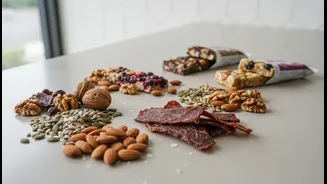
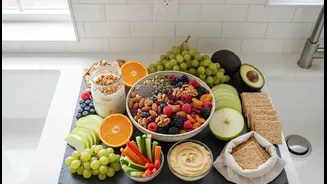
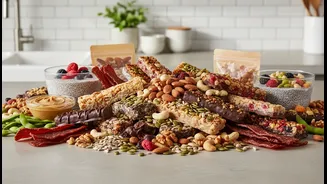
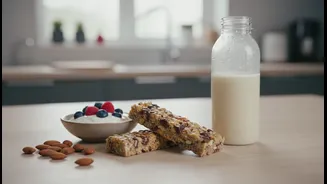
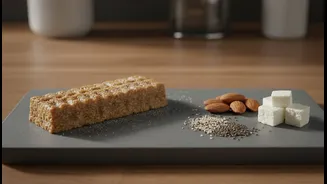
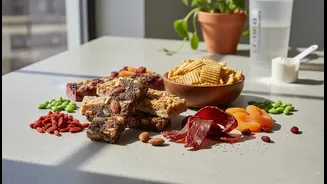
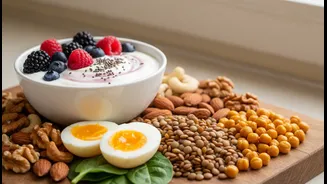
While traditional protein sources like paneer, eggs, and chickpeas remain popular, the market has exploded with innovative and convenient formats. The Indian protein-based product market, valued at over ₹38,000 crore in 2024, is projected to grow significantly. Supermarket aisles and quick-commerce apps now feature everything from protein-fortified dosa batter and breakfast smoothies to protein chips and biscuits. According to a recent report, one in three consumers is willing to pay a premium for such protein-rich products. This has prompted both legacy food giants and a host of startups to innovate, launching products that fit seamlessly into the modern Indian lifestyle, whether it's a quick breakfast or a healthy evening snack.
The Rise of Plant-Based and Clean Labels
A key driver of this trend is the compatibility of plant-based proteins with the dietary habits of a large portion of the Indian population. The country's plant protein market is experiencing robust growth, with consumers showing increasing interest in products derived from soy, peas, and other plant sources. This isn't just about vegetarianism; it's also about a demand for “clean labels.” A 2026 survey found that 62% of consumers consider ingredient transparency the most important factor when choosing a snack brand, placing it ahead of celebrity endorsements. Consumers are actively looking for products with natural sweeteners like jaggery and dates over refined sugar, signalling a desire for foods that are not just high in protein but also minimally processed and transparently sourced.
Convenience is the New Currency
The protein boom is also inextricably linked to the demand for convenience. Hectic urban lifestyles leave little time for elaborate meal preparation, making ready-to-eat and easy-to-prepare options highly attractive. Quick-commerce platforms have seen a massive 150% surge in protein-related orders, with categories like protein yogurt growing by nearly 280%. This reflects a behavioural shift where consumers are upgrading their baskets from basic essentials to “better-for-you” aspirational products. Brands are responding by offering protein in convenient formats like on-the-go shakes, instant meals, and resealable snack packs, democratising access to nutrition for busy individuals and families across the country.