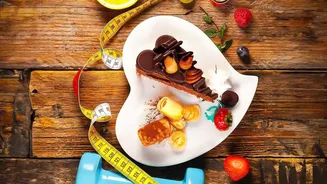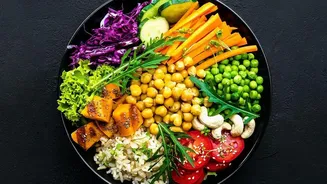






What is Portion Awareness, Exactly?
Portion awareness is not a restrictive diet; it is the practice of being conscious of how much food you choose to eat. Unlike strict calorie counting, it focuses on quantity rather than eliminating entire food groups. The goal is to find a balance that
supports your well-being while still allowing you to enjoy the foods you love. Research shows that people consistently eat more when served larger portions, so simply being aware of the amount on your plate is a powerful tool for managing intake without feeling deprived. This approach helps you build a healthier, more intuitive relationship with food, moving the focus from restriction to awareness.
The Freedom in Flexibility
One of the greatest benefits of portion awareness is its sustainability, especially during social events. Rigid diets often fail because they are hard to maintain in real-world scenarios like festivals and family dinners. Portion awareness, however, allows for moderation. You can enjoy a piece of cake or a festive snack without guilt because you are making a conscious choice. This fosters a more positive mindset, preventing the cycle of restriction followed by overeating. It’s about giving yourself permission to celebrate and enjoy special foods in reasonable amounts, which reduces stress and makes healthy habits easier to maintain long-term.
Use Your Hands as a Guide
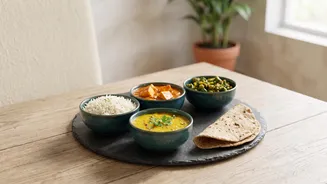
You don't need measuring cups to practice portion control. Your own hand is a convenient and personalized tool. For protein like meat, fish, or paneer, a serving is about the size of your palm. A fist-sized portion is a good measure for a cup of vegetables or a serving of carbohydrates like rice or pasta. For fats such as butter or oil, a portion is about the size of the tip of your thumb. Using these simple visual cues makes it easier to eyeball appropriate amounts whether you're at home or at a celebration, helping you build a balanced plate without any fuss.
Mastering the Celebratory Buffet
Navigating a buffet or a large celebratory meal can be overwhelming. A simple strategy is to first survey all the options before putting anything on your plate. Then, be selective. Prioritize the dishes you truly love and are excited to eat, rather than filling your plate with things you feel indifferent about. Try using a smaller plate if one is available; studies show this simple trick helps naturally reduce how much food you serve yourself. Fill half your plate with vegetables first, then add smaller amounts of richer dishes. This ensures you get a good dose of nutrients while still sampling the festive fare.
Embrace Mindful Eating Habits
Portion awareness works best when combined with mindful eating—the practice of paying full attention to your meal. It takes about 20 minutes for your stomach to signal to your brain that you are full. To help your body register this, eat slowly and savour each bite. Putting your utensils down between bites is a simple technique to slow your pace. Avoid distractions like watching TV or scrolling on your phone while you eat, as this can lead to mindless overconsumption. Instead, focus on the flavours, textures, and the enjoyment of the meal itself.
When the Party's Over
The celebration may have ended, but the sweets and snacks often linger. Instead of leaving them out on the counter, which encourages mindless grazing, put them away out of sight. Consider portioning leftovers into smaller, single-serving containers right away. This makes it a conscious choice to have a treat later, rather than an automatic habit. You can also share the bounty by re-gifting treats to neighbours or colleagues, or freeze certain items to enjoy much later. This helps you maintain a healthy environment at home without wasting delicious food.