




A Kingdom Built for Waterfalls
Lesotho is a land of superlatives. It is the only independent state in the world that lies entirely above 1,000 metres in elevation, a geographical distinction that creates the perfect conditions for dramatic waterfalls. Its rugged, mountainous terrain,
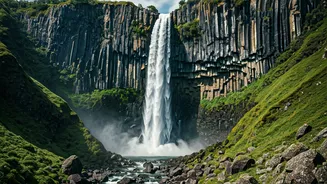
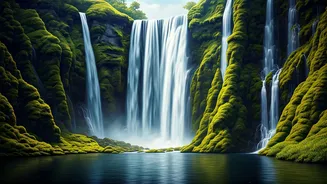
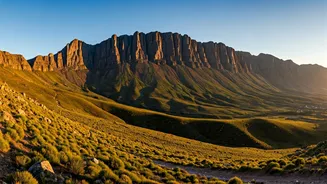
carved by rivers like the Orange and Maletsunyane, is a landscape of deep gorges, basalt cliffs, and pristine valleys. This high-altitude environment, particularly after the summer rainy season, transforms the nation into a vibrant green spectacle, with rivers swelling and cascades plunging with incredible force. This unique topography makes it a paradise for adventurers looking for raw, untouched nature far from the usual tourist trails.
The Smoke That Thunders: Maletsunyane Falls
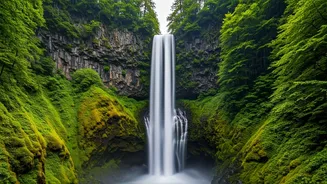
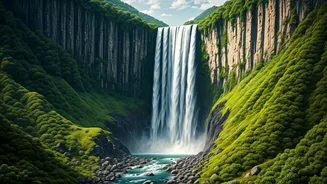
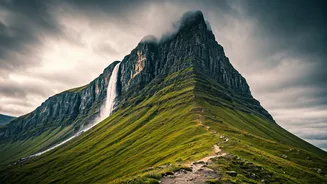
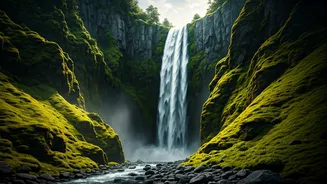
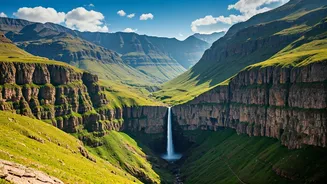
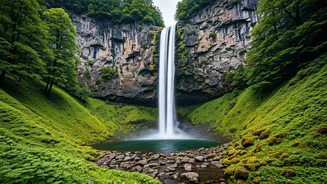
The crown jewel of Lesotho’s waterfalls is the magnificent Maletsunyane Falls. Located near the town of Semonkong, this waterfall is a single, uninterrupted drop of 192 metres (630 feet) into a stunning gorge. The sheer force of the water creates a plume of mist that rises from the canyon floor, which is why the local name for the area, Semonkong, means 'The Place of Smoke'. The sound of the falls reverberates through the gorge, a powerful echo that local legend attributes to the wails of those who have drowned. For the truly adventurous, Semonkong Lodge offers the world's longest commercially operated single-drop abseil, a 204-metre descent alongside the falls that holds a Guinness World Record.
Beyond the Main Attraction
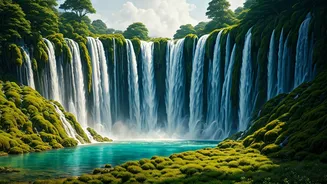
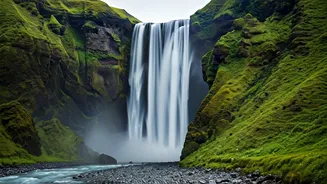
While Maletsunyane is the most famous, it is far from the only awe-inspiring waterfall in Lesotho. The country is dotted with other impressive cascades that reward those willing to explore. Ketane Falls, for instance, offers a beautiful 122-metre drop that can be reached via a multi-day pony trek through the remote Thaba Putsoa mountains. Other falls, like Boalathapo, are hidden gems that offer solitude and the chance to see rare birdlife, including Cape and Bearded Vultures that nest on the canyon cliffs. This diversity means waterfall chasers can spend days or even weeks exploring different valleys and river systems, each with its own unique character.
An Adventurer's Paradise
Visiting Lesotho’s waterfalls is rarely a simple drive to a viewpoint. The journey is an adventure in itself, often requiring a 4x4 vehicle, a sturdy pair of hiking boots, or the most traditional mode of transport: the sure-footed Basotho pony. Pony trekking is one of the most authentic ways to experience the country, allowing travellers to traverse a network of ancient bridle paths that connect remote villages. The experience is about more than just the view; it's about cultural immersion, navigating rugged landscapes, and discovering a side of Southern Africa that remains largely untouched by mass tourism. From hiking to the bottom of the Maletsunyane gorge to mountain biking across the highlands, the trip is an active pursuit.
Planning Your Waterfall Expedition
The best time to see Lesotho's waterfalls at their most powerful is during and immediately after the wet season, which runs from October to April. The months of January to March are particularly recommended for peak flow, when the landscape is at its most lush and green. However, this also means some rural roads can become muddy and challenging to navigate. For those prioritising hiking and clearer skies, the shoulder months of April, May, September and October offer a good balance. Regardless of when you visit, remember that Lesotho's high altitude means cold weather is possible year-round, especially at night, so packing warm layers is essential.