





From Niche Powders to Daily Bread
For years, the conversation around nutritional supplements in India was dominated by tubs of whey protein and pre-workout formulas, largely confined to the world of fitness enthusiasts. But that narrow focus is rapidly expanding. Today, the quest for better
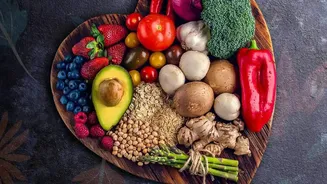
nutrition is becoming a mainstream pursuit, driven not by the desire for bulging biceps but for overall wellness, immunity, and long-term health. Consumers are now looking for their nutritional boosts not just in specialty stores, but in the grocery aisle. The new wellness cabinet is the kitchen pantry itself, stocked with everyday staples that are working harder to deliver more value.
A Post-Pandemic Health Awakening
The COVID-19 pandemic served as a major catalyst for this shift, bringing personal health and immunity to the forefront of household concerns. This period of heightened health awareness encouraged many to re-evaluate their daily dietary habits, moving from a reactive to a proactive approach to wellness. The focus turned to building a strong foundation of health through the food consumed every day. This created fertile ground for 'functional foods'—common food items that are enriched with additional nutrients like vitamins, minerals, and proteins to provide health benefits beyond basic nutrition.
The Rise of Functional and Fortified Foods
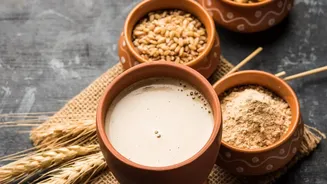
In response to this growing demand, the Indian food industry is innovating at a remarkable pace. The functional foods market in India is experiencing significant growth, with projections indicating it could reach over USD 25 billion by 2030. This trend is visible on supermarket shelves, where an increasing number of products sport a '+F' logo. This symbol, introduced by the Food Safety and Standards Authority of India (FSSAI), signifies that the food has been fortified with key micronutrients. The government's push for fortification focuses on staples like salt, milk, edible oil, wheat flour (atta), and rice, ensuring that a large section of the population can access enhanced nutrition without changing their fundamental eating habits.
The Protein-First Consumer Emerges
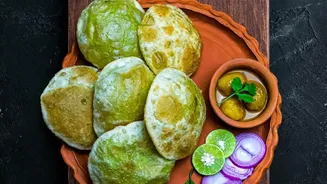
A key driver of this movement is the growing awareness of widespread protein deficiency in Indian diets. Studies have revealed that a large percentage of the population, even in urban areas, does not consume the recommended daily amount of protein. Many are unaware of how much protein they actually need, or mistakenly believe their traditional cereal-heavy diet is sufficient. In response, brands are now launching 'high-protein' versions of familiar products. From protein-fortified dosa batter and atta to paneer, yogurt, and even ice cream, companies are making it easier for consumers to bridge their nutritional gaps without drastically altering their lifestyle or palate. This strategy helps integrate better nutrition into established cultural eating patterns.
Beyond the Hype: Making Informed Choices
While the availability of fortified and high-protein foods marks a positive step towards better public health, it also places a new responsibility on the consumer. The buzz around 'protein' and 'vitamins' can sometimes be used as a marketing tool for ultra-processed foods that may not be healthy overall. Therefore, label literacy is more important than ever. Consumers are encouraged to look beyond the front-of-pack claims and read the full nutritional information to understand what they are eating. The goal is to choose products that add genuine nutritional value, not just empty calories or marketing buzzwords. This shift represents a move toward a more conscious and informed approach to eating, where every meal is an opportunity to nourish the body effectively.