



The Science of Freshness
To understand why portioning works, it helps to know the main culprits behind food spoilage: air, moisture, and cross-contamination. Most Indian sweets are delicate. Ingredients like khoya, milk, ghee, and sugar are susceptible to degradation. Air exposure,
or oxidation, is a major factor that causes fats in ghee and nuts to turn rancid, creating off-flavours. Moisture can either make dry sweets soggy or, if it escapes, turn moist sweets hard and unappetising. Finally, storing different sweets together can cause their distinct aromas and tastes to mingle, leaving you with a gulab jamun that vaguely tastes of cardamom and saffron from the barfi next to it.
Smaller Containers Mean Less Air
When you place a small number of sweets in a large container, the excess empty space is filled with air. Every time you open that container to take one sweet, you replenish the air supply, accelerating the oxidation process. This continuous exposure degrades the quality and shortens the shelf life. By portioning sweets into smaller, appropriately sized containers, you dramatically reduce the volume of trapped air. Each small batch stays sealed and protected until you're ready to eat it. This method ensures that the last laddoo you eat tastes nearly as fresh as the first, as it hasn't been repeatedly exposed to fresh oxygen.
Preventing Flavour and Bacterial Contamination
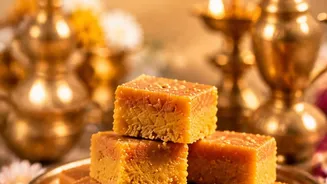
Every sweet has its own unique flavour profile. Storing a fragrant motichoor laddoo next to a creamy kaju katli is a recipe for flavour blending. Using separate containers for each type of sweet is crucial to preserving their individual tastes and aromas. This separation also serves a hygienic purpose. Spoilage often begins with one piece of mithai and spreads to others. If one sweet starts to develop mould or go stale, its proximity in a large container can contaminate the entire batch. Portioning isolates the sweets, meaning that if one small batch does go bad, the rest of your precious Diwali treats remain safe and delicious.
Controlling Moisture and Texture
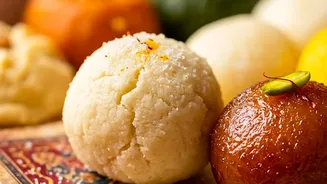
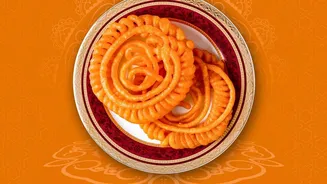
Different sweets have different moisture levels. Syrupy sweets like rasgulla or gulab jamun have high moisture, while dry sweets like shankarpali or besan laddoos have very little. Storing them together is a mistake. The moisture from the syrupy sweets will migrate to the dry ones, making them soggy and ruining their texture. Conversely, the dry environment can pull moisture from softer sweets, leaving them hard and dry. Portioning by type allows you to manage the environment for each sweet. Dry sweets stay crisp in an airtight container at room temperature, while milk-based or syrupy sweets retain their moisture and freshness in the refrigerator.
A Mindful Strategy to Reduce Waste
Festivals in India often see a spike in food waste, and uneaten sweets are a major contributor. Portioning is not just about preservation; it's a mindful consumption strategy. When sweets are in one giant box, it's easy to lose track of what you have, and some items at the bottom may be forgotten until they've spoiled. Smaller, clearly visible containers encourage you to consume what you have before opening the next batch. This 'first-in, first-out' approach ensures fewer sweets end up in the bin. It also makes gifting more practical; instead of giving one huge, overwhelming box, you can share smaller, assorted portions that are more likely to be consumed and enjoyed.
Quick Storage Tips
To maximise freshness, follow these simple rules. First, always let freshly made sweets cool down completely before storing to prevent condensation from forming inside the container. Use airtight glass or stainless steel containers, as they are non-reactive and provide a better seal than many plastics. For dry sweets like laddoos, barfis, and chikkis, store them in airtight containers at room temperature. For milk-based and syrupy sweets like pedas, sandesh, and rasmalai, refrigeration is a must. Placing parchment or butter paper between layers of sweets like kaju katli can also prevent them from sticking and provides an extra barrier against air.