




The Case for Walking: Accessible and Effective
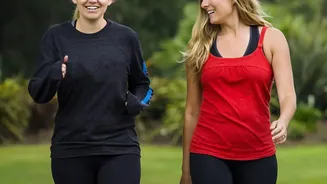
Walking is perhaps the most accessible form of exercise. It requires no special equipment beyond a comfortable pair of shoes and can be done almost anywhere. As a weight-bearing activity, walking helps strengthen the muscles that support your joints,
such as the quadriceps, hamstrings, and glutes. This muscle support is vital for stabilizing the knees and hips, which can reduce strain during daily movements. Furthermore, the gentle impact of walking helps maintain bone density, an important factor in preventing osteoporosis. The motion of walking also promotes the circulation of synovial fluid, which lubricates the joints, reduces stiffness, and nourishes cartilage that has no direct blood supply. For many, especially beginners, walking is the simplest and most functional way to build a foundation of regular movement.
The Power of Cycling: Low-Impact and Joint-Friendly
Cycling is celebrated for being an exceptionally low-impact exercise. Because the bicycle's saddle supports your body weight, it places very little stress on your knees, hips, and ankles. This makes it an ideal choice for individuals with existing joint pain, arthritis, or those recovering from certain injuries. The circular pedalling motion takes your hip and knee joints through a wide range of motion, which helps improve flexibility and reduce stiffness over time. Cycling is also highly effective at building strength in the lower body, particularly the quadriceps and hamstrings. Stronger muscles provide better support for the joints, essentially acting as shock absorbers and further reducing stress.
A Head-to-Head Comparison for Your Joints
When choosing between the two, the main difference lies in impact. Walking involves moderate, weight-bearing impact, which is good for bone health but can sometimes aggravate sensitive or arthritic joints. Cycling, being non-weight-bearing, is often better tolerated by those with significant knee or hip pain. Both exercises engage similar muscle groups, including the glutes and hamstrings, but cycling places a greater emphasis on the quadriceps. For flexibility, both activities are beneficial. Walking encourages natural joint lubrication, while cycling promotes a consistent, controlled range of motion that can ease stiffness. Ultimately, studies show that for conditions like knee osteoarthritis, both walking and cycling can effectively reduce pain and improve function.
Potential Downsides and How to Avoid Them
Neither activity is entirely without risk if not performed correctly. For walkers, improper footwear or walking exclusively on hard surfaces can lead to discomfort. For those with arthritis, walking for very long distances or on steep hills might cause a flareup. For cyclists, the biggest issue is often an improper bike fit. A saddle that is too low or too high can strain the knees and back. Pushing a gear that is too heavy instead of maintaining a comfortable spinning pace can also put unnecessary pressure on the knee joints. In both cases, listening to your body and avoiding sharp pain is crucial.
How to Choose the Right Routine for You
The best exercise is the one you will do consistently, so personal preference is key. Consider your current joint health; if weight bearing activities cause pain, cycling might be a more comfortable starting point. If you value simplicity and don't want to invest in equipment, walking is the clear winner. Your environment also matters. Do you have safe, pleasant places to walk, or are there accessible bike paths or a stationary bike available? For many, a combination of both provides the perfect balance. You might cycle on days you want a more intense, joint sparing cardio session and walk on days you want to focus on functional movement and bone health.
Building a Sustainable Habit
Whether you choose walking, cycling, or both, the key to long term success is to start slowly. Aim for 20–30 minutes per session a few times a week than gradually increase the duration or intensity as your fitness improves. Focus on proper form. For walking than this means maintaining good posture. For cycling than ensure your bike is adjusted correctly for your body. Don't get discouraged by a lack of immediate results. The benefits to your joints than muscles than and overall health are cumulative. The goal is to build a habit that feels good and becomes an enjoyable part of your life than not a chore.