



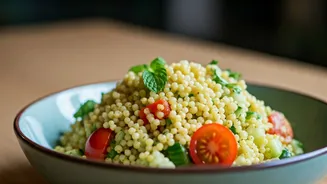




Peak Flavour and Freshness
There's a reason a summer mango tastes infinitely better than a winter one. Produce that is picked at its peak of ripeness, having been naturally matured on the vine or tree, simply has a superior flavour and texture. [18] Out-of-season produce is often
harvested early to withstand long-distance shipping and may be artificially ripened with gas, processes that compromise its natural sweetness and vibrancy. [4] When you eat seasonally, you are consuming food that is fresher, as it has spent less time in transit and storage, resulting in a more delicious and satisfying culinary experience. [9, 24]
Maximum Nutritional Value
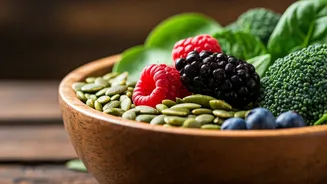
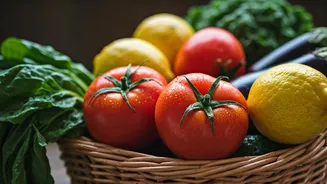
Just as the taste is better, the nutritional content of seasonal food is often higher. [18] Fruits and vegetables accumulate the highest levels of vitamins, minerals, and antioxidants when they are allowed to ripen fully in their natural environment. [2, 25] Studies have shown that the longer produce is stored and the farther it travels, the more its vital nutrients degrade. [18] For instance, the Vitamin C content in a freshly picked, in-season tomato can be significantly higher than in one that has been transported across the country. [4] Eating with the seasons also naturally introduces more variety into your diet, which is beneficial for gut health and ensures a wider range of nutrient intake throughout the year. [4, 14]
Friendlier to Your Finances
Choosing seasonal produce is a simple way to reduce your grocery bills. The basic economic principle of supply and demand comes into play: when a fruit or vegetable is in season, it is abundant, and this surplus drives down prices. [9, 12, 14] Conversely, out-of-season items are more scarce and incur extra costs for transportation, refrigeration, and special growing conditions, expenses that are ultimately passed on to the consumer. [11, 14] By visiting your local farmers' market or paying attention to what's plentiful at the sabziwala, you can enjoy fresh, high-quality produce at its most affordable. [9, 12]
A Lighter Environmental Footprint
Your dietary choices have an environmental impact, and eating seasonally is a significant step towards sustainability. Locally sourced, seasonal food dramatically reduces "food miles," the distance your food travels from farm to plate. [7] This cuts down on greenhouse gas emissions from transportation. [5, 8] Furthermore, seasonal crops are adapted to the local climate and require fewer resources like artificial heating, lighting, and excessive irrigation. [5, 8] Supporting local, seasonal agriculture also helps preserve biodiversity and promotes healthier soil through practices like crop rotation. [6, 8]
What's In Season Now in India?
As we are in the midst of the Indian summer (March to June), nature provides foods that are perfectly suited to the heat. [4] These fruits and vegetables are often high in water content to help with hydration. [22] Look for cooling cucumbers, bottle gourd (lauki), bitter gourd (karela), and pumpkin. [15, 20] It's also the peak season for some of India's most beloved fruits. Indulge in juicy mangoes, watermelons, muskmelons (kharbuja), litchi, and jamun. [4, 23] These are not only delicious but are packed with vitamins and electrolytes that your body needs during warmer months. [4, 16]