





The Kharif Lifeline
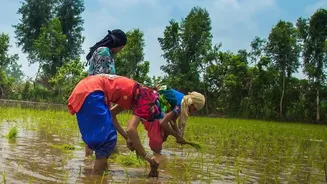
The Kharif season, which coincides with the southwest monsoon from June to October, is the backbone of India's agriculture. It's when farmers plant water-intensive crops like rice (paddy), maize, soybean, cotton, and various pulses. These crops are critically
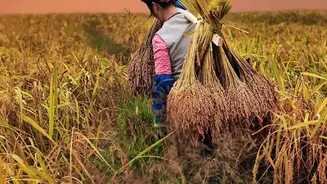
dependent on monsoon rains, which provide about 70% of India's annual rainfall. A successful Kharif harvest is not just vital for ensuring food security for the nation's 1.4 billion people; it also drives the rural economy, supporting the livelihoods of millions of farmers and agricultural labourers. The performance of this single season has a cascading effect on inflation, consumer demand, and the country's overall GDP.
A Season of Patchy Rains
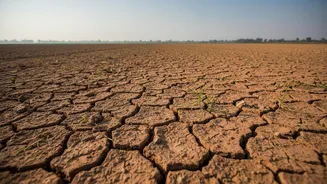
The 2026 monsoon season has been a story of contrasts. After a concerningly dry June, rainfall picked up significantly in July, helping to accelerate sowing activities that had lagged. However, the revival has been far from uniform. As of mid-August, the cumulative rainfall deficit for the country stood at around 12% below the long-period average. More importantly, the distribution has been highly uneven. While some regions, like parts of western and central India, have received ample to excess rain, others, particularly in the east and south, continue to face significant shortfalls. According to the India Meteorological Department (IMD), this patchiness is a major concern, with nearly half of the country's districts experiencing deficient rainfall as of early August.
Sowing Catches Up, But Concerns Remain
Despite the erratic monsoon, farmers have worked hard to close the planting gap. Total Kharif sowing, which was lagging significantly, has caught up. As of August 14, the total sown area was just over 2% below the previous year's level. Sowing of oilseeds has actually surpassed last year's figures, driven by gains in groundnut and sesamum. However, the acreage for critical crops like rice and maize remains down by 3-4% compared to the same period in 2025. With the main sowing window now largely closed, the final output no longer depends on how much more area can be planted, but on the yield from the existing crops. This is where the monsoon's performance in the coming weeks becomes absolutely critical.
The Yield Question
The fate of the harvest now rests on the growth phase of the crops, which requires consistent moisture. Forecasts for the remainder of August and September are mixed. The IMD has projected below-normal rainfall for the second half of the season, influenced by strengthening El Niño conditions, which typically suppress the Indian monsoon. However, other forecasts suggest that a series of low-pressure systems forming in the Bay of Bengal could bring sustained rains to central, eastern, and northern India, potentially offsetting some of the negative impact. This tug-of-war between large-scale climate patterns will determine whether crops get the water they need during their crucial development stage. Deficient rains from this point could stress the crops, leading to lower productivity and a smaller final harvest, even if the sown area was near normal.
Economic Ripple Effects
The outcome of the Kharif harvest will have far-reaching economic consequences. Lower-than-expected production of key staples like rice and pulses could fuel food inflation, a persistent worry for policymakers and household budgets. A weak harvest also dampens rural incomes, which in turn suppresses demand for goods and services, from tractors to consumer products, impacting corporate earnings and overall economic growth. Furthermore, water reservoir levels in many parts of the country, particularly the south, are significantly lower than last year and below the 10-year average, raising concerns for both the current crop and the upcoming Rabi (winter) sowing season.