






Prepare Before You Leave
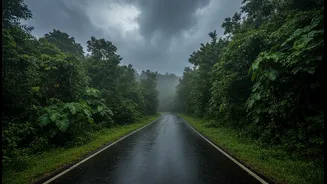
Smart travel begins before you step out the door. Always check the weather forecast from reliable sources like the India Meteorological Department (IMD) for your destination and the route you plan to take. Heavy rainfall alerts can warn you of potential
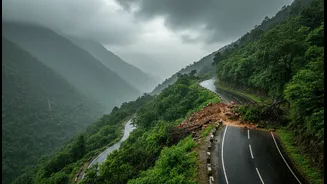
flooding or landslides. It's also wise to inform a family member or friend of your itinerary and expected travel times. Charge all your electronic devices, especially your phone, and carry a fully charged power bank, as power cuts can be common during heavy rains. Finally, choose your destination wisely; some regions are more prone to severe monsoon impacts like landslides, so it may be better to opt for places less affected by extreme weather.
On the Road: Master Monsoon Driving
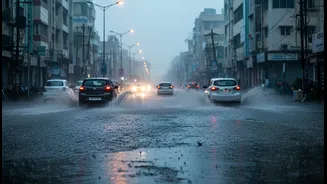
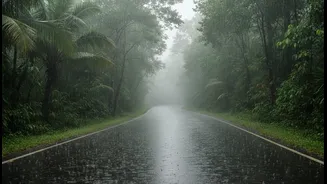
Driving during the monsoon requires your full attention. The first rule is to slow down. Wet roads significantly increase braking distances and the risk of skidding. Maintain at least double the usual distance from the vehicle in front of you. Before you start, ensure your car's essentials are in top condition: check your tyres for adequate tread, test your brakes, and make sure your windscreen wipers are working effectively. Always use your low-beam headlights during rain, day or night, to improve your visibility and help others see you. Never attempt to drive through heavily waterlogged streets if you cannot gauge the depth; it's safer to pull over and wait or find an alternative route. Be especially cautious on bridges, underpasses, and hilly roads, which can be extra slippery or prone to falling debris.
Pack a Smart Monsoon Kit
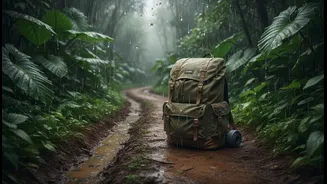
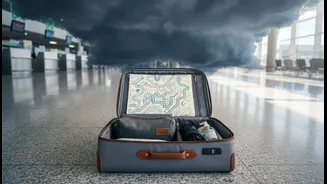
Your packing list should be adapted for wet conditions. Opt for lightweight, synthetic clothes that dry quickly, as cotton can stay damp and uncomfortable. A sturdy umbrella and a reliable raincoat are non-negotiable. Footwear is critical; choose waterproof sandals or boots with a good grip to avoid slipping on wet surfaces and to protect your feet from infections. Protect your valuables by packing electronics, documents, and wallets in waterproof bags or ziplock pouches. A basic first-aid kit with antiseptic, bandages, and any personal medications is essential. Also include a strong insect repellent, as the monsoon season sees a rise in mosquito populations and the risk of diseases like dengue and malaria.
Prioritise Health and Hygiene
The risk of water-borne and food-borne illnesses increases during the monsoon. Be extremely cautious about what you eat and drink. Avoid street food, especially items that are uncooked, have been sitting out, or are exposed to flies and moisture. Stick to freshly cooked, hot meals from clean establishments. Drink only bottled, boiled, or purified water to avoid contamination; never assume tap water is safe. Maintain personal hygiene by washing your hands frequently with soap and water or using a hand sanitiser, especially before eating. Try to stay dry as much as possible and change out of wet clothes and shoes promptly to prevent fungal infections.
Navigating Delays and Emergencies
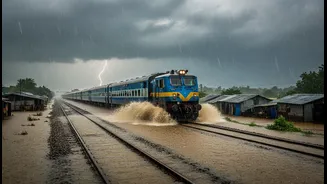
Monsoon travel often comes with delays, whether you're on the road or using public transport. It's best to build extra time into your schedule and adopt a patient mindset. If you're caught in a sudden, severe downpour while driving, find a safe place to pull over, away from trees and power lines, and wait for conditions to improve. For those using public transport, be prepared for crowded conditions and potential disruptions. Keep emergency numbers, like those for disaster management services (1070, 1077) and the national emergency helpline (112), saved on your phone. Having some light, non-perishable snacks and drinking water with you can make unexpected long waits more comfortable.