







The Power of Predictability
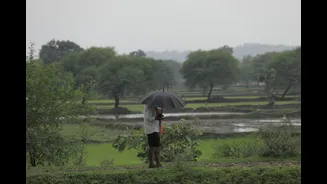
The key difference lies in one word: expectation. When a weather event is seasonal and cyclical, like India's monsoon or North India's winter fog, it becomes a known variable. This predictability, however inconvenient, transforms a potential crisis into
a logistical problem with a solution. Psychologically, knowing a disruption is coming allows for mental preparation, which reduces the stress and anxiety associated with unexpected events. Research shows that sudden, unwanted changes amplify feelings of worry and loss because they disrupt our sense of control. A predictable delay, on the other hand, allows us to adjust our plans and expectations, turning panic into patience. It becomes a shared, communal experience rather than a personal crisis.
Infrastructure on High Alert
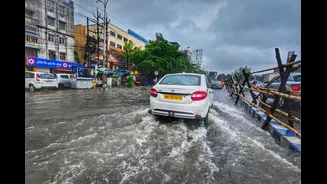
For critical infrastructure, predictability is the bedrock of resilience. Ahead of the monsoon, civic authorities and companies undertake pre-monsoon audits, clearing drains, checking electrical systems, and reinforcing structures. Airports and railways activate seasonal protocols, adjusting schedules and preparing for lower visibility. In cyclone-prone states like Odisha, emergency evacuation routes are built with materials designed to withstand high-speed winds. Similarly, cities like Ahmedabad have developed Heat Action Plans to manage extreme summer temperatures by shifting work hours for outdoor labourers and promoting the use of cool roofs. These proactive measures, planned months in advance, are designed to absorb the shock of seasonal weather, ensuring that essential services continue with minimal interruption. Unpredictable events, by contrast, often expose vulnerabilities that haven't been planned for, leading to more extensive and costly damage.
Businesses Brace for a Familiar Foe
The business world runs on forecasts, and weather is a major one. For industries from logistics to retail, the monsoon isn't a surprise; it's a quarterly business challenge to be managed. Supply chain companies build in buffer stocks for essential goods and identify alternative delivery routes to navigate potential waterlogging or road closures. Many businesses adopt flexible work policies, shifting to remote work during red alerts or adjusting office timings to help employees avoid the worst of the traffic and rain. For retailers, it means stocking monsoon-specific products and sometimes moving valuable inventory to higher ground. This operational pivot is possible because the disruption is anticipated. An unseasonal flood or storm offers no such lead time, catching supply chains off-guard and leading to significant financial losses from stalled production and lost sales.
The Chaos of the Unexpected
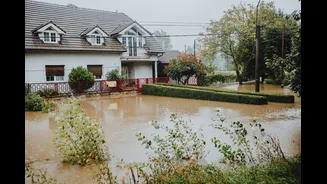
Contrast this with the fallout from an unseasonal weather event. A sudden, intense heatwave can strain power grids to the breaking point, while freak hailstorms can devastate standing crops, creating economic shocks that ripple through the agricultural sector. These events are harder to manage precisely because they fall outside the normal planning cycle. There are no pre-scheduled meetings or seasonal contingency funds for a storm that wasn't on the long-range forecast. Emergency response is reactive, not proactive, and often focuses on recovery rather than prevention. Studies show that the economic losses from these unexpected events are massive, with a vast majority of the damages being uninsured. The disruption feels more acute because systems and individuals are simply not prepared for it.