



Tonight’s Celestial Main Event
The sky is putting on a special show tonight, July 9, 2026. Just after sunset, look to the western sky to see the blazing planet Venus in a close pairing with Regulus, the brightest star in the constellation Leo. This dazzling duo will be visible even
from light-polluted areas, appearing like a brilliant double star as they slowly set. Venus is the unmistakable, super-bright object, and Regulus will be right next to it. This conjunction is the perfect excuse to start your urban stargazing journey.
Understanding Your Adversary: Light Pollution
The primary challenge for any city-based astronomer is light pollution. Stray light from streetlights, buildings, and vehicles scatters in the atmosphere, creating a persistent glow that obscures fainter stars. In India, our rapidly growing cities are hotspots of this phenomenon, making it seem impossible to see anything beyond the brightest objects. However, even in a city, not all hope is lost. Bright planets like Venus, Jupiter, and Saturn, the Moon's craters, and many bright stars are powerful enough to cut through the haze. The trick is to know where and how to look.
Strategy 1: Find Your Urban Observatory
Location is everything. While a trip to a designated dark sky reserve like Hanle in Ladakh is the ultimate dream, you can find pockets of relative darkness within the city. Seek out large parks, lakesides, or quiet residential areas away from major commercial hubs. A high-rise rooftop can also be a great option, lifting you above the immediate glare of street-level lights. The goal is to put some distance or a physical barrier, like a building or a ridge of hills, between you and the brightest light sources. Even a 30-kilometre drive out of the city centre can make a dramatic difference.
Strategy 2: Timing is Key
The best time for stargazing is on a clear, moonless night. The Moon is a significant source of natural light pollution, and its glare can wash out all but the brightest stars. The period around the new moon offers the darkest skies. For tonight's viewing of Venus and Regulus, the best time is just after sunset. For other objects, waiting until the late hours, between midnight and dawn, is often best as city lighting may be reduced and atmospheric haze can settle.
Strategy 3: Gear Up (Simply)
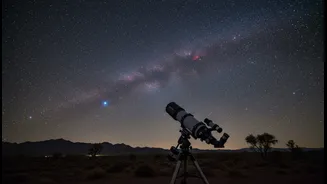
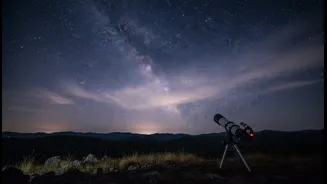
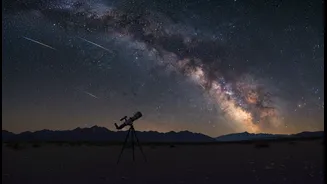
You don't need an expensive telescope to start. Your most important tools are your eyes. Allow them at least 20-30 minutes to adapt to the darkness; avoid looking at your phone's bright screen during this time. A great next step is a pair of binoculars. Standard 7x50 or 10x50 binoculars are fantastic for getting a closer look at the Moon's craters, spotting Jupiter's moons, or resolving star clusters. To identify what you're seeing, use a stargazing app. Free apps like Stellarium or Star Walk 2 can turn your phone into a real-time map of the night sky, showing you exactly what stars and planets are above you.
Patience: The Urban Astronomer's Virtue
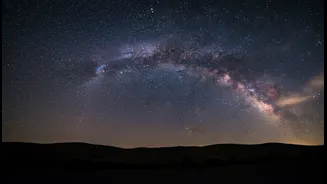
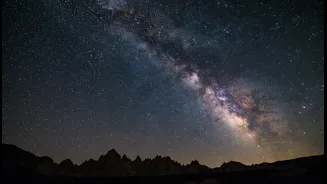
Observing from a city requires patience and managing expectations. You won't see the Milky Way's glittering core from a metro area, but you can still experience a profound sense of connection to the cosmos. Focus on the bright targets: the Moon, planets like Venus, Mars, and Saturn, and prominent constellations. There's a quiet thrill in identifying Jupiter or watching the International Space Station—a steady, bright point of light—silently glide across the sky. These moments are readily available to anyone willing to look up.