

Rethink Your Watering Schedule
Overwatering is the number one killer of indoor plants during the monsoon. With high humidity in the air, the soil in your pots dries out much slower than it does in summer. Sticking to your old watering schedule can quickly lead to waterlogged soil,
which suffocates the roots and causes root rot. The solution is simple: ditch the schedule and check the soil. Before you water, insert your finger about an inch into the soil. If it feels moist, wait another day or two. Only water when the top layer feels dry to the touch. Ensure every pot has functional drainage holes and empty any excess water from the saucer underneath to prevent the plant from sitting in water.
Chase the Available Light
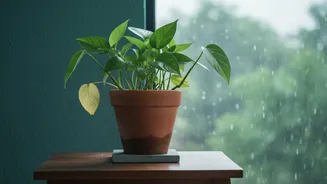
Days of persistent cloud cover mean significantly less sunlight for your plants. Photosynthesis slows down, which can lead to weak, leggy growth and loss of vibrant colour. To compensate, move your plants closer to windows where they can capture the maximum amount of available indirect light. South or west-facing windows that might be too harsh in the summer are often perfect during the monsoon. Remember to rotate your plants every few days so that all sides get some exposure to the light source. Wiping down the leaves with a damp cloth can also help, as dust accumulation can further block light absorption.
Manage Humidity and Airflow
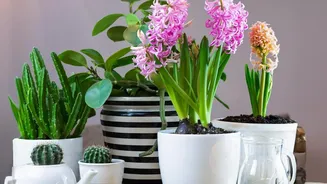
While tropical plants enjoy humidity, the stagnant, excessively damp air of the monsoon can be a problem. Poor air circulation combined with high humidity creates the perfect breeding ground for fungal diseases like powdery mildew and leaf spot. To combat this, try to improve ventilation. If possible, open windows for a few hours when it isn't raining to get the air moving. You can also group some plants together, as they create their own small, humid microclimate, but don't crowd them. Leaving space between pots is crucial for airflow, which helps keep the foliage dry and wards off fungal growth.
Watch for Pests and Fungi
The warm and wet conditions of the monsoon are a paradise for pests and fungal infections. Fungus gnats, tiny black flies that hover around the soil, are attracted to consistently moist potting mix. Mealybugs, aphids, and various fungal spots also become more common. Be vigilant and inspect your plants weekly, checking the undersides of leaves and the soil surface. If you spot pests, isolate the plant and treat it with a neem oil solution. For fungal issues, remove the affected leaves immediately. Allowing the top inch of soil to dry out between waterings is one of the best ways to deter fungus gnats and prevent mould.
Go Easy on Fertilizer and Repotting
Most indoor plants experience slower growth during the low-light days of the monsoon. Because of this, they require fewer nutrients. It's best to reduce your fertilizing frequency during this season; feeding once every 3-4 weeks is often sufficient. Heavy rains can also wash away nutrients, but for indoor plants, the main risk is burning wet roots with excess fertilizer. If you do fertilize, use a diluted liquid feed. Similarly, avoid repotting your plants during this time unless absolutely necessary. The monsoon is an ideal time for propagation due to the high humidity, but the stress of repotting combined with lower light can be tough on a plant.