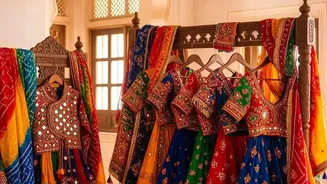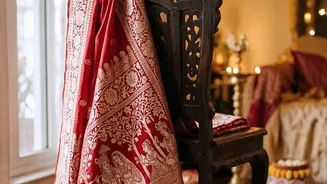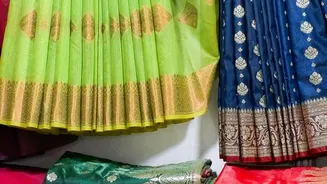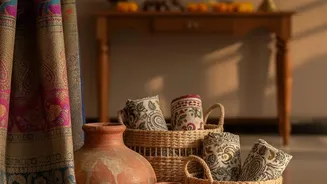


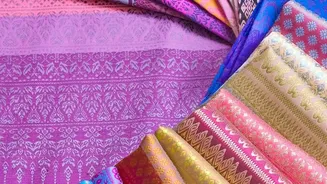
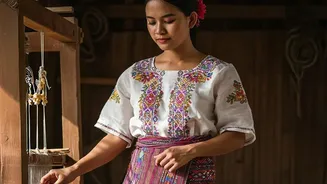
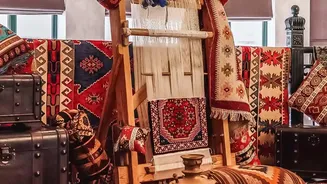
Before you discard that old saree or faded kurta, consider the stories they hold. In India, the tradition of upcycling textiles is an art form, turning worn-out fabrics into beautiful, functional, and sustainable pieces for the home.
Kantha: Stitching Stories into Quilts
Originating from Bengal,
Kantha is a testament to the beauty of simplicity and resourcefulness. The word itself is believed to come from the Sanskrit for 'rags'. Traditionally, women would layer old, soft cotton saris or dhotis and stitch them together with a simple running stitch. This wasn't just about mending; it was about creating something new. The stitches, often in contrasting threads, would form intricate motifs inspired by nature, folklore, and daily life, essentially telling a story on cloth. Today, this technique is perfect for creating lightweight quilts, bed runners, cushion covers, and even artistic wall hangings. A Kantha piece doesn't just add texture and colour to a room; it brings with it a history of ingenuity and personal expression.
Gudri: The Patchwork Heirlooms of the West
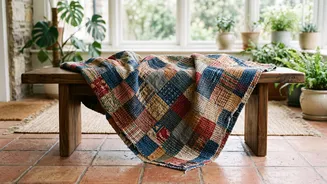
Across Maharashtra and Rajasthan, the Gudri (also known as Godhadi in Maharashtra) represents a collage of memories. This patchwork technique involves stitching together small pieces of different fabrics, often repurposed from old garments, to create vibrant quilts and bedspreads. Much like a memory quilt, each patch in a Gudri can come from a different piece of clothing, holding personal significance. The process is a beautiful example of circular design, where nothing is wasted and every scrap has potential. Gudris are often passed down through generations, becoming family heirlooms. For modern home decor, they can serve as stunning throws on a sofa, colourful bed covers, or even unique floor mats, adding a bohemian and deeply personal touch to any space.
Chindi: Weaving Waste into Wonder
The word 'Chindi' literally means 'torn cloth' or 'scrap'. This craft, popular in states like Gujarat and Rajasthan, takes fabric waste—strips of old clothes, leftover pieces from tailors, and industrial offcuts—and weaves them into something entirely new. Traditionally, these scraps are braided or woven on handlooms to create colourful and durable rugs, known as rag rugs. No two Chindi rugs are ever exactly alike, as their pattern and palette depend entirely on the scraps available. Beyond rugs, the technique can be used to make baskets, placemats, and trivets. Embracing Chindi craft in your home is a direct nod to zero-waste living, proving that even the smallest fragments can be woven together to create functional and eye-catching decor.
From Fabric to Furniture: Other Creative Ideas
The spirit of upcycling in Indian textiles isn't limited to these specific crafts. The possibilities are as varied as your wardrobe. An old silk saree with a beautiful border can be repurposed into elegant curtains or a luxurious table runner. The richly embroidered panel of a lehenga or kurta can be framed as a piece of wall art, preserving its intricate handiwork. Smaller fabric scraps can find new life as patchwork cushion covers, decorative potli bags, or even unique upholstery for a small stool or bench. By looking at old clothes not as something to be discarded, but as raw material, you can infuse your home with colour, personality, and the sustainable wisdom of Indian craft traditions.