




The Garden Hack Hiding in Your Kitchen
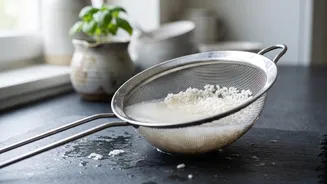
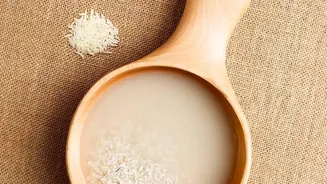
Almost every household that cooks rice performs the same ritual: rinsing the grains and pouring the cloudy water down the drain. But for generations, gardeners have saved this liquid, known in the Philippines as 'hugas bigas', believing it to be a mild
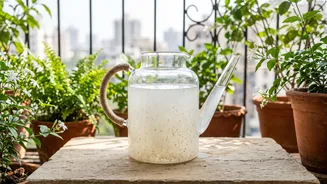
tonic for plants. This waste-not, want-not approach has found new life online, with plant enthusiasts touting rice water as a free, gentle, and eco-friendly fertiliser. At its core, rice water is simply the liquid left after washing or boiling rice. This milky fluid is rich in starch and contains small amounts of nutrients like nitrogen, phosphorus, and potassium (NPK), as well as B vitamins and other minerals that leach from the rice grains. The core idea is that these elements can give your plants a subtle boost, promoting healthier growth without the harshness of chemical fertilisers.
Potential Perks for Your Potted Plants
The primary benefit of using rice water isn't about feeding the plant directly, but rather feeding the soil. The starch in the water serves as a food source for beneficial microorganisms, like bacteria and fungi, that live in the potting mix. A thriving microbial ecosystem helps break down organic matter and makes nutrients more available for the plant's roots to absorb. Some studies have shown that fermented rice water, in particular, can significantly increase nutrient levels and even promote growth comparable to some commercial fertilisers. Fermentation boosts the presence of beneficial bacteria and lowers the pH, which is particularly helpful for acid-loving plants like tomatoes, roses, and ferns. The gentle dose of NPK and minerals can support stronger root development, leafier growth, and better overall plant health, especially during the active growing season.
A Word of Caution and Potential Risks
Despite its benefits, rice water is not a miracle cure and can cause problems if misused. One of the most common issues is applying it too frequently or in a concentrated form. The excess starch can create a hard crust on the soil surface, blocking oxygen and water from reaching the roots. This starchy, damp environment is also an open invitation for pests like fungus gnats and ants, as well as unwanted mould and harmful bacteria. If you notice a foul smell, mouldy soil, or an increase in pests, it's a clear sign to stop. Additionally, it's crucial to only ever use water from rinsing or boiling rice that is unsalted and unseasoned. Salt is toxic to most plants and will damage their roots. Finally, while rice water is a nice supplement, it is not a complete fertiliser and shouldn't replace a balanced feeding routine for hungry plants.
The Right Way to Water With Rice Water
To safely use this kitchen byproduct, a few simple rules apply. First and foremost, always allow the water to cool completely to room temperature if you've saved it from boiling rice. Hot water will shock and kill your plants. For basic, unfermented rice water from rinsing grains, you can often use it directly, though diluting it 1:1 with plain water is a safer bet to prevent starch buildup. For a more potent, nutrient-dense option, you can ferment the water. To do this, collect the rinse water in a jar, cover it loosely with a cloth, and let it sit at room temperature for two to three days until it develops a slightly sour smell. This fermented liquid is more concentrated and should be diluted, with ratios varying from 1:1 to 1:20 depending on its strength. Regardless of the type, apply it to the soil only when the plant is ready for a watering, about once every two to four weeks during spring and summer, and avoid using it when the plant is dormant.
Which Plants Appreciate the Treatment?
While many plants can benefit from a gentle rice water feeding, some respond better than others. It is particularly effective for heavy feeders and tropical houseplants that appreciate the extra boost. Leafy greens like lettuce and spinach, fruiting plants like tomatoes and peppers, and common houseplants such as pothos, monsteras, and ferns often show positive results. Flowering plants like roses may also benefit from the added phosphorus. On the other hand, you should be cautious when using it on succulents and cacti. These plants prefer lean, dry soil, and the added starch and moisture from rice water can increase the risk of root rot and fungal issues. Similarly, while some sources say orchids can benefit from a light misting of very diluted rice water, it's important to wipe off any starchy residue left on the leaves to ensure they can photosynthesise properly.