


A Symphony for the Senses
The connection between the monsoon and bhutta is a full-sensory experience. It begins with the sight of a vendor fanning charcoal embers, which glow under a grey sky. Then comes the sound of the kernels crackling over the heat, followed by the irresistible
smoky aroma that promises something warm and savoury. The ritual culminates in the vendor taking half a lemon, dipping it into a mix of salt, red chilli powder, and chaat masala, and rubbing it vigorously over the hot cob. That first bite—a burst of smoky, tangy, and spicy flavours—is the taste of the Indian monsoon itself for so many. This preparation is a masterclass in simplicity, creating a flavour profile that is hard to replicate at home.
The Great Street-Side Equaliser
In a world of gourmet cafes and exclusive restaurants, bhutta stands as a great equaliser. Its enduring popularity is significantly tied to its affordability. From students counting their pocket money to families on an evening walk and professionals heading home from work, almost anyone can afford this simple pleasure. You will find vendors on busy city roads in Delhi, along the beaches in Mumbai, and in the cool air of hill stations like Shimla, all serving this same beloved snack. This accessibility makes it a truly democratic food, enjoyed by people across all social strata. It’s a snack that doesn’t require a special occasion or a significant budget, just a craving for something real and satisfying.
A Bite of Shared Memory
More than its taste or price, bhutta is a vessel for nostalgia. For countless Indians, the flavour is a direct link to the past, evoking memories of childhood. It recalls post-school treats with friends, long family drives on rainy evenings, or taking shelter from a sudden downpour under a small awning. This powerful sense of shared memory elevates bhutta from mere food to a cultural touchstone. It represents simpler times and the comfort of a familiar ritual repeated year after year. This emotional connection is a huge part of why its appeal has endured so strongly through generations in a rapidly modernising India.
The Desi Corn Difference
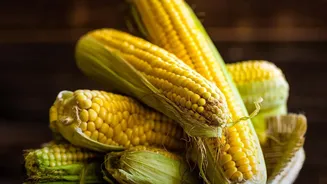
While American-style sweet corn, often served boiled in cups, is available year-round, the traditional bhutta experience is tied to a specific type of corn. Street vendors traditionally use the indigenous Indian variety, or 'desi makai'. August is often the peak harvest for this native corn, which is starchier, chewier, and has a more robust, earthy flavour than its sweeter hybrid cousin. This texture and taste make it the perfect candidate for roasting over hot coals, as the smokiness complements its natural profile. In contrast, the high sugar content of American sweet corn makes it better suited for boiling or steaming. For purists, the satisfying bite of a classic desi bhutta is an irreplaceable part of the authentic monsoon experience.
A Healthier Indulgence
In a season famous for deep-fried snacks like pakoras and samosas, bhutta stands out as a relatively healthy indulgence. Because it is roasted directly over a flame rather than fried, it’s a lighter, lower-calorie option that still satisfies the craving for something warm and savoury. Corn itself is a good source of dietary fibre, which aids digestion, and is packed with vitamins and antioxidants, including Vitamins A, B1, and C. The fact that it is served piping hot, straight from the fire, also makes it a safer street food choice during a season when water-borne ailments can be a concern. It’s a guilt-free treat that offers both flavour and nourishment.