

The Official Recommendation: How Much Protein?
The latest guidelines from the ICMR-NIN provide a clear and simple benchmark for most healthy adults. The Recommended Dietary Allowance (RDA) is set at 0.83 grams of protein per kilogram of body weight per day. For a 65 kg adult man, this equals about
54 grams of protein, and for a 55 kg adult woman, it's roughly 46 grams. It is important to note that these figures are for sedentary individuals. Those with moderately active lifestyles may need slightly more, around 1.0 to 1.2 grams per kilogram, while highly active people or athletes might require 1.2 to 1.6 grams per kilogram to support muscle repair and growth. These guidelines are tailored specifically for Indian dietary patterns, which often rely heavily on plant-based food sources.
Beyond Supplements: A Food-First Approach
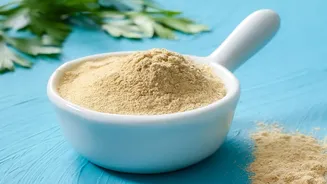
A key message in the ICMR guidelines is the emphasis on whole foods over supplements. The council advises against the routine use of protein powders to build muscle mass, noting that most people can easily meet their daily requirements through a balanced diet. Research indicates that protein intake above 1.6 grams per kilogram per day does not provide significant additional benefits for muscle gain in those doing resistance training. Furthermore, some protein supplements may contain added sugars or sweeteners, and their long-term, high-dose use could pose risks like bone mineral loss or kidney damage. The clear advice is to build your protein intake on a foundation of natural, nutrient-dense foods.
Powerhouse Plant Proteins for Every Plate
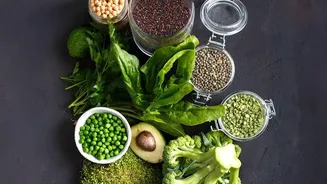
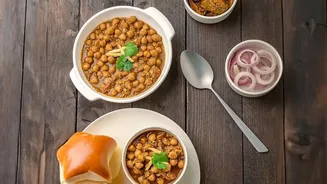
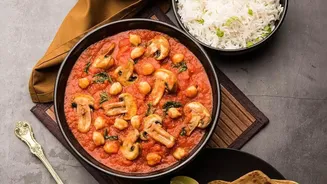
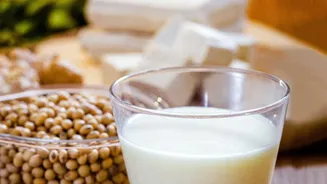
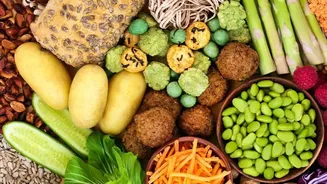
For a large portion of the Indian population, plant-based foods are the primary source of protein. The guidelines highlight a variety of affordable and accessible options. Pulses and legumes like lentils (dal), chickpeas (chana), kidney beans (rajma), and green peas are foundational. Soybeans and their products are also excellent sources. Nuts and seeds, including almonds, walnuts, pumpkin seeds, and sesame seeds, provide a powerful protein punch along with healthy fats. The ICMR also recommends including a variety of millets such as jowar, bajra, and ragi, which contribute to the overall protein and fibre content of the diet. A diverse mix of these plant foods is key to a well-rounded intake.
The Art of Protein Pairing
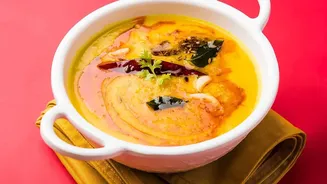
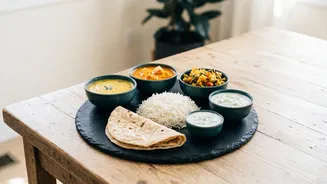
One of the most practical insights from the guidelines is the concept of protein quality and pairing. Most plant-based proteins are 'incomplete,' meaning they lack one or more essential amino acids. However, combining different plant foods can create a complete amino acid profile. The classic Indian meal of dal and rice is a perfect example. Cereals like rice are typically low in the amino acid lysine, which pulses like dal are rich in. Conversely, pulses are lower in methionine, which cereals contain. The ICMR suggests that combining cereals and pulses in a 3:1 ratio significantly improves the protein quality of a meal. Adding milk or curd to this combination further enhances its nutritional value.
Affordable Animal-Based Sources
For non-vegetarians, the guidelines also recommend several high-quality animal protein sources. Milk, curd, and paneer are excellent options that fit into both vegetarian and non-vegetarian diets, providing high-quality protein and calcium. Eggs are highlighted as an affordable and complete protein source. Lean meats, poultry, and fish are also recommended for their rich protein content. The key is moderation and balance. Rather than relying on a single source, incorporating a variety of both plant and animal-based foods (for non-vegetarians) ensures a wider spectrum of nutrients.