







Understanding the Enemy: What Causes Musty Odours?
That distinct 'old clothes' smell is primarily caused by one thing: moisture. When clothes are stored in a damp or poorly ventilated environment, it creates the perfect breeding ground for mould and mildew, which release gases that cause the odour. Even
clothes that feel dry can retain small amounts of moisture. Compounding the problem are invisible culprits like body oils, sweat, and skin cells left on fabrics after wearing. When sealed in a container without airflow, these organic residues break down over time, contributing to the stale smell. Therefore, the battle against mustiness is really a battle against moisture and for cleanliness.
The Breathable Bag Advantage
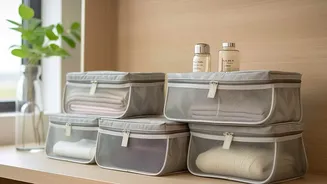
This is where your choice of storage container becomes critical, and breathable bags are a top contender for a reason. Unlike airtight plastic, storage bags made from natural, breathable materials like cotton or canvas allow air to circulate freely around your garments. This airflow is essential because it helps release any residual moisture trapped in the fabric, preventing the damp conditions that mildew needs to thrive. Textile conservation experts at museums often use breathable cotton to protect valuable and historic garments, a testament to its effectiveness for long-term preservation. By letting fabrics 'breathe', these bags stop odours before they can even start, keeping clothes fresh for months.
A Word of Caution on Plastic Bins
Plastic bins and vacuum-sealed bags are popular for their ability to protect clothes from dust, pests, and water damage. However, for preventing musty smells, they can be a double-edged sword. Their airtight nature means that any moisture sealed inside with your clothes stays there. If a garment is even slightly damp when packed, the lack of air circulation creates a tiny, humid incubator perfect for mildew growth. While these containers are useful for short-term transport or if you are storing clothes in a potentially damp area like a basement, they require extra care. For long-term storage of natural fibres like wool, silk, or cashmere, which need to breathe, breathable bags are a safer bet to avoid fabric damage and yellowing.
Preparation is Everything: The Golden Rules of Storage
The right bag is only half the battle. How you prepare your clothes is just as important. First and foremost, wash or dry-clean every single item before it goes into storage. This removes the body oils and invisible stains that can set over time and feed odour-causing bacteria. Second, ensure every piece is completely, thoroughly dry. Even a hint of dampness is an invitation for mustiness. Consider running an extra dry cycle for thicker items. Finally, let clothes cool down completely after drying or ironing, as packing them while warm can trap steam inside the container.
Location, Location, Location
Where you store your clothes matters immensely. The ideal environment is cool, dark, dry, and well-ventilated. A bedroom closet or space under the bed is often a better choice than an attic, garage, or basement, where temperature and humidity can fluctuate dramatically. These extreme swings cause the air inside a container to expand and contract, leading to condensation on your clothes. Try to avoid packing storage containers so tightly that air cannot circulate between them. If possible, elevating them off the floor on shelves or pallets provides an extra layer of protection against potential dampness.
Adding a Final Touch of Freshness
For extra peace of mind, consider adding a natural deodorizer and moisture absorber to your storage containers. Cedar blocks or chips are a classic choice, as they help repel moths while imparting a pleasant scent. Sachets filled with dried lavender are another great option. For powerful, unscented moisture absorption, you can use activated charcoal bags, silica gel packets, or even an open container of baking soda. These work to trap excess humidity, providing an additional line of defence against the conditions that lead to musty smells.