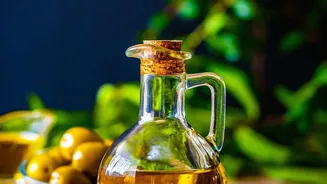




The Cold-Pressed Advantage
Before we dive into specific oils, what does 'cold-pressed' even mean? It's a method of oil extraction where seeds or nuts are crushed and pressed without using high heat or chemical solvents. This gentle process is key. Unlike industrial refining, which
strips away nutrients for a longer shelf life, cold-pressing retains the oil's natural flavour, aroma, and a wealth of beneficial compounds like antioxidants, vitamins, and healthy fats. Think of it as the difference between fresh juice and a concentrate. The result is an oil that’s not just a cooking medium, but an active ingredient that contributes character and nourishment to your food.
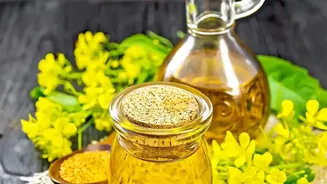
Mustard Oil: The Pungent Powerhouse
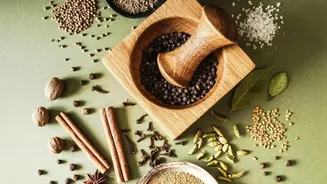
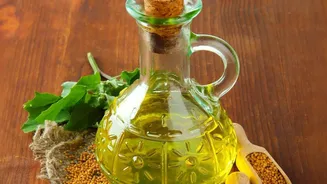
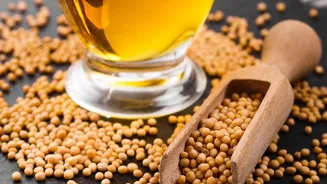
Known as 'sarson ka tel', cold-pressed mustard oil is the soul of many regional cuisines, especially in Bengal, Punjab, and Eastern India. Its signature pungency comes from a compound called allyl isothiocyanate, which mellows into a warm, nutty flavour when heated correctly. With a high smoke point around 250°C, it's excellent for high-heat cooking. Use it for deep-frying pakoras and fish, where it creates a uniquely crispy crust. It's also the traditional choice for making pickles, as its natural antimicrobial properties act as a preservative. For everyday cooking, heat the oil until the first wisp of smoke appears to temper its sharpness before adding spices for a tadka or building the base of a flavourful curry like 'shorshe ilish' (mustard fish curry).
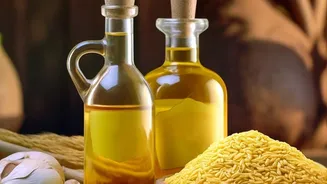
Sesame Oil: The Aromatic Enhancer
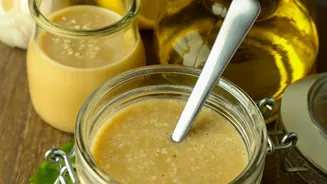
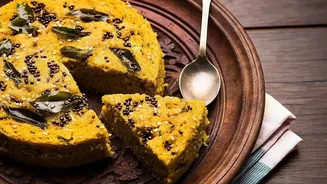
Often called 'til ka tel' or 'gingelly oil', cold-pressed sesame oil is a staple in South Indian and some Asian cuisines. It has a distinct nutty aroma and is rich in heart-healthy unsaturated fats and antioxidants like sesamol. With a smoke point of about 177°C to 210°C, it's ideal for tempering, sautéing, and stir-frying. In South India, it’s the classic choice for the 'tadka' in dishes like sambar and rasam, where it carries the flavour of mustard seeds and curry leaves beautifully. It’s also drizzled raw over idlis and dosas, often mixed with 'podi' (spice powder), for an added layer of flavour and richness. Its robust flavour means a little goes a long way, making it perfect as a finishing oil to elevate a simple dal or vegetable dish.
Groundnut Oil: The Versatile All-Rounder
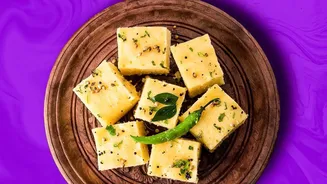
Cold-pressed groundnut oil, or 'moongphali ka tel', is cherished for its versatility and mild, nutty flavour that doesn't overpower food. This makes it a fantastic all-purpose cooking oil, especially popular in the cuisines of Gujarat, Maharashtra, and other parts of Western and Central India. It boasts a high smoke point, typically around 160-180°C for cold-pressed varieties, making it one of the best and safest oils for deep-frying Indian snacks like samosas, bhajiyas, and puris. The food absorbs less oil, resulting in a lighter, less greasy feel. Beyond frying, its neutral character makes it perfect for sautéing vegetables, preparing curry bases, and everyday cooking where you want the spices to be the star.