
The End of the Beige Age
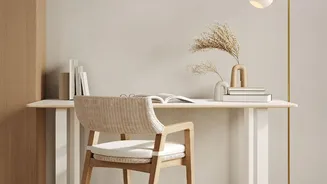
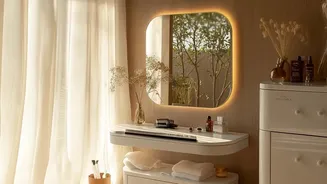
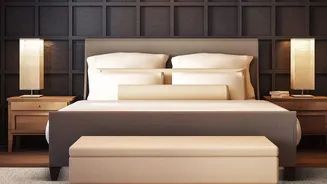
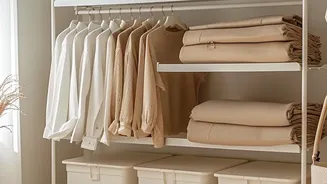
It’s hard to pinpoint exactly when it happened, but at some point in the early 2020s, a specific shade of calm took over. Influenced by minimalist ideals and the 'quiet luxury' movement, homes became swathed in beige, cream, and greige. It was an understandable
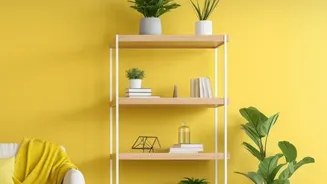
reaction; in a chaotic world, these spaces felt like a sanctuary. The look was clean, sophisticated, and offered a straightforward formula for a stylish home. However, after years of this muted domination, what once felt calming began to feel a bit one-note. Designers and homeowners are now reporting a collective desire to move beyond safe choices and create homes that tell a more personal story.
Why We Crave Contrast and Comfort
The reversal isn't just about aesthetics; it reflects a deeper cultural shift. After spending more time at home than ever before, people are reimagining their spaces not as sterile showrooms, but as environments that need to be functional, comfortable, and emotionally restorative. This has given rise to concepts like 'comfortcore' and 'dopamine decor,' which prioritize creating joy and a sense of personal expression. The goal is no longer a perfect, untouchable space but a layered, lived-in home that reflects the owner's personality and journey. The starkness of pure minimalism is giving way to a version that allows for more warmth, soul, and individuality.
Defining Today's Warmer Contrasts
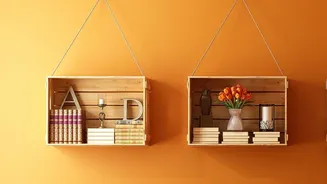
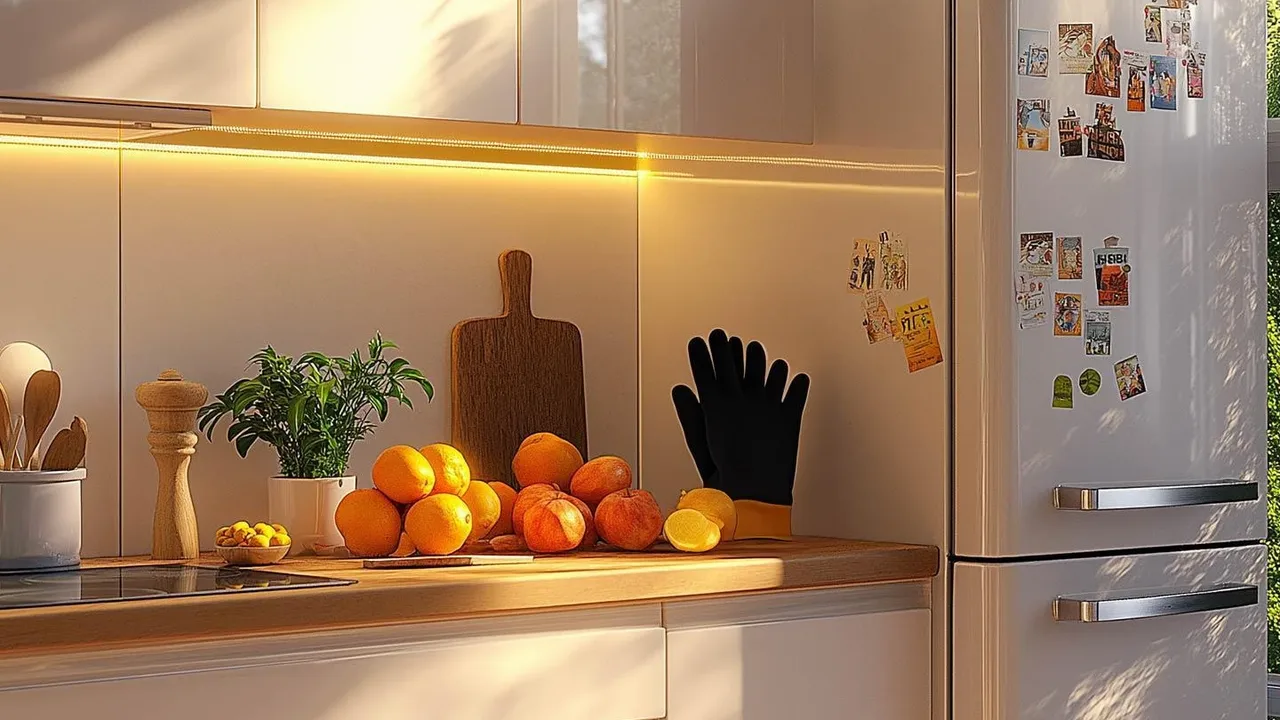
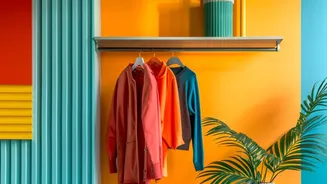
When designers talk about 'warmer contrasts,' they aren't suggesting a return to the chaotic colour schemes of decades past. Instead, the focus is on a rich and sophisticated palette drawn from nature. Think less about primary colours and more about deep, earthy tones. Rich terracottas, dusky pinks, mossy greens, and even moody blues are being used to add depth and character. These colours are often paired with natural materials that provide textural contrast, such as warm wood tones like walnut, stone, and rich metals like brass. The idea is to create a palette that feels grounded, nuanced, and timeless.
How to Evolve Your Beige Space
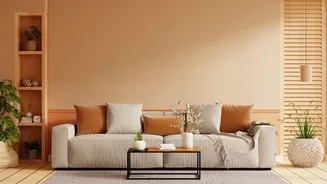
The good news is that you don't need to scrap your existing decor. A beige room is a perfect canvas, not a mistake. The key is to think of it as a base layer. Start small by introducing one or two new elements. This could be a pair of accent chairs in a soft mauve or butter yellow, or simply swapping out neutral cushions for ones in deep olive or burnt orange. A statement rug with multiple colours can instantly tie a room together and 'un-beige' a space. Even adding a few pieces of dark wood furniture or framing art with black frames can provide the grounding contrast that a neutral room needs to feel dynamic.
Layering Textures, Tones, and Light
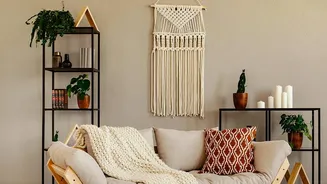
The secret to a rich, inviting room lies in layering. If your walls and sofa are beige, focus on adding a variety of textures. Combine a chunky knit throw with velvet pillows and a linen curtain. Use different tones within the same colour family — pair a warm camel with a cooler taupe and a creamy ivory to stop the space from feeling flat. Finally, pay attention to lighting. A mix of light sources at different heights creates pockets of warmth and shadow, adding another layer of visual interest. The goal is to create a space that feels complex and considered, drawing the eye around the room and inviting you to settle in.