

Packing a lunch that is both healthy and exciting can feel like a daily puzzle. Whole grains offer a simple, powerful solution. They provide sustained energy and essential nutrients, making them a cornerstone of a truly balanced meal.
Why Whole Grains Matter
Unlike refined grains
like white rice or maida, which have been stripped of their most nutritious parts, whole grains contain all three components of the kernel: the bran, germ, and endosperm. This means they are packed with dietary fibre, B vitamins, iron, magnesium, and antioxidants. A diet rich in whole grains supports better digestion, can help manage weight by making you feel fuller for longer, and contributes to heart health by helping to improve cholesterol levels. Incorporating them into your diet can also lower the risk of developing type 2 diabetes by helping to prevent spikes in blood sugar.
Introducing Millets: The Versatile Super Grain
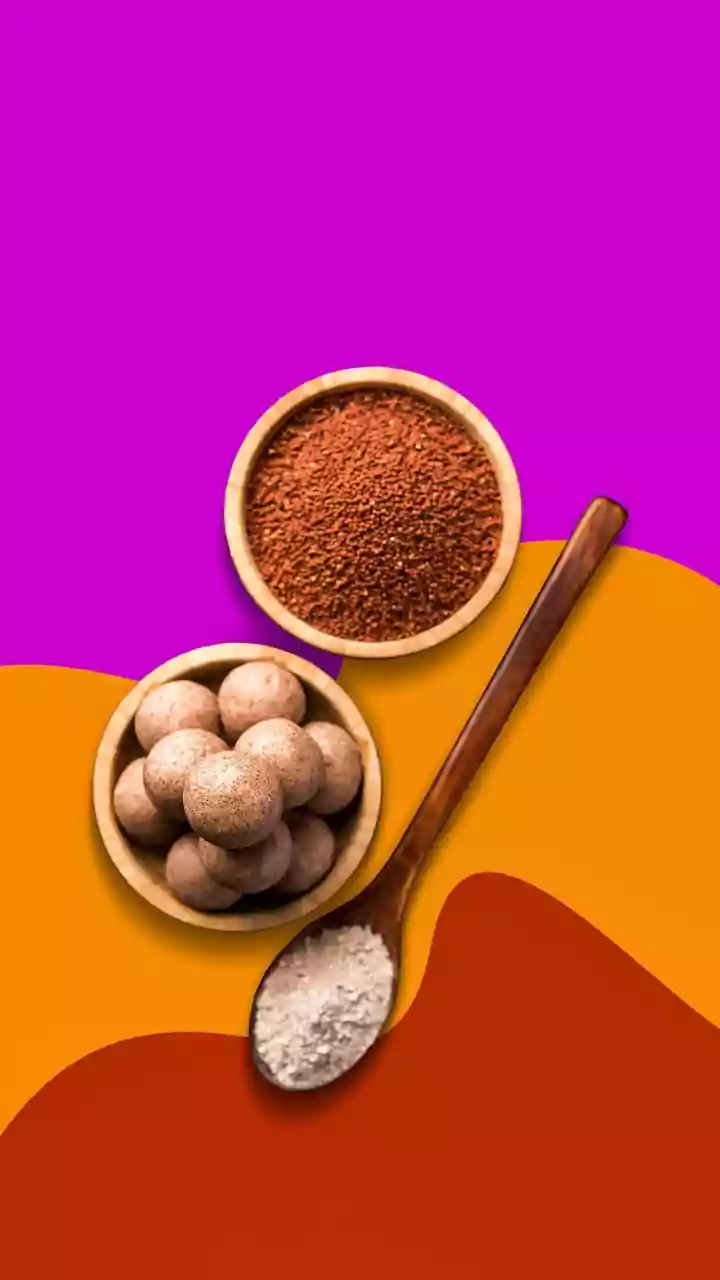
Millets are a family of ancient, small-seeded grains that have been a staple in Indian cuisine for generations. Varieties like foxtail millet (kangni), finger millet (ragi), pearl millet (bajra), and barnyard millet (samak) are naturally gluten-free and packed with nutrients. For instance, ragi is renowned for its high calcium content, while others provide a wealth of protein, fibre, and essential minerals like iron and phosphorus. Their low glycemic index means they release energy slowly, keeping you active and focused throughout the afternoon without the post-lunch slump.
Millet Pulao: The Perfect Lunchbox Solution
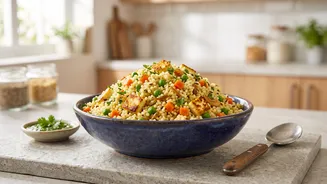
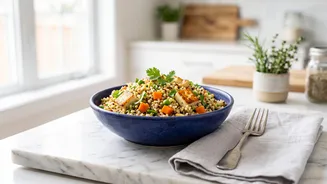
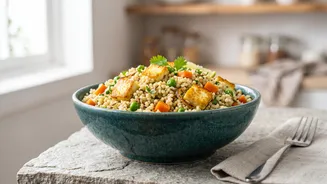
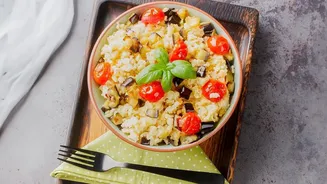
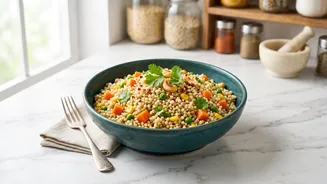
Millet pulao is an ideal way to introduce these powerhouse grains into your family's diet. It’s a one-pot meal that is both flavourful and incredibly easy to adapt. Think of it as a healthier, fluffier version of your standard rice pulao. You can use almost any type of millet, though foxtail and Kodo millets are particularly great for beginners as they cook up light and separate, similar to rice. The pulao can be loaded with seasonal vegetables like carrots, peas, and beans, along with mild spices such as cumin, turmeric, and cardamom, making it a complete and satisfying meal.
How to Build a Balanced Lunchbox
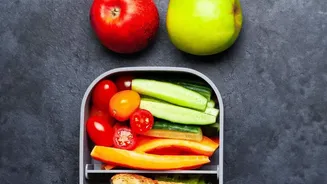
A balanced lunch isn't just about one dish; it's about combining different food groups. A good formula is to fill about a quarter of the lunchbox with a whole grain, a quarter with a lean protein, and the remaining half with vegetables and a piece of fruit. When millet pulao is your centrepiece, you’ve already covered your whole grain and a portion of your vegetables. To complete the meal, pair it with a side of protein-rich raita (curd), a small bowl of dal or chickpeas, a boiled egg, or some paneer. This combination ensures you get sustained energy from the carbs, muscle-supporting protein, and essential vitamins from the veggies.
Tips for Perfect, Fluffy Millet Pulao
Cooking millets can seem intimidating, but a few simple tips guarantee success. First, always rinse your millets thoroughly to remove any impurities. Soaking them for at least an hour (or longer for harder millets like bajra) is highly recommended; this reduces cooking time and makes them easier to digest. A general water-to-millet ratio is 2.5 parts water to 1 part millet, but this can vary slightly by type. To enhance the flavour, you can lightly toast the dry millet in the pan for a few minutes before adding water. Once cooked, let it rest, covered, for 5–10 minutes before fluffing it gently with a fork to separate the grains.