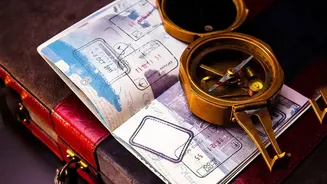






What is Culture-First Travel?
For years, a successful trip was measured by how many famous sights you could cram into a week. Today, a new philosophy is taking hold: culture-first travel. This approach encourages travellers to slow down and prioritise authentic engagement over a packed
schedule. It’s about understanding the heart of a place, not just seeing its monuments. It means choosing experiences that support local communities, seeking out conversations, and approaching your destination with curiosity and humility. The goal is to move from being a passive tourist to an engaged guest, creating a journey that is more memorable for you and more respectful to the people whose home you are visiting.
Why Local Etiquette Matters More Than Ever
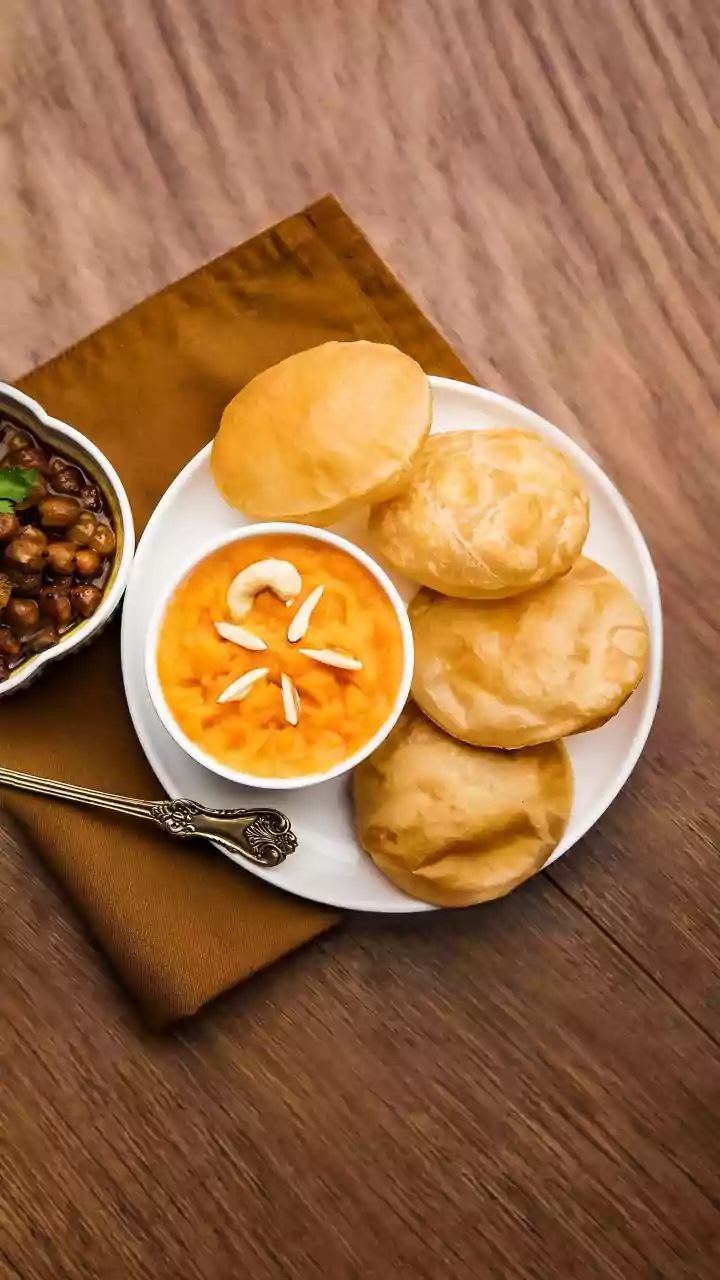
In an increasingly connected world, awareness of local customs has become crucial. It's not about memorising a long list of rules, but about showing respect. Simple gestures, like using the traditional greeting or dressing modestly at religious sites, can transform an interaction from a simple transaction into a moment of genuine connection. Indians, for example, are known for their hospitality and often welcome visitors who show interest in their traditions. In a country where the philosophy of “Atithi Devo Bhava” (The Guest is God) is deeply ingrained, reciprocating with courtesy builds bridges and helps avoid accidental misunderstandings. This respect is the foundation of positive cross-cultural interactions and responsible tourism.
Your Pre-Trip Etiquette Checklist
A little research before you depart can make you a much more confident and considerate traveller. Start by learning a few basic phrases like “hello,” “please,” and “thank you” in the local language; this small effort is almost always appreciated. Next, look into dress codes. In many parts of the world, modest attire is expected, especially when visiting religious sites like temples, mosques, or churches. It's always a good idea to carry a scarf or shawl for this purpose. Also, research dining and tipping customs. In Japan, for instance, tipping can be seen as an insult, while in other countries it forms a significant part of a service worker's income. Knowing these nuances ahead of time prevents awkward moments.
Common Etiquette Examples Around the World
Cultural norms can vary dramatically. In Japan, you should bow when greeting someone and avoid sticking your chopsticks vertically into your rice, a gesture associated with funerals. In Thailand, the head is considered sacred, so you should never touch someone’s head, even a child's. Conversely, feet are considered the lowest part of the body, so avoid pointing them at people or religious icons. In much of India and the Middle East, the left hand is considered unclean, so you should always use your right hand for eating, passing money, or accepting items. Meanwhile, in Italy, meals are often long, leisurely social events, and keeping your hands visible (wrists on the table) is considered proper. These small details show you've made an effort to understand the local way of life.
Beyond the Rules: Embracing a Mindset of Respect
Ultimately, culture-first travel is less about perfectly executing a list of rules and more about your attitude. The most important things you can pack are curiosity, patience, and an open mind. Don’t be afraid to make mistakes; most locals will appreciate your effort to respect their customs. Observe how people around you interact and follow their lead. If you're unsure about something, a polite question is always better than a misguided assumption. The goal is not to become a local overnight, but to be a respectful visitor. This mindset shift is what turns a standard holiday into a rich, educational, and deeply human experience, fostering connections that last long after you've returned home.