






The Contamination Concern with Raw Produce
The primary reason to be wary of raw vegetables during the monsoon is the increased risk of contamination. The high humidity and dampness create a perfect breeding ground for harmful bacteria, viruses, and fungi. Vegetables, especially leafy greens like
spinach and cabbage, can harbour these microbes. Often, the water used to wash them might not be entirely clean, adding another layer of risk. When you eat these vegetables raw in salads or juices, you ingest these pathogens directly, which can lead to common monsoon ailments like stomach infections, diarrhoea, and gastroenteritis. Even a thorough wash may not be enough to eliminate all the microscopic germs hiding in the crevices of raw produce.
Why Your Digestion Slows Down
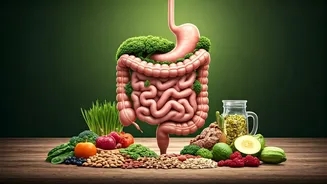
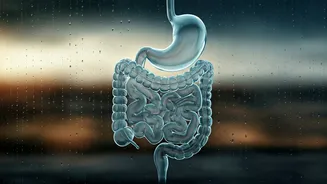
Have you ever felt more bloated or sluggish during the rains? You're not imagining it. Both modern nutrition and ancient Ayurvedic wisdom point to a slowdown in our digestive capabilities during the monsoon. Ayurveda explains this as a weakening of the 'agni' or digestive fire, making it harder for the body to process heavy or raw foods. From a modern scientific perspective, the lack of sunlight and reduced physical activity can contribute to a more sensitive gut. Raw vegetables are high in complex fibres that are difficult for a compromised digestive system to break down, often leading to gas, bloating, and discomfort. Your gut is already working overtime to fend off infections; giving it hard-to-digest raw food adds an unnecessary burden.
The Simple Magic of Cooking
This is where cooking works its simple, effective magic. Applying heat to vegetables does two crucial things. Firstly, it kills most of the harmful bacteria and germs, effectively sterilising your food and making it safe to consume. This single step drastically reduces your risk of contracting a food-borne illness. Secondly, cooking helps break down the complex cellulose and fibre in vegetables. This process, a form of pre-digestion, makes the vegetables softer and much easier for your gut to handle. It also makes many nutrients more bioavailable, meaning your body can absorb vitamins and minerals like beta-carotene (in carrots and pumpkin) and lycopene (in tomatoes) more easily from cooked food than from raw.
Your Go-To Monsoon Vegetable Basket
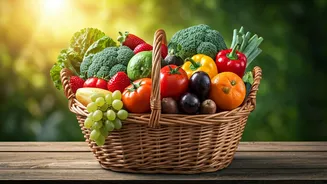
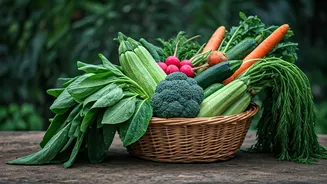
While it's wise to be cautious, you don't have to give up vegetables entirely. Just choose wisely and cook them well. Opt for vegetables that are known to be light and easy on the stomach. Gourds are a fantastic choice during this season. Think lauki (bottle gourd), tori (ridge gourd), parwal (pointed gourd), and kaddu (pumpkin). These vegetables are not only easy to digest but are also hydrating. Other great options include carrots, beans, and sweet potatoes. It's best to limit cruciferous vegetables like cauliflower and cabbage if you are prone to bloating, or ensure they are cooked very well, perhaps in a soup or a well-spiced sabzi.
Smart and Healthy Cooking Methods
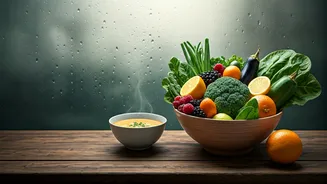
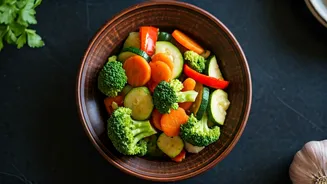
How you cook your vegetables matters just as much as which ones you choose. Heavy, oily, and deep-fried preparations can defeat the purpose of eating light. Instead, embrace cooking methods that preserve nutrients without adding excess fat. Steaming is an excellent option as it keeps vegetables tender and retains most of their vitamins. Making a warm, comforting soup is another brilliant way to get your dose of veggies; it’s hydrating, nourishing, and incredibly easy to digest. Lightly sautéing or stir-frying vegetables with digestive-friendly spices like ginger, turmeric, and cumin can also enhance flavour and aid digestion. The goal is to make your food both safe and soothing for your system.