





A Culinary Renaissance on Your Screen
A delicious shift is underway in India’s metropolitan food scene. Beyond the familiar comfort of mainstream cuisines, a wave of tribal and indigenous flavours is finding its way into urban kitchens and onto delivery apps. For the first time, city dwellers
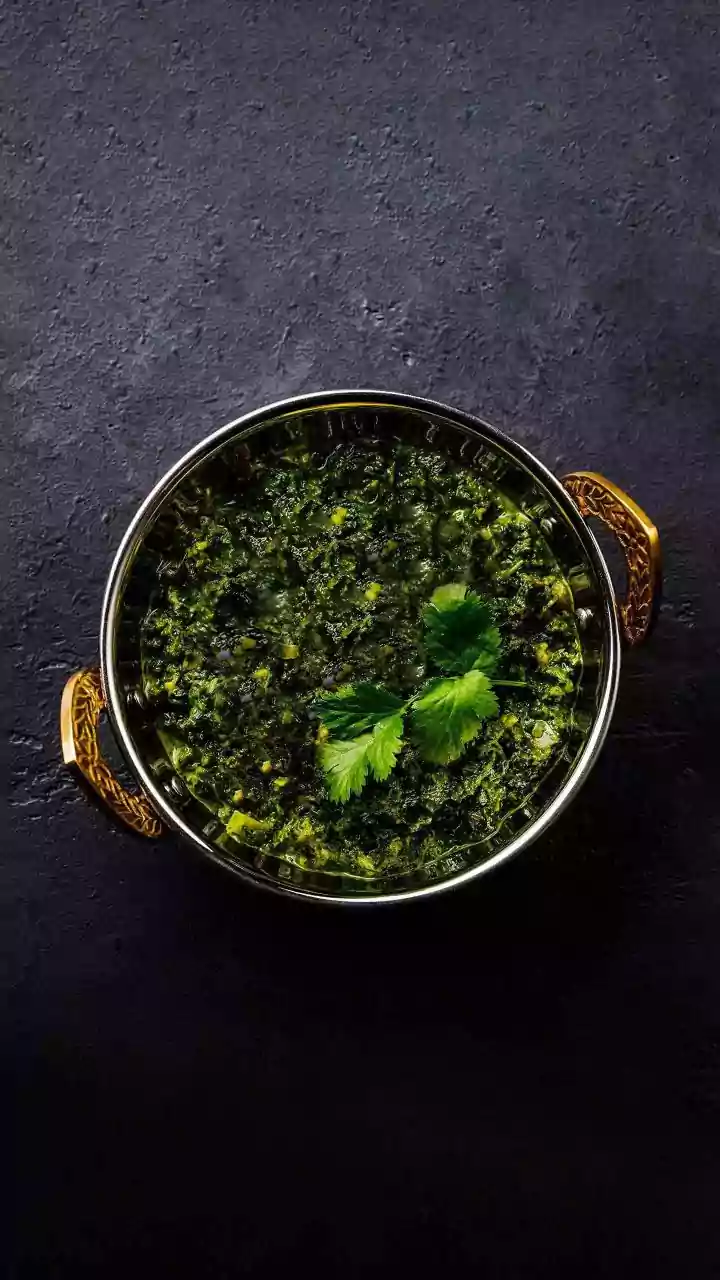
in places like Ranchi, Delhi, and Mumbai can easily sample the distinct culinary heritage of communities like the Oraon, Santhal, and Naga people. This isn't just about new dishes; it's about discovering a food philosophy rooted in nature, seasonality, and tradition. Dishes like smoked pork with bamboo shoots, ragi momos, and gravies made with wild-growing leafy greens and flowers are now just a few taps away, offering a taste of a previously inaccessible part of India's gastronomic identity.
The Power of the Cloud Kitchen Model
This culinary revival is powered by the lean and agile cloud kitchen model. Also known as ghost or virtual kitchens, these are delivery-only establishments with no physical storefront for dine-in customers. This structure drastically reduces the high overhead costs associated with rent and front-of-house staff, which are major barriers for traditional restaurants. For entrepreneurs passionate about niche cuisines, this low-risk, low-capital model is a game-changer. It allows them to launch a business, test the market's appetite for unique flavours, and reach a wide customer base through platforms like Zomato and Swiggy without needing a prime commercial location. This digital-first approach has become the perfect incubator for hyper-regional and tribal foods to thrive in a competitive market.
Pioneers Preserving a Legacy
Behind this trend are passionate entrepreneurs, many from tribal communities themselves, who are on a mission to preserve their heritage. Aruna Tirkey, a member of the Oraon tribe, founded Ajam Emba in Ranchi to revive and popularise the traditional foods she grew up with. Her restaurant, which focuses on ingredients like local snails, wildflowers, and foraged greens, has become a landmark for authentic Jharkhandi cuisine. Similarly, entrepreneurs like Kapil Vinod Toppo of Mandi Eddpa and the team at The Open Field are creating spaces that not only serve indigenous food but also educate a new generation of diners about their origins. These founders are building supply chains with local farmers and meticulously documenting recipes, ensuring that their culinary traditions are passed on.
More Than Just a Meal
Bringing tribal food to the mainstream is about more than just satisfying hunger; it’s a form of cultural ambassadorship. Each dish tells a story of a community's relationship with its land, its history, and its unique way of life. For urban Indians, many of whom may be disconnected from these cultures, it’s an opportunity for discovery and connection. For the tribal communities, it’s a source of pride and a vital economic opportunity. Ventures like these create income streams for local farmers and artisans, validating and sustaining traditional knowledge systems. By making these cuisines visible and accessible, these digital kitchens are challenging a food landscape that has long been dominated by a handful of regional cuisines, fostering a richer and more inclusive culinary identity for the entire country.
What's on the Menu?
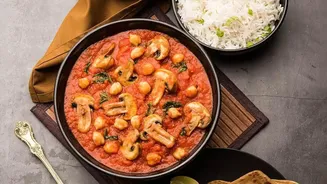
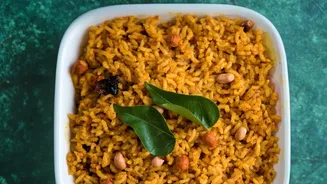
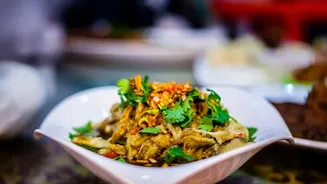
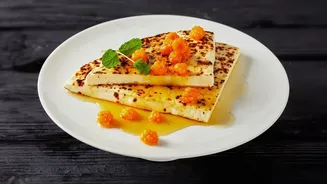
So, what can you expect when you order from one of these kitchens? The flavours are often bold, earthy, and unlike anything in the typical urban palate. Think dishes like Mutton Handi, slow-cooked in an earthen pot, served with Ghum Roti, a thick bread of rice and lentils. You might find Jirhul Phool Chokha, a dish made from edible flowers, or Getu, a type of boneless freshwater fish prepared in a traditional style. From the Northeast, there are smoky meats and pungent fermented ingredients, while Central Indian tribal cuisines feature millets, wild mushrooms, and a variety of greens. Many of these foods are inherently healthy, relying on fresh, foraged ingredients and simple cooking techniques. It's a chance to explore a diet that is both ancient and incredibly relevant to modern wellness trends.