





The digital world, from streaming services to the explosion in artificial intelligence, runs on an immense and rapidly growing amount of power. The International Energy Agency (IEA) has issued a stark warning about the energy appetite of data centres.
The Unseen Engine of the Digital Age
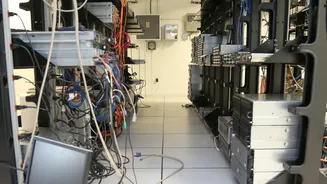
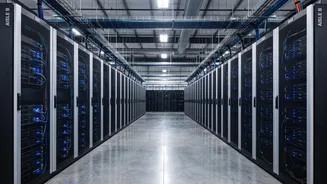
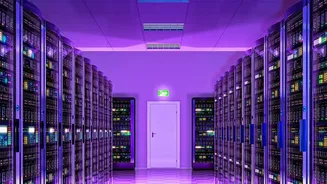
Data centres are the physical heart of our digital lives, housing the servers and storage systems that power everything from cloud computing to e-commerce and AI. But this critical infrastructure comes with a colossal energy footprint. According to the IEA, global electricity consumption from data centres is set to more than double by 2030, potentially reaching 1,000 terawatt-hours—an amount comparable to the entire current electricity consumption of Japan. The primary driver of this staggering increase is the artificial intelligence boom, which requires servers that are far more power-intensive than traditional computing hardware. In fact, electricity demand from AI-focused facilities is projected to grow even faster, putting unprecedented strain on power grids worldwide.
The IEA’s Sobering Assessment
In its latest analysis, the IEA highlighted that this surge in demand presents a dual challenge: meeting the power needs of the tech industry while also adhering to global climate goals. Without a strategic shift, the growth of data centres could lead to a significant increase in carbon emissions, as countries may turn to fossil fuels to quickly add capacity. The agency projects that data centre carbon emissions could rise by 70% by 2030. This is particularly true in major markets like the United States and China, where natural gas and coal could respectively play large roles in powering new AI facilities. The IEA warns that this rapid load growth is already straining grids and equipment supply chains, creating an urgent need for massive investment in our electricity networks to avoid bottlenecks that could stifle digital innovation.
Powering the Future with Green Energy
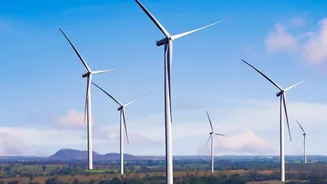
The most crucial pillar of a sustainable solution is a rapid pivot to renewable energy. The IEA notes that half of the global growth in data centre demand through 2035 could be met by renewables, supported by energy storage and a modernised grid. Tech companies are already among the largest corporate buyers of renewable energy, but the scale of the challenge requires an even greater commitment. However, integrating renewables is not a simple plug-and-play solution. The intermittent nature of solar and wind power is a significant hurdle for data centres that require a constant, uninterrupted power supply 24/7 to ensure reliability. This makes robust energy storage systems, like large-scale batteries, essential for balancing supply and demand, though costs remain a challenge.
Beyond Generation: The Grid's Crucial Role
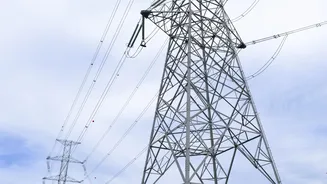
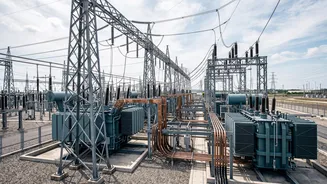
Generating more green power is only half the battle; that electricity must be able to reach the data centres reliably. The IEA stresses that grid efficiency and expansion are critical bottlenecks. In many regions, the existing grid infrastructure lacks the capacity to handle the massive, concentrated loads of new hyperscale data centres. Building new transmission lines is a slow process, often taking 5 to 15 years due to planning and permitting, whereas a new data centre can be built in just 1-3 years. This mismatch creates significant delays. To overcome this, the IEA points to the need for 'smart grids' that use AI and real-time data to manage electricity flow, balance loads, and seamlessly integrate variable renewable sources. Upgrading existing lines and utilising advanced grid management technologies can also unlock more capacity from our current infrastructure, reducing connection times and costs.
The Indian Context
For India, these warnings are particularly resonant. The country is in the midst of a massive digital transformation, with its data centre capacity projected to grow nearly ninefold by 2030. This growth is vital for supporting a burgeoning digital economy and the expansion of AI infrastructure. However, it presents a double-edged sword. India's grid is still heavily reliant on coal, and a massive increase in power demand from data centres risks locking in carbon-heavy growth for decades. Urban hubs like Mumbai, Chennai, and Hyderabad are hotspots for data centre development but are already facing grid pressure. The IEA's call for renewable integration and grid efficiency is therefore not just a global recommendation but a direct and urgent challenge for India to balance its digital ambitions with its climate commitments. Proactive policymaking and investment in green energy infrastructure will be essential.