
Never Underestimate the Weather
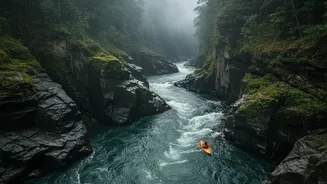
Meghalaya is famous for receiving some of the highest rainfall on Earth, and this weather is notoriously unpredictable. A calm morning can turn into a raging afternoon storm, causing river levels to rise dramatically and without warning. This can lead
to flash floods, one of the greatest dangers in canyon environments. Before even thinking about putting your kayak in the water, you must get a reliable, local weather forecast. Check multiple sources and talk to people on the ground. If there is any doubt about heavy rain, cancel your trip. The river will be there another day.
Partner with a Knowledgeable Local Guide
The rivers of Meghalaya, like the Kynshi and Umngot, are complex systems with rapids that can range from Class III to V and beyond, especially when swollen. International grading systems provide a guide, but local knowledge is irreplaceable. A seasoned local guide understands the river’s personality, knows the hidden hazards like undercuts and sieves, and can interpret signs of a sudden change in water flow that an outsider might miss. They are familiar with safe entry and exit points and have established communication with nearby villages in case of an emergency. For serious whitewater, particularly in remote canyons, hiring a guide is not a recommendation; it is a necessity.
Wear Appropriate and Professional-Grade Gear
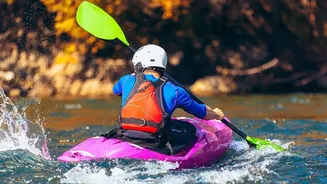
Your equipment is your first line of defence. This is non-negotiable. Always wear a properly fitted Personal Flotation Device (PFD) and a helmet designed for whitewater kayaking. These two items are critical for survival during a capsize in turbulent water. Beyond that, your gear should include a spray skirt to keep your kayak from filling with water, appropriate thermal wear to protect against cold water, and sturdy river shoes. Carry a throw rope and know how to use it for swiftwater rescue. A river knife and a whistle attached to your PFD are essential communication and emergency tools. Check all your gear for wear and tear before every trip.
Scout Every Significant Rapid
The rule for advanced kayakers is simple: scout before you paddle. When a river is swollen, its character changes completely. Familiar rapids can become more powerful and new, dangerous features like large holes or 'stoppers' can form. Before committing to a section of whitewater you cannot see clearly, get out of your boat and scout it from the bank. This allows you to identify the safest line, spot potential hazards, and decide if the rapid is within your skill level to run. If a rapid looks too dangerous or you feel uncertain, there is no shame in portaging—carrying your boat around the obstacle.
Never Paddle Alone and Maintain Communication
Paddling in a group is a fundamental safety rule in whitewater kayaking. This is especially true in the remote and challenging canyons of Meghalaya. Your paddling partners are your immediate rescue team. Ensure everyone in the group is aware of the plan, including the route and estimated timings. Establish a clear system of hand and whistle signals for on-river communication, as the roar of a swollen river can make shouting useless. Before you leave, always share a detailed 'float plan' with someone on land, outlining your route, who is with you, and your expected return time.
Know Your Limits and Be Honest About Them
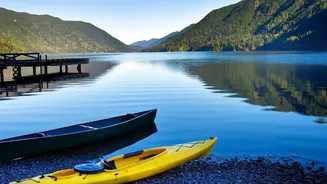
Meghalaya's rivers demand respect. It is crucial to be honest about your own skills and experience level. Swollen rivers with powerful currents and technical rapids are environments for advanced and expert paddlers. If you are a novice or intermediate kayaker, stick to calmer sections or lakes like Umiam, which offer beautiful scenery without the extreme risks. Pushing beyond your abilities in such a high-consequence environment endangers not only yourself but your entire group. Making the smart decision to sit out a run that is beyond your skill set is a sign of an experienced and mature paddler.