




An Enduring Comfort Classic
There's a science to our love for comfort food. Foods high in sugar and fat can trigger the release of feel-good chemicals like dopamine and serotonin in our brains. [16] Chocolate, in particular, has a strong effect on mood, often increasing pleasant
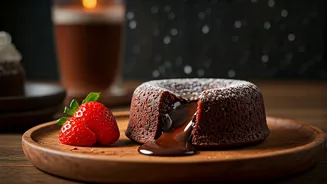
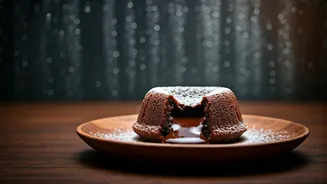
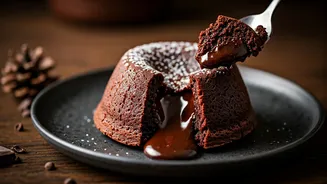
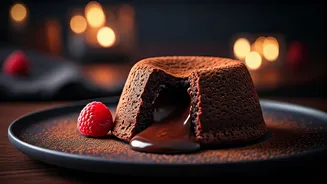
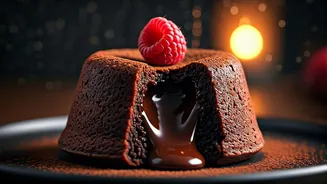
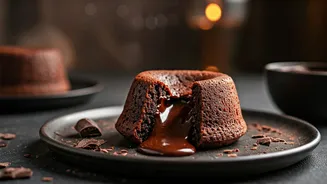
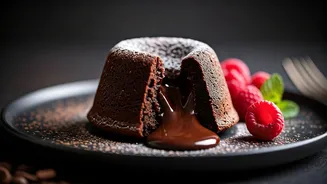
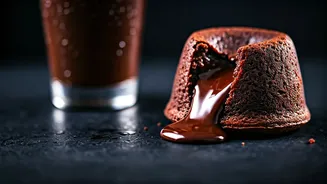
feelings and reducing tension. [9, 19] This is why we often reach for it during times of stress or celebration. The warm, rich, and deeply chocolatey nature of a lava cake makes it the quintessential comfort dessert, combining the textural pleasure of a soft cake with a decadent, flowing centre. [12] It’s a dessert that feels both luxurious and deeply comforting, a combination that has made it a global favourite since it rose to fame in the 1990s. [8, 13]
A Tale of Two Kitchens
The origin of the molten chocolate cake is a delicious debate. One story credits French chef Michel Bras, who says he perfected the dessert in 1981 after being inspired by his family drinking hot chocolate after a skiing trip. [4, 8] His method was technical, involving a frozen ganache core placed inside a cake batter to create the molten effect. [8] The other claim comes from celebrated French chef Jean-Georges Vongerichten, who says he accidentally invented the dish in New York City in 1987. [4] He recalled pulling a chocolate sponge cake from the oven too early, only to find its runny, warm centre was a delicious mistake. [4, 8] Vongerichten's simpler method—a batter baked at high heat for a short time—proved easier to replicate and is largely credited with popularizing the dessert across the world. [4]
The Science of the Perfect Ooze
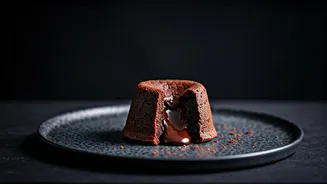
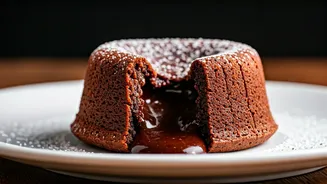
The magic of a lava cake lies in physics and chemistry. The process relies on heat diffusion—how heat travels from the outside of the cake to the inside. [7, 17] By baking the cake in a very hot oven, the outer edges cook and set quickly. [6, 7] The cake solidifies from the outside in. [7] However, the key is to pull the cake from the oven at the precise moment before the centre has a chance to fully cook and solidify. [7, 22] This precise timing, usually between 10 to 14 minutes, halts the cooking process, leaving the core wonderfully liquid while the exterior remains perfectly structured. [2, 17] The high ratio of chocolate and fat to a small amount of flour is also crucial, ensuring the centre stays rich and fluid. [6, 12]
Your Blueprint for At-Home Perfection
Creating this restaurant-style dessert at home is surprisingly achievable with a few key tips. First, use high-quality chocolate, preferably a baking bar with 60-70% cocoa solids, as chocolate chips contain stabilizers that prevent a smooth melt. [1, 5, 10] Second, properly prepare your ramekins by greasing them well and dusting with cocoa powder to ensure the cakes release easily. [2] The batter itself is simple, often just six ingredients: chocolate, butter, eggs, sugar, a little flour, and salt. [1, 2] The extra egg yolks in many recipes add richness and help create a creamy texture. [6] Don't overmix the batter, and most importantly, keep a close eye on the baking time. The edges should look firm, but the centre should still have a slight jiggle. [6, 10] Let them cool for just a minute or two before inverting onto a plate. [2]
Beyond the Classic
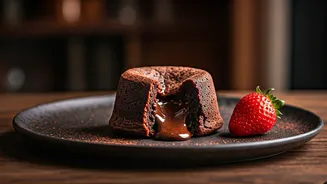
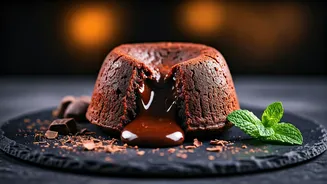
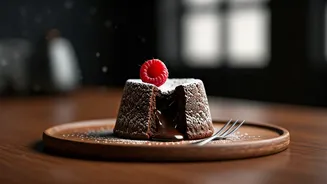
While the classic chocolate lava cake is a masterpiece on its own, it’s also a wonderful canvas for creativity. You can infuse the batter with a pinch of chilli powder for a touch of heat, or add a dash of espresso powder to intensify the chocolate flavour. [20] Another popular variation is to place a surprise in the centre before baking, such as a spoonful of salted caramel, peanut butter, or raspberry jam. [15, 23, 24] When it comes to serving, the possibilities are endless. A scoop of vanilla ice cream is the classic pairing, providing a delightful contrast of hot and cold. [2, 24] Fresh berries, a dusting of powdered sugar, or a drizzle of caramel sauce can also elevate the dessert to new heights. [2, 24]