


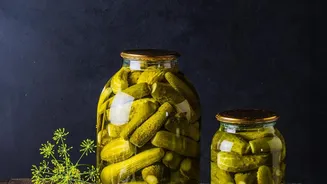
From Kitchen Scrap to Pantry Gold
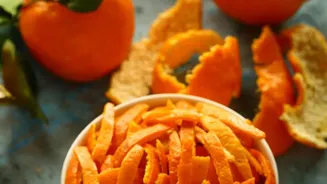
In the quest for a more sustainable, zero-waste kitchen, citrus peels are an unsung hero. We often toss them without a second thought, but these rinds are packed with flavour, aromatic oils, and beneficial compounds. Transforming them into preserves is
a simple, satisfying act of culinary alchemy that not only saves food from the bin but also rewards you with a versatile and vibrant condiment. This process isn't just about being frugal; it's about seeing potential in every part of an ingredient and creating something genuinely special from what is typically considered trash. Whether you're using the remnants from your morning juice or weekend cocktails, saving your peels is the first step toward a more resourceful and flavourful kitchen.
What Are Tangy Gut Preserves?
The term 'gut preserves' refers to foods that can help support a healthy digestive system. When it comes to citrus rinds, this benefit comes from two main sources: fermentation and fibre. By lacto-fermenting the peels in a salt brine, you encourage the growth of beneficial probiotic bacteria. These are the 'good' microbes that contribute to a healthy gut microbiome. Additionally, citrus peels are naturally rich in pectin, a type of soluble fibre. Pectin acts as a prebiotic, which means it serves as food for the good bacteria already living in your gut, helping them thrive. So, these tangy preserves are not just a treat for your taste buds, but a way to introduce gut-friendly elements into your diet.
The Essential Fermented Rind Recipe
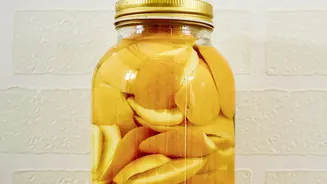
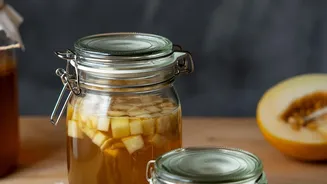
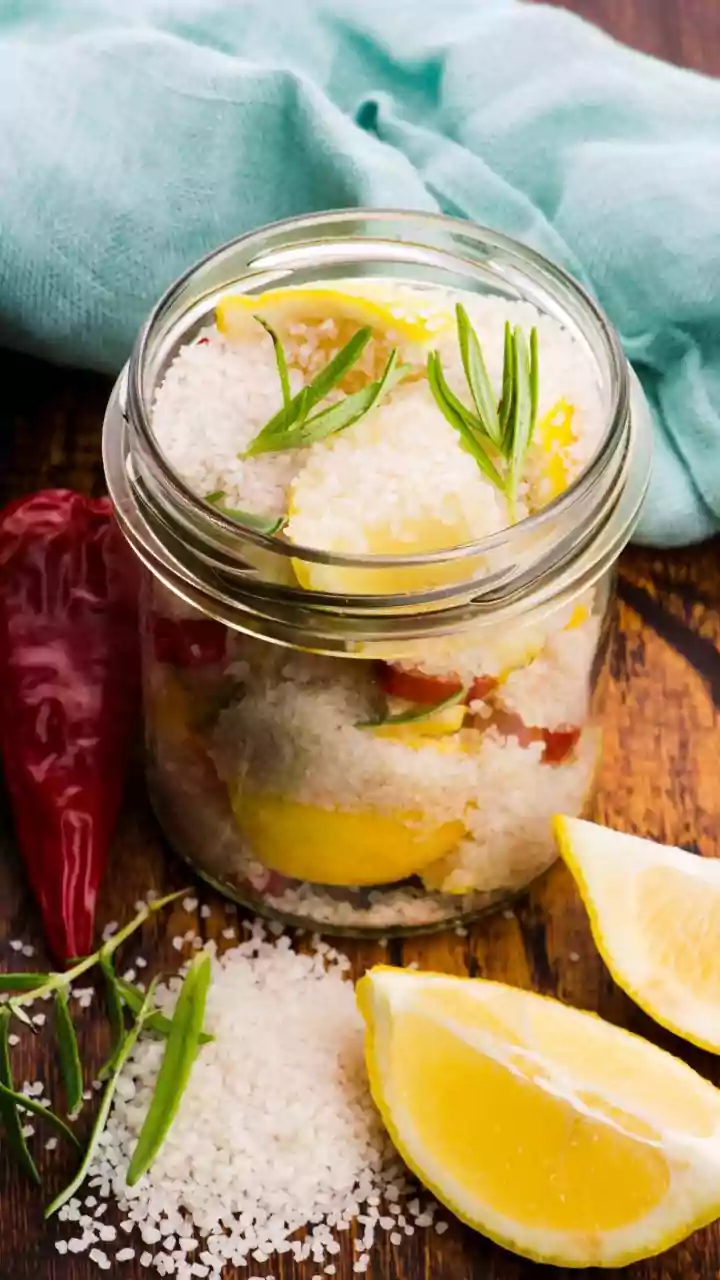
This recipe uses lacto-fermentation to create a tangy, complex flavour. You can use peels from lemons, oranges, limes, or grapefruit. For best results, use organic, unwaxed citrus, but if that's not possible, scrub the fruit well in warm, soapy water before you begin. Ingredients: - Peels from 8-10 organic citrus fruits - Non-iodized sea salt or kosher salt (about 2-3% of the peel's weight) - A clean glass jar with a tight-fitting lid - Filtered water (chlorine-free) Instructions: 1. Prepare the Peels: Scrape away as much of the bitter white pith from the inside of the peels as possible. Chop the peels into small, uniform pieces to increase the surface area for fermentation. 2. Weigh and Salt: Place the chopped peels in a bowl and weigh them. Calculate 2% of that weight for the salt. For example, for 200g of peels, you would use 4g of salt. Toss the peels with the salt until they are evenly coated. Pack them tightly into your sanitized glass jar. 3. Create the Brine: Press the peels down firmly to release their natural juices. If the liquid doesn't cover the peels completely, top it off with a bit of filtered water. It's crucial that all the peels stay submerged to prevent mould. You can use a fermentation weight or a small, clean object to keep them down. 4. Ferment: Seal the jar loosely and place it in a cool, dark place for one to two weeks. You'll need to 'burp' the jar daily by opening the lid briefly to release the gases that build up during fermentation. After a week, start tasting. When it reaches a tanginess you enjoy, tighten the lid and move it to the refrigerator, where it will keep for months.
The Pectin Power Explained
Beyond the probiotics from fermentation, the star player in citrus peel is pectin. This soluble fibre is what commercial jam-makers use as a gelling agent, but in your gut, it plays a different role. As a prebiotic, pectin travels through your digestive system until it reaches the colon, where it becomes a food source for beneficial bacteria. This process helps increase the population of good microbes and leads to the production of short-chain fatty acids (SCFAs), which are compounds that help nourish the cells lining your intestine and reduce inflammation. While you can get pectin from supplements, consuming it through whole-food sources like these preserves is a delicious and natural way to support your digestive wellness.
How to Use Your Tangy Preserves
Your preserved citrus rinds are an incredibly versatile condiment, ready to add a punch of salty, tangy, umami flavour to countless dishes. The intense taste means a little goes a long way. Finely chop a small amount and toss it into grain salads like quinoa or farro for a bright kick. Whizz it into salad dressings, marinades, or dips like hummus and guacamole. It pairs beautifully with roasted vegetables, chicken, and fish. You can also stir it into stews, tagines, or lentil soups to add a layer of complexity. For a simple treat, try it on avocado toast or mixed into yoghurt with a drizzle of olive oil. Once you start using them, you'll find endless ways to incorporate their unique flavour into your everyday cooking.