




The Scale of the Problem
The numbers are staggering. India wastes approximately 68 to 78 million tonnes of food annually, making it one of the world's largest contributors in terms of sheer volume. This wastage has an estimated economic cost of over ₹92,000 crore each year. Beyond
the financial loss, this represents a tremendous environmental burden. Wasted food decomposing in landfills releases methane, a potent greenhouse gas that contributes significantly to climate change. Shockingly, household waste is a massive part of this problem, with some reports indicating that it accounts for the majority of discarded food. This highlights a powerful truth: individual actions, when multiplied across the nation, can lead to monumental change.
Plan, Then Shop
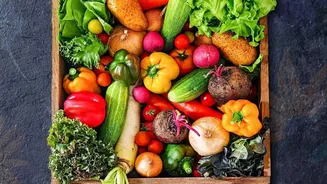
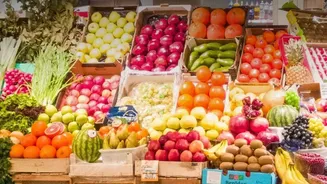
The single most effective way to cut down on waste is to prevent it at the source. Before you even head to the store or your local vegetable vendor, take a moment to plan your meals for the week. Check your pantry and fridge to see what you already have. Make a detailed shopping list based on your meal plan and, most importantly, stick to it. This simple discipline prevents impulse buys and stops you from purchasing ingredients you 'might' use but often end up throwing away. This habit not only reduces waste but can also save a significant amount of money on groceries annually.
Master Smart Storage
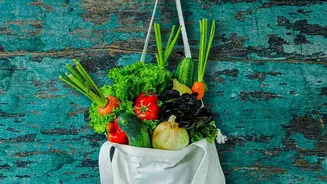
How you store your food is just as important as how you buy it. Many fruits and vegetables spoil prematurely due to improper storage. Learn the basics: keep onions and potatoes in a cool, dark, and dry place, not in the refrigerator. Store leafy greens like spinach and coriander in airtight containers to keep them fresh. Embrace the 'First In, First Out' (FIFO) rule: when you buy new items, move the older ones to the front of the fridge or pantry so you use them first. This prevents food from getting lost at the back and expiring before you get a chance to use it.
Get Creative with Leftovers
In Indian cooking, leftovers are an opportunity, not a problem. Yesterday's dal can be thickened and used as a paratha stuffing. Extra rice can be transformed into a delicious lemon rice or fried rice for the next day's lunch. Don't let small portions of 'sabzi' languish in the fridge; combine them to make a mixed vegetable dish or a filling for a sandwich. Freezing is also a fantastic option for preserving curries, dals, and even cooked rice if you know you won't get to them in a day or two.
Use the Whole Vegetable
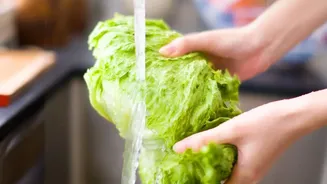
We've often been conditioned to discard parts of vegetables that are perfectly edible and nutritious. Cauliflower stems and leaves, for example, can be chopped and added to your sabzi or dal. The peels of vegetables like carrots and cucumbers can be left on after a good wash, retaining more fibre. Tougher stems from herbs like coriander can be finely chopped and used for flavour, or the entire bunch can be blended into a chutney. This nose-to-tail approach to vegetables not only cuts down on waste but also maximizes the nutritional value you get from your produce.
Rethink Your Serving Sizes
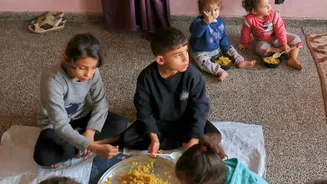
Over-serving is a common habit, especially when hosting guests, but it often leads to significant waste. Start by serving smaller portions on plates. It's always better for someone to take a second helping if they are still hungry than to leave a large amount of food uneaten. This is especially true for rice and rotis. Being mindful of portion control doesn't mean being stingy; it means being respectful of the food and the resources that went into producing it.