




Bananas: The Energy Powerhouse
There’s a reason bananas are a staple in lunch boxes and gym bags across the country. They are consistently one of the most affordable fruits per pound, making them an undisputed budget champion. Beyond their price, bananas are a fantastic source of potassium,
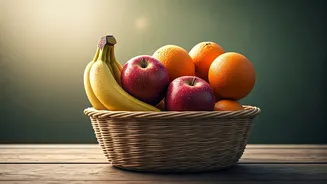
an essential mineral for maintaining healthy blood pressure and heart function. They also provide a quick source of natural energy from carbohydrates, making them a perfect pre-workout snack or a way to fight an afternoon slump. Their natural packaging makes them the ultimate grab-and-go food, and their creamy texture works wonders in smoothies, oatmeal, or as a base for healthy “nice cream.”
Apples: A Crisp, Everyday Staple
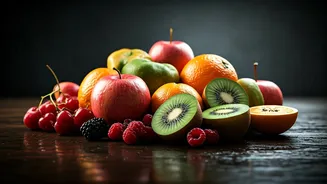
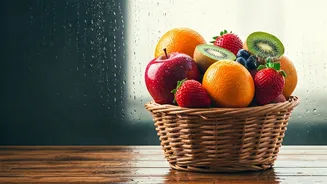
An apple a day might not literally keep the doctor away, but incorporating them into your diet is a smart move for your health and your wallet. Available year-round and in dozens of varieties, from tart Granny Smiths to sweet Fujis, apples offer a satisfying crunch and a healthy dose of fiber. Much of that fiber is soluble pectin, which can help lower cholesterol and promote a feeling of fullness, aiding in weight management. A huge advantage of apples is their impressive shelf life. Stored properly in the refrigerator, they can last for weeks, significantly reducing food waste compared to more delicate fruits.
Oranges: The Vitamin C Classic
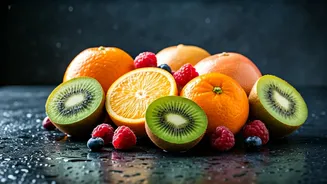
When you think of Vitamin C, you probably think of oranges—and for good reason. A single medium-sized orange can provide a significant portion of your daily recommended intake, which is crucial for immune function and skin health. But their benefits don't stop there. Oranges are also packed with water, helping you stay hydrated, and they contain beneficial plant compounds like flavonoids that have antioxidant properties. Buying them in a bag is almost always more cost-effective than purchasing them individually, making it easy to stock up on this juicy, refreshing fruit without straining your budget.
Cantaloupe: Bulk Nutrition and Hydration
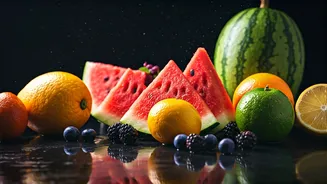
Don't overlook the humble cantaloupe. When you consider its price per pound, this melon offers incredible value. A single cantaloupe yields a large quantity of fruit, making it perfect for feeding a family or for meal-prepping fruit salads and snacks for the week. It’s an excellent source of both Vitamin A and Vitamin C, two powerful antioxidants that support vision, skin health, and your immune system. With a water content of about 90%, it’s also an incredibly hydrating food—perfect for warm weather or after a workout. Its sweet, mild flavor makes it a crowd-pleaser for all ages.
Pears: The Fibrous Friend
Often living in the apple's shadow, pears are a fantastic and affordable fruit worth adding to your rotation. They are one of the best fruit sources of fiber, with a single medium-sized pear providing a substantial amount of your daily needs. This fiber is vital for digestive health and helps stabilize blood sugar levels. Pears also contain essential nutrients like vitamin C, vitamin K, and potassium. Varieties like Bartlett and Anjou are widely available and typically well-priced. They are versatile, too—delicious eaten fresh, sliced into salads, or even baked into a healthy dessert.
The Frozen Aisle: A Year-Round Hack
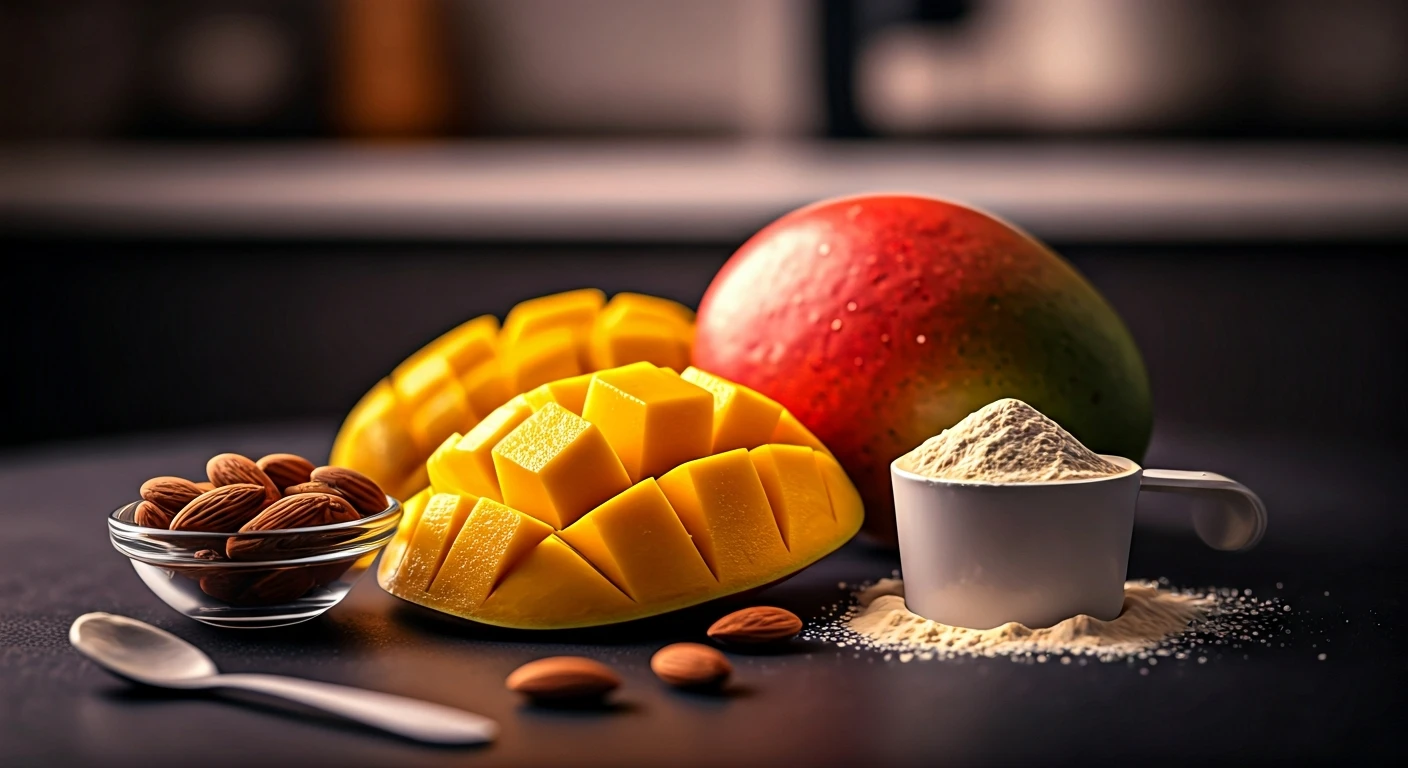
This isn't a single fruit, but a category that every budget-conscious, healthy eater should embrace. Frozen fruits, especially berries, peaches, and mangoes, are a nutritional and financial game-changer. They are picked at their peak ripeness and flash-frozen, a process that locks in their vitamins and antioxidants. This means that frozen strawberries in December can be just as, if not more, nutritious than their fresh, out-of-season counterparts. Furthermore, they are often cheaper than fresh, and you never have to worry about them going bad in your fridge, eliminating food waste. They are perfect for smoothies, stirring into yogurt, or simmering into a simple sauce for pancakes or oatmeal.