


The Allure of Authenticity
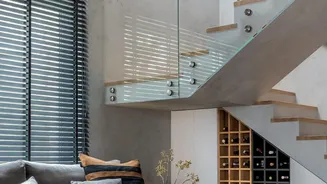
In a world saturated with mass-produced perfection, there's a growing desire for objects and spaces that feel real and carry a story. This is the core of the natural textures trend. It's a move away from synthetic, sterile environments towards homes that are
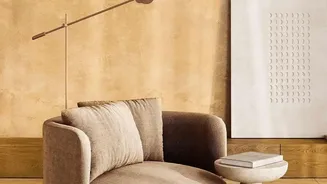
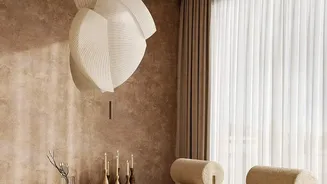
tactile, sensory, and deeply personal. Materials like raw wood, unfinished stone, and handwoven fabrics bring character and a sense of history into our living spaces. The Japanese philosophy of Wabi-Sabi, which finds beauty in imperfection and authenticity, resonates strongly with this shift. It encourages celebrating the knots in wood, the irregularities in handmade pottery, and the wrinkles in linen, creating spaces that feel lived-in and soulful.
Key Textures Making a Comeback
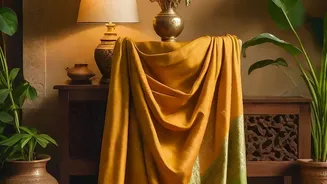
This trend is bringing a host of beautiful, earthy materials back into the spotlight. Rattan and cane, once reminiscent of old verandas, are now being used in chic, modern furniture like headboards, accent chairs, and cabinets. Jute is no longer just for doormats; it's appearing in stylish rugs, baskets, and even lighting fixtures that add a rustic, warm glow. Terracotta, or 'baked earth', is another hero material, making a strong comeback in the form of floor tiles, planters, and decorative accents that offer a connection to traditional Indian craftsmanship. These are complemented by natural fabrics like handwoven cotton, khadi, and raw silk, which add layers of softness and depth.
A Shift Towards Wellness and Nature
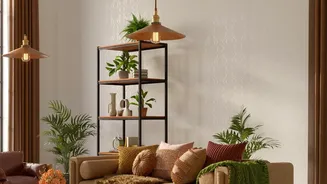
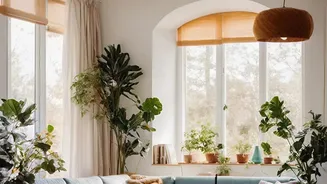
The timing of this trend is no coincidence. After spending more time indoors in recent years, many of us are seeking a stronger connection to the natural world. This has fuelled the rise of 'biophilic design', an approach that integrates natural elements into our homes to improve well-being. Using natural materials is a key part of this philosophy. Studies have shown that being surrounded by natural textures and forms can reduce stress and create a calmer, more restorative environment. A home filled with wood, stone, and plants doesn't just look good; it can make us feel better, transforming our living spaces into personal sanctuaries.
Rooted in Tradition, Reimagined for Today
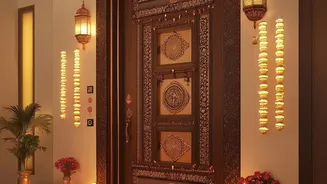
What makes this trend particularly special in India is its deep connection to our own heritage. Materials like terracotta, cane, and handloom fabrics have been part of Indian homes for centuries. Today, designers and artisans are reimagining these traditional materials for the modern home. A classic charpai might inspire a sleek woven bench, while traditional block-printing techniques are used on contemporary cushion covers. This blend of old and new allows homeowners to connect with their cultural roots while creating a space that feels fresh and current. It's a celebration of Indian craftsmanship, supporting local artisans who have mastered these materials over generations.
Beyond Aesthetics: The Sustainability Angle
Choosing natural textures is often a more sustainable choice. Materials like bamboo, jute, rattan, and reclaimed wood are renewable and biodegradable, reducing the environmental impact of our decor choices. This move away from 'fast furniture' and synthetic materials towards durable, long-lasting pieces reflects a growing consumer consciousness. By opting for handcrafted items from local artisans, homeowners are not only acquiring unique, high-quality products but also supporting ethical production and reducing their carbon footprint. It’s a way of decorating that aligns with a more mindful and responsible way of living.