





The 'Eat With Your Eyes' Economy
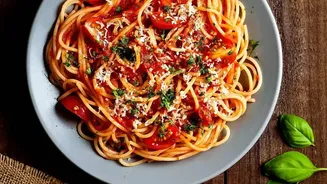
In today's digital age, dishes are designed not just for the palate, but for the platform. The concept of “camera-friendly” or “Instagrammable” food is built on visual appeal. Think vibrant, contrasting colours, unique textures, and creative plating that
stands out on a small screen. Elements like height (stacked pancakes), interactive features (a melting chocolate dome), or novelty (rainbow-coloured bagels) are engineered to be eye-catching and shareable. This visual feast acts as powerful, free advertising for restaurants, as almost half of diners report visiting a restaurant for the first time after seeing it on their social feeds. It's a world where the visual quality of a photo is subconsciously linked to the perceived taste and quality of the meal.
Designing the Perfect Shot
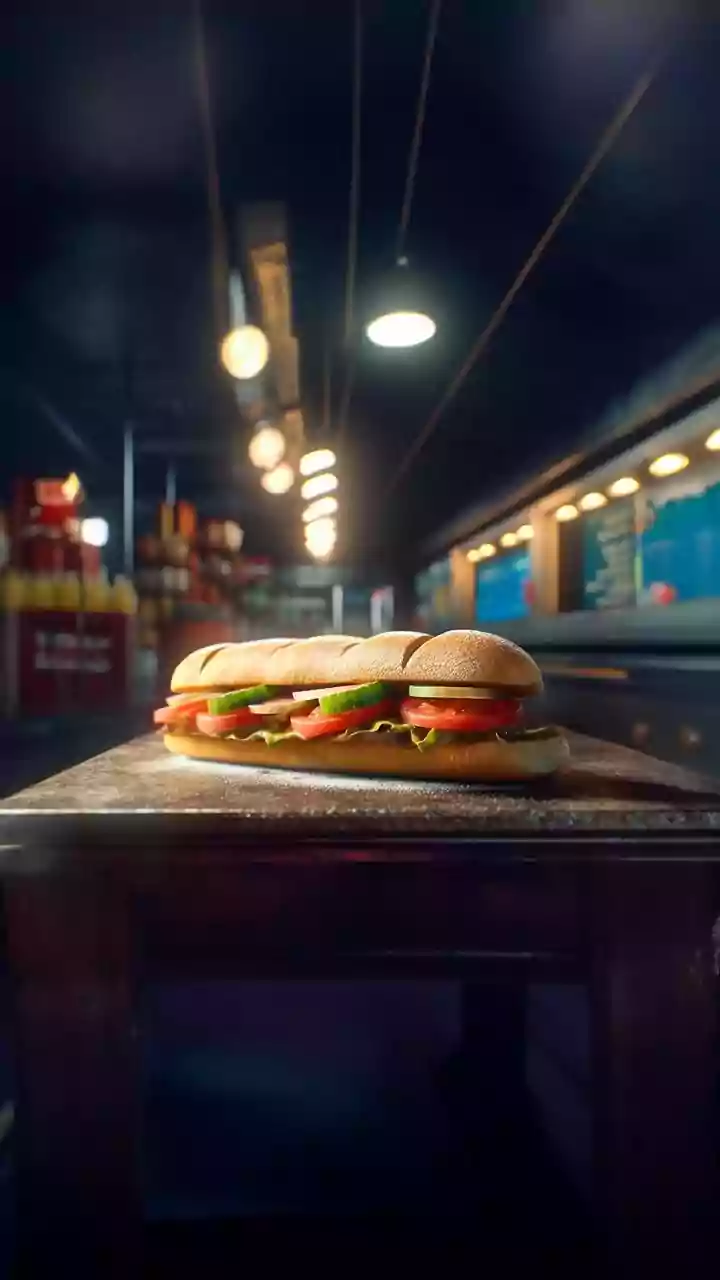
The transformation extends far beyond the plate. Restaurants are now meticulously designing their interiors to serve as the perfect backdrop for user-generated content. This includes investing in optimal lighting, as harsh or dim lights can make food look unappetizing. Many establishments now feature specific “Instagrammable” spots, such as neon signs, unique wallpaper, or beautifully tiled floors, encouraging patrons to snap and share. The goal is to create an entire aesthetic experience that a diner would want to capture and post. Some restaurateurs have become so focused on their social media presence that they prioritize it over a traditional website.
The Chef's Double-Edged Sword
For chefs, this trend is both a creative opportunity and a potential constraint. On one hand, it pushes them to think more visually about presentation, turning dishes into works of art. On the other, there's a growing concern that the pressure to create visually stunning food can come at the expense of flavour and substance. Some chefs express frustration with the behaviour, noting it can disrupt the dining experience for others and that a photo cannot capture the true essence and flavour of a dish. There are even instances where a venue becomes famous for its photogenic meals, only for customers to find the taste underwhelming. This has led to a debate within the culinary world about maintaining authenticity in an era dominated by digital performance.
Beyond the Pretty Plate
While visually striking food drives engagement, some research suggests a surprising twist: consumers on social media are often more likely to engage with food that appears familiar and typical. In the fast-scrolling world of social media, easily recognizable dishes may evoke more positive feelings than overly obscure or unique creations. Furthermore, the trend isn't without its downsides for diners. The habit of photographing every meal can sometimes lead to impolite behaviour, disrupting the ambience for others and detracting from the social connection at the table. The constant performance of one's meals can also create a sense of pressure, shifting the focus from enjoyment to documentation.